
UK MPs Hear Gut Bacteria Toxin May Explain Surge in Young Bowel Cancer
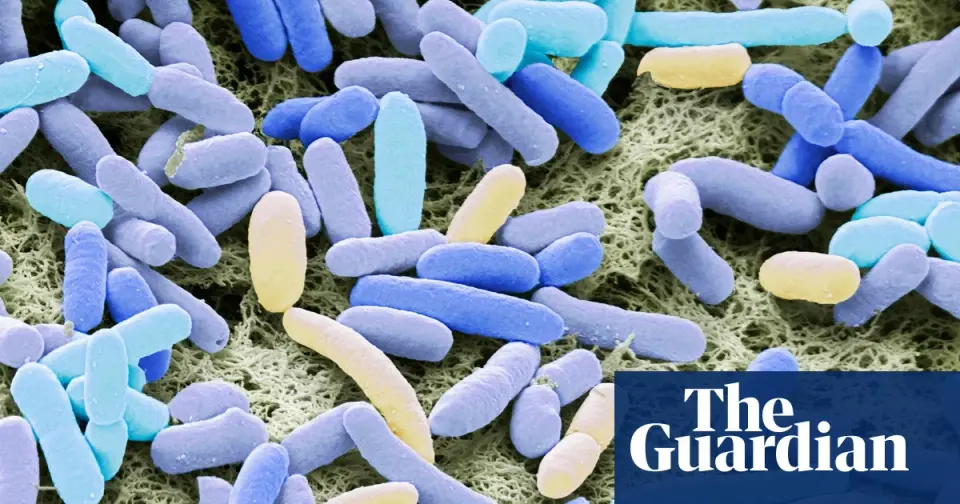
UK lawmakers heard that a bacterial toxin called colibactin, produced by certain E. coli strains, is the leading suspect for the doubling of bowel cancer cases in people under 50. While obesity and lifestyle factors explain only half of these cases, new research suggests early-life exposure to this toxin may cause DNA mutations that accelerate cancer development decades later.
Key points
- Dr. Karl Smith-Byrne of the University of Oxford testified to the UK Commons science and technology committee that colibactin is the 'leading explanation' for rising early-onset bowel cancer.
- A 2025 study found that hallmark mutations caused by colibactin are 3.3 times more common in patients diagnosed under 40 than in those over 70.
- Prof. Mike Stratton of the Sanger Institute noted that affected children can accumulate a 'mutational burden' similar to that of a 50-year-old by age 10.
- A new BMJ Oncology study confirms that while rising body weight is a major factor, it does not fully explain the cancer surge, as incidence continues to rise even in non-obese young adults.
- Colibactin-producing E. coli strains appear to be more prevalent in people born after 1960, suggesting a recent evolutionary shift in gut bacteria.
Background
Bowel cancer has become the second leading cause of cancer death in the US, with incidence rates nearly doubling for those under 50 in recent years. While rates for older adults have declined, the surge in younger patients has prompted experts to investigate non-traditional risk factors beyond diet and exercise.
How outlets are covering it
The Guardian and New York Post emphasize the testimony of Dr. Karl Smith-Byrne, highlighting colibactin as the primary unknown driver. The Scientist provides a broader epidemiological view, noting that while obesity is the strongest known risk factor, it fails to explain the full scope of the rise, particularly in non-obese individuals. Bioengineer.org adds a clinical dimension, reporting that colibactin-producing bacteria remain persistently present in the gut of diagnosed patients, suggesting a long-term role in disease progression rather than just initial exposure.
Why it matters
Identifying colibactin as a potential driver could shift prevention strategies toward early-life interventions and microbiome management. If confirmed, this could lead to new screening methods for high-risk individuals and explain why standard lifestyle advice has not halted the rise in young-onset cases.
What to watch
Researchers are actively investigating whether colibactin directly drives cancer development and how the persistence of these bacteria in the gut influences tumor progression. Public health experts are urging a focus on known preventable risks, such as obesity, while the scientific community seeks to understand the role of early-life microbial exposures.
- Bacterial toxin produced by E coli leading suspect in rise in bowel cancer among under-50s The Guardian
- Childhood stomach bug toxin is ‘leading explanation’ for rise in early-onset colorectal cancer: expert New York Post
- Why Bowel Cancer Is Rising in Young Adults The Scientist
- Metagenomic Study Links Colibactin-Producing E. coli to Persistent Colorectal Cancer Colonization Bioengineer.org
- E. Coli Toxin Linked To Bowel Cancer Among Under-50s: Top UK Scientists Raise Alarm Over Food Poisoning Bug Health and Me
Want the full story? Read the original reporting
Read on The Guardian