
Rabies outbreak forces partial closure of Maryland state park after two beaver attacks
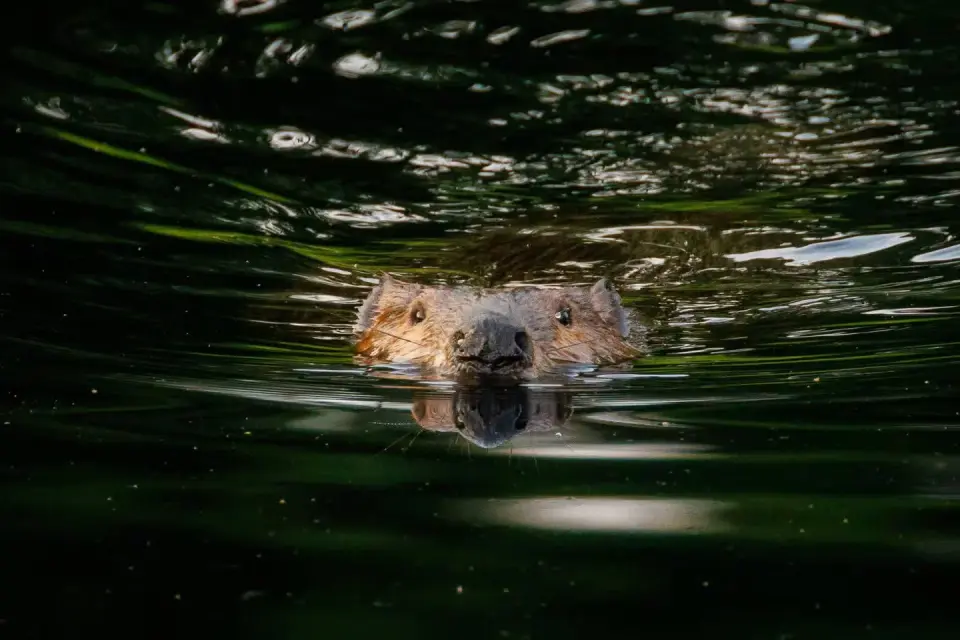
Cunningham Falls State Park in Frederick County, Maryland, has partially closed its water areas after two visitors were bitten by rabid beavers within two weeks. A 13-year-old boy was attacked on July 26, and a 19-year-old man was bitten on August 5. Both beavers were euthanized and confirmed to have rabies. Authorities are conducting surveillance to ensure the park is safe before reopening swimming, fishing, and boating areas.
Key points
- Two beavers at Cunningham Falls State Park were confirmed rabid after attacking a 13-year-old swimmer on July 26 and a 19-year-old fisherman on August 5.
- The Maryland Department of Natural Resources closed the Houck Day Use Area, boat ramp, and Big Hunting Creek above Hunting Creek Lake, prohibiting all water access.
- The park’s campground remains open, but officials are conducting daytime and nighttime surveillance to remove any remaining beavers.
- The Frederick County Health Department is urging anyone who may have contacted a beaver at the park to seek medical attention.
- Beaver attacks on humans are rare in Maryland, with the last recorded incidents occurring in 2021 and 2015.
Background
This incident follows a series of earlier reports in our archive detailing the initial July 26 attack, which led to the closure of the swimming beach and the euthanization of a rabid beaver. Subsequent updates confirmed the second attack on August 5 and the expansion of park closures. The current situation reflects the ongoing response to a potential rabies outbreak among the local beaver population.
How outlets are covering it
The Washington Post and ABC News emphasize the rarity of beaver attacks and the immediate public health response, including the euthanization of the animals and the confirmation of rabies. WTOP highlights the specific medical treatment of the victims and the ongoing surveillance efforts, including the use of a 'Beavercam.' The Maryland Department of Natural Resources (DNR) focuses on the official closures, the investigation into a possible rabies outbreak, and the safety measures being implemented, such as dismantling a beaver lodge and increasing surveillance. All sources agree on the core facts of the attacks and the subsequent closures, but differ in their emphasis on the medical, investigative, and public safety aspects of the incident.
Why it matters
This incident highlights the importance of public health measures and wildlife management in preventing the spread of rabies. It also underscores the need for visitors to state parks to be aware of potential risks and to follow safety guidelines, such as maintaining a safe distance from wildlife. The partial closure of Cunningham Falls State Park, which attracts over 575,000 visitors annually, has significant implications for local tourism and public safety.
What to watch
The Maryland Department of Natural Resources will continue to monitor the park for additional beavers and will provide further updates on the park's status. The Frederick County Health Department is expected to receive test results for the second beaver later this week. Authorities will likely reopen the closed areas once the park is confirmed safe for visitors.
- Maryland state park partially closed after rabid beavers attack visitors The Washington Post
- 2nd beaver tests positive for rabies in Maryland state park WTOP
- Biting rabid beavers prompt partial closure of popular Maryland park ABC News - Breaking News, Latest News and Videos
- DNR Closes Additional Areas of Cunningham Falls State Park Following Second Beaver Attack Maryland.gov
- Second beaver attack reported at Western Maryland state park raises rabies concerns The Baltimore Banner
Want the full story? Read the original reporting
Read on The Washington Post