
Silicon Valley startup Herasight launches embryo screening for autism and schizophrenia
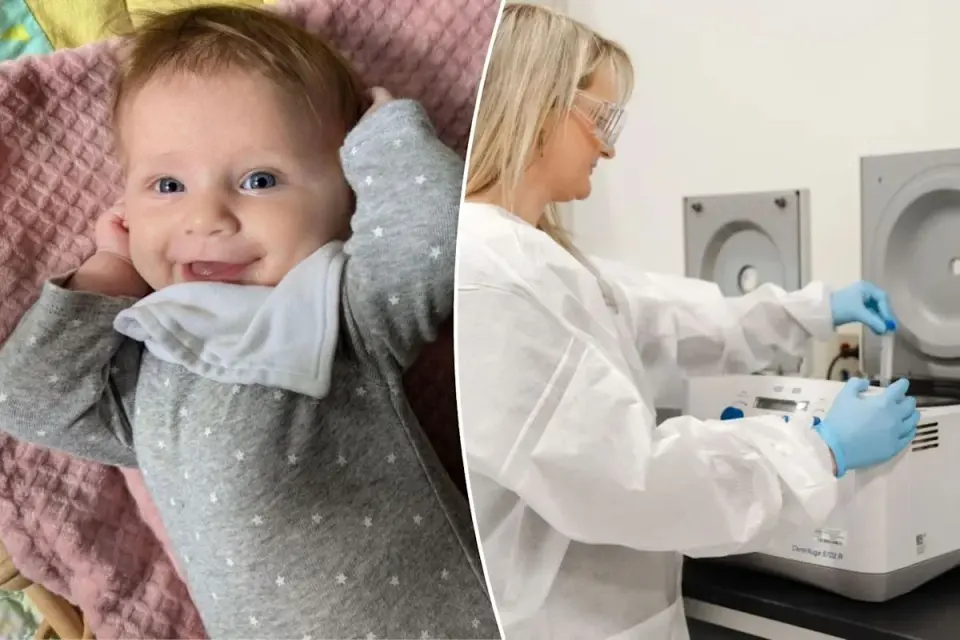
Herasight, a venture-backed startup, has launched NeuroRisk, a new service that screens embryos for genetic markers associated with autism, schizophrenia, and intellectual disability. The test, which costs $25,000 per batch, assigns a risk score from 0 to 100 based on rare mutations. While the company claims to identify severe cases, medical experts and advocacy groups criticize the practice as unproven and potentially eugenicist, noting that autism is not caused by a single gene.
Key points
- Herasight launched NeuroRisk, a test that screens embryos for autism, schizophrenia, and intellectual disability by analyzing rare mutations.
- The test assigns a risk score from 0 to 100; a score of 88 indicates a risk higher than 90% of the population.
- The service costs $25,000 per batch or $50,000 for multiple batches over five years, in addition to IVF fees.
- Herasight co-founder Jonathan Anomaly, a former philosophy lecturer, argues that the test targets severe cases and not mild conditions like Asperger syndrome.
- The American Society for Reproductive Medicine and the American College of Medical Genetics and Genomics have criticized polygenic embryo screening as unproven and premature.
- Autistic Self Advocacy Network opposes genetic testing aimed at preventing autism, stating it promotes ableism.
Background
Herasight, backed by Draper Associates, has entered the market for embryo screening, a practice previously limited to chromosomal abnormalities like Down syndrome. The company’s NeuroRisk test analyzes rare mutations rather than polygenic scores, which the American Society for Reproductive Medicine advised against in December 2025. The launch follows a period of political realignment in Silicon Valley, where tech leaders have distanced themselves from right-wing politics after the 2026 midterm elections. Elon Musk, who has Asperger syndrome, has been a prominent figure in this shift, publicly regretting his support for Republican candidates. The broader context includes ongoing debates about eugenics and genetic selection, with Anomaly having published a 2018 paper defending the choice of children’s traits.
Why it matters
The launch of NeuroRisk raises significant ethical and medical questions about the future of genetic screening. While the company claims to target severe cases, critics argue that the test is unproven and could lead to a reduction in the population of people with disabilities. The high cost of the service, $25,000 per batch, limits access to wealthy individuals, potentially exacerbating health disparities. The controversy also highlights the tension between scientific innovation and ethical boundaries in reproductive medicine, with medical organizations urging caution until more evidence is available.
What to watch
Herasight plans to continue offering NeuroRisk and has posted its research online for review. The company may face increased scrutiny from medical and advocacy groups, as well as potential regulatory action. The broader debate on genetic screening and eugenics is likely to intensify, with more startups potentially entering the market. The outcome of ongoing investigations into the accuracy and safety of these tests will be crucial in determining their future acceptance and regulation.
Want the full story? Read the original reporting
Read on Yahoo