
Nanotherapy Delivers Tapeworm Drug to Endometriosis Cells in Mouse Trial
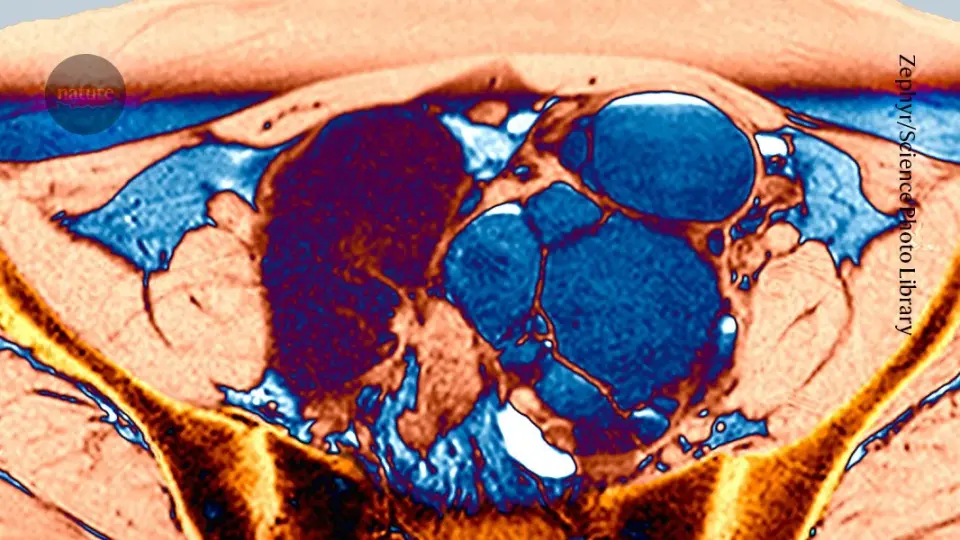
Researchers at Washington State University have developed a nanotherapy that delivers the anti-parasitic drug niclosamide directly to immune cells associated with endometriosis. In mouse models, this approach reduced lesion growth and pain symptoms after a single dose, offering a potential non-hormonal alternative to current treatments. The study addresses the limitations of oral niclosamide, which has poor solubility and causes side effects, by using a dendrimer nanocarrier to target specific macrophages. While promising, the therapy remains in the preclinical stage, with human trials and FDA approval potentially taking five years or more.
Key points
- A new nanotherapy targets folate receptor-beta (FRβ)-expressing macrophages, which are implicated in endometriosis progression, using the drug niclosamide.
- The treatment was tested in mice and showed reduced lesion size and improved pain sensitivity after just one dose, with minimal off-target toxicity.
- Niclosamide, an FDA-approved anthelmintic for tapeworms, has poor water solubility and causes side effects like nausea when taken orally, making it unsuitable for chronic use without modification.
- The nanocarrier, a dendrimer incorporating 2-deoxy-glucose and folic acid, enhances solubility and ensures the drug is released only inside targeted cells, potentially reducing systemic side effects.
- Current endometriosis treatments, including surgery and hormone therapy, often fail long-term, with nearly half of surgical patients experiencing recurrence within five years.
Background
Endometriosis, affecting approximately 190 million people globally, is often called the 'missed disease' due to delayed diagnosis and limited treatment options. Previous research by Kanako Hayashi in 2016 identified niclosamide's anti-inflammatory effects on endometrial tissue in mice, but its poor bioavailability hindered clinical application. This new study builds on that foundation by engineering a delivery system to overcome these limitations. The condition is frequently underdiagnosed because definitive diagnosis requires surgery, and symptoms are often normalized or dismissed, particularly in younger patients.
How outlets are covering it
Nature emphasizes the potential of this approach as a 'breakthrough' for non-surgical, non-hormonal therapies, highlighting the drug's promise if replicated in humans. KUOW focuses on the patient impact, noting that current treatments often fail to provide long-term relief and that the new method could significantly reduce side effects by targeting specific cells. BioTechniques provides a detailed technical overview, explaining the use of click chemistry and dendrimer nanocarriers to achieve targeted delivery to FRβ-expressing macrophages. All sources agree on the preclinical nature of the study, with Hayashi estimating that human trials and potential availability could take up to five years, pending funding and regulatory approval.
Why it matters
Endometriosis lacks a cure, and existing treatments often have significant drawbacks, including recurrence and severe side effects. This research offers a potential pathway to a more precise, effective, and less invasive treatment option. If successful in human trials, it could improve quality of life for the 190 million people affected by the condition, particularly those who do not respond to hormone therapy or experience recurrent symptoms after surgery.
What to watch
The next step is to conduct human clinical trials to verify the efficacy and safety of the nanotherapy. Researchers are currently seeking funding, likely from pharmaceutical companies, to support these trials. If the nanocarrier proves stable for longer periods, the treatment could be administered monthly via injection or IV infusion. The timeline for availability to the public is estimated at five years or more, depending on the success of the trials and regulatory approval.
- The ‘missed disease’ that affects 190 million: endometriosis drug shows early promise nature.com
- Could an old anti-parasite drug be repurposed for treating endometriosis? Study finds early evidence KUOW
- Tapeworm drug nanotherapy sparks hope for non-hormonal endometriosis treatment biotechniques.com
- With help from a nanoparticle, WA researchers find possible endometriosis treatment KOIN.com
Want the full story? Read the original reporting
Read on nature.com