
Histamine Brain Rhythms Gate Real-Time Memory Access
TL;DR
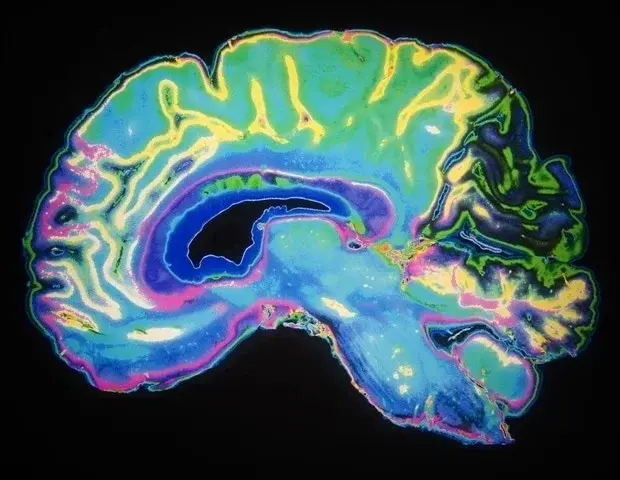
A Nagoya City University study shows slow, spontaneous fluctuations in histamine neurons bias moment-to-moment memory accessibility in mice: higher histamine activity before a cue improves memory-guided responses, while lower activity reduces them. Using real-time cues and optogenetics, researchers confirm a priming-state mechanism that prepares memory circuits, with the basolateral amygdala acting downstream, suggesting memory lapses can arise from brain state rather than memory decay.
Want the full story? Read the original reporting
Read on News-Medical