Tag

Histamine

All articles tagged with #histamine

Scratch That Itch: Study Links Scratching to Longer Eczema Flare via Mast Cells
health7 days ago

Scratch That Itch: Study Links Scratching to Longer Eczema Flare via Mast Cells

University of Pittsburgh researchers found that scratching an itch triggers mast cells to release histamine and other inflammatory chemicals, increasing inflammation and prolonging the itch-scratch cycle. In mice, those allowed to scratch showed more substance P and inflammation, while preventing scratching reduced inflammation; scratching also lowered levels of Staphylococcus aureus, but the skin damage from chronic scratching likely outweighs this benefit. Cold compresses and 1% hydrocortisone can help relieve itching. The study, published in Science, sheds light on the evolutionary role of scratching in skin defense but with a caution for chronic inflammation.

Scratch That Itch: Science Explains Why It Feels Good But Worsens Bug Bites
science14 days ago

Scratch That Itch: Science Explains Why It Feels Good But Worsens Bug Bites

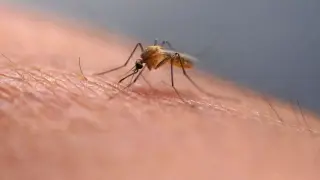
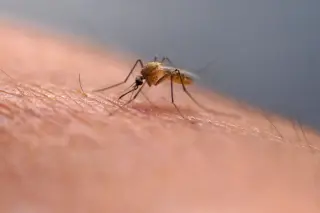
New mouse studies show scratching bug bites increases swelling by triggering mast cells via pain signals and histamine, creating an itch–scratch cycle. Menthol and anti-itch creams can temporarily relieve, and researchers are pursuing targeted treatments (MRGPRX2 blockers). In the meantime, avoid scratching and use hydrocortisone, calamine, or oatmeal baths to calm itch.

The itch dilemma: when scratching helps and when it hurts
health14 days ago

The itch dilemma: when scratching helps and when it hurts

A medical explainer shows that itching is caused by nerve signals and histamines; while scratching can provide relief, it often worsens the itch, damages skin, and can invite infection, especially with mosquito bites. Practical tips include cold compresses, moisturizers, anti-itch creams, oral antihistamines, trimming nails, and avoiding scratching; seek medical care for persistent or severe itching.

Histamine Brain Rhythms Gate Real-Time Memory Access
neuroscience28 days ago

Histamine Brain Rhythms Gate Real-Time Memory Access

A Nagoya City University study shows slow, spontaneous fluctuations in histamine neurons bias moment-to-moment memory accessibility in mice: higher histamine activity before a cue improves memory-guided responses, while lower activity reduces them. Using real-time cues and optogenetics, researchers confirm a priming-state mechanism that prepares memory circuits, with the basolateral amygdala acting downstream, suggesting memory lapses can arise from brain state rather than memory decay.

Histamine Waves Gate Real-Time Memory Access
science29 days ago

Histamine Waves Gate Real-Time Memory Access

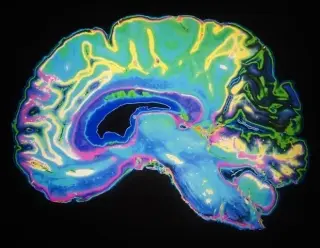
New work in mice shows slow fluctuations in hypothalamic histamine neurons act as a real-time priming gate for memory retrieval: high histamine before a cue enhances memory expression by stabilizing the basolateral amygdala’s memory pattern, while low histamine reduces retrieval. Optogenetic manipulation confirms causality, and the findings support a priming-state model where internal brain states—not erased traces—govern moment-to-moment memory access, with potential implications for aging and dementia.

Histamine-Driven DIY Allergy Cocktail Gains Traction for Perimenopause
health1 month ago

Histamine-Driven DIY Allergy Cocktail Gains Traction for Perimenopause

Some women are using a DIY mix of Allegra (an antihistamine) and Pepcid AC (famotidine) to ease perimenopause symptoms like hot flashes and mood swings, based on a biological link between estrogen and histamine. While there is some biology to support the approach, there’s a lack of robust clinical data and long‑term safety information, and experts caution the combination could mask underlying conditions such as endometriosis or thyroid disorders, underscoring the need for proper medical evaluation and patient advocacy.

The Immune Drama Behind Seasonal Allergies
health3 months ago

The Immune Drama Behind Seasonal Allergies

Seasonal allergies happen when pollen is misread as a threat by the immune system. Dendritic cells help sensitization, antibodies cluster on mast cells, and subsequent pollen exposure releases histamine and other chemicals that inflame the eyes, nose, and airways, causing itching, congestion, and a runny nose. Eosinophils can prolong symptoms, and about a quarter of US adults are affected, sometimes after one exposure or across several seasons. Treatments like antihistamines and nasal steroids dampen the inflammatory response, while saline rinses help flush out irritants. Different seasons bring different pollen, but effective management is possible with medication and avoidance strategies.

Unveiling the Sensory Power of Hair Follicles
neuroscience2 years ago

Unveiling the Sensory Power of Hair Follicles

Researchers at Imperial College London have discovered a previously unknown mechanism within hair follicles that allows us to detect touch. Hair follicle cells, in addition to nerve endings in the skin, can sense touch and release neurotransmitters histamine and serotonin in response. This finding may provide insights into the role of histamine in inflammatory skin conditions like eczema. The study was conducted using cell cultures and further research is needed to confirm the findings in living organisms.

Man's Immunity to Ticks Sparks Hope for Tick Vaccine Amidst Spike in Deadly Illness
health3 years ago

Man's Immunity to Ticks Sparks Hope for Tick Vaccine Amidst Spike in Deadly Illness

Richard Ostfeld, a community ecologist, has developed acquired tick resistance (ATR) which causes ticks to die when they bite him. His immunity to ticks could pave the way for a tick vaccine. When a tick bites Ostfeld, white blood cells rush to the scene and release an inflammatory chemical called histamine which kills the ticks. ATR protects him from tick-borne diseases such as Lyme disease or babesiosis. Scientists are looking into inducing ATR in humans to develop a vaccine against ticks themselves, protecting against all the pathogens inside them.

Hay fever: Avoiding certain foods and gut health could hold the key to relief.
health3 years ago

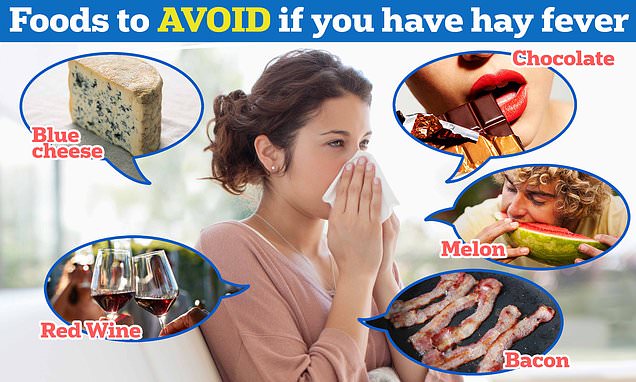
Hay fever: Avoiding certain foods and gut health could hold the key to relief.

Certain foods such as aged cheese, red wine, bacon, chocolate, and melon can trigger hay fever symptoms due to their high amounts of histamine and pollen. Histamine is the chemical that causes an allergic reaction, and it is found in fermented and aged foods. Additionally, some fruits, vegetables, nuts, and cereals can trigger hay fever symptoms due to oral allergy syndrome. However, cooking the food can reduce the allergy, and not all dairy and fruits cause this problem.