
El-Sayed Blames Kennedy for Measles Status Loss; Democrats Demand Resignation
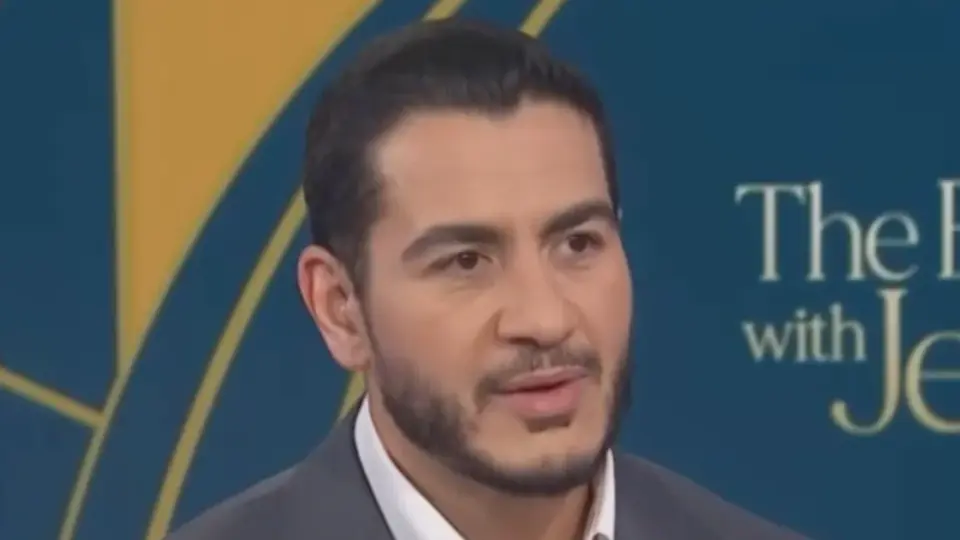
The U.S. has lost its measles elimination status, a designation held since 2000, following a decision by the Pan American Health Organization (PAHO). Senator-elect Abdul El-Sayed accused Health Secretary Robert F. Kennedy Jr. of being a 'grifter' who exploited pandemic-era misinformation to undermine vaccine trust. While Kennedy blamed the loss on global vaccination gaps during the COVID-19 pandemic, critics point to his anti-vaccine rhetoric, dismantling of CDC leadership, and promotion of alternative cures as primary drivers of the resurgence. The U.S. now faces over 5,400 cases and 10 deaths in 2026, the highest numbers since 1991. Democrats, including the Democratic Doctors Caucus, are calling for Kennedy’s resignation, with some suggesting bipartisan support for his removal may exist.
Key points
- PAHO revoked the U.S. measles elimination status after sustained local transmission for over a year, ending a 26-year period of disease control.
- Senator-elect Abdul El-Sayed labeled Kennedy a 'grifter,' arguing that his promotion of misinformation during the pandemic shook public trust in the MMR vaccine.
- Kennedy attributed the status loss to pandemic-era interruptions in routine childhood vaccination, though he stated he continues to recommend the MMR vaccine.
- The U.S. reported over 5,400 measles cases and 10 deaths in 2026, the highest case counts since 1991, with Wisconsin alone reporting 651 cases and two deaths.
- The Democratic Doctors Caucus has demanded Kennedy’s resignation, with Rep. Kelly Morrison noting potential bipartisan support from Sen. Bill Cassidy, who has expressed frustration with Kennedy’s actions.
- Public health experts warn that regaining elimination status will be more difficult than the initial achievement due to lower trust in public health systems and changing immune demographics.
Background
The U.S. achieved measles elimination status in 2000, a milestone credited to widespread vaccination efforts. Recent archive coverage highlights that the 2026 outbreak is the most severe since the early 1990s, with cases concentrated in states like Pennsylvania and Wisconsin. Previous reports noted that Kennedy’s confirmation was controversial, with some senators alleging he misled the Senate Health Committee about his stance on vaccines. The current revocation follows a trend where Bolivia and Mexico also lost their status, and Canada lost its status last year.
How outlets are covering it
HuffPost emphasizes El-Sayed’s critique of Kennedy’s 'grifting' and the financial motives behind alternative treatments, noting Kennedy’s recent AI-generated image as a sign of unseriousness. CNN provides a historical timeline, highlighting that while the U.S. achieved elimination in 2000, experts warned the status was 'inherently unstable' and required sustained high immunization levels. The New York Times focuses on the broader Democratic response, noting that the criticism comes from potential presidential candidates and senators-elect. MPR News highlights the political dimension, with Rep. Kelly Morrison suggesting that Sen. Bill Cassidy (R-La.) may support impeachment or removal efforts, indicating a potential bipartisan shift. Kennedy’s own perspective, as reported by HuffPost, attributes the loss to global pandemic disruptions rather than his policies, though he maintains support for MMR vaccination.
Why it matters
The loss of measles elimination status signals a significant public health setback, with the U.S. now facing endemic transmission. The debate over Kennedy’s role highlights the tension between public health evidence and political leadership, with experts warning that low trust in science and reduced funding for public health systems may hinder recovery. The potential for bipartisan action against Kennedy could influence future public health policy and the stability of agencies like the CDC.
What to watch
The U.S. must submit a corrective action plan to PAHO to regain elimination status, which requires interrupting outbreak transmission for at least 12 months. Public health experts suggest that recovery will require renewed federal leadership, increased funding, and strategies to rebuild trust in vaccination. Political efforts to remove Kennedy may intensify, with Democrats preparing to take control of Congress next year.
- Abdul El-Sayed Calls Out 'Grifter' RFK Jr. After U.S. Loses Measles Elimination Status HuffPost
- Timeline: How the US wrangled the deadly measles virus and how it has come raging back CNN
- Democrats Assail RFK Jr. After U.S. Loses Measles Elimination Status The New York Times
- U.S. Rep. Morrison calls for accountability after measles milestone reversed MPR News
- Sen. Bill Cassidy slams RFK Jr. for "series of failures" as Health Secretary CBS News
Want the full story? Read the original reporting
Read on HuffPost