
Department Stores Ended the 'Urinary Leash' by Turning Restrooms into Retail Strategy
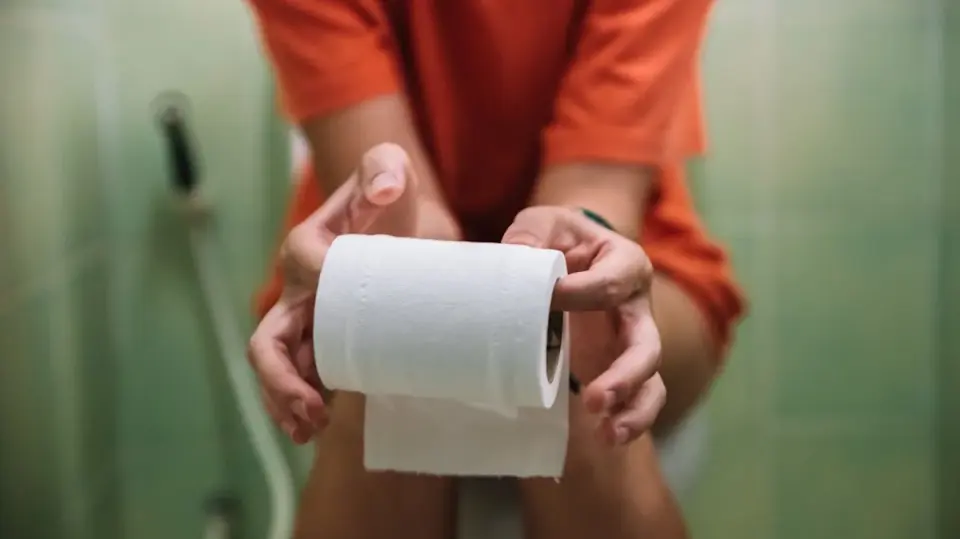
For centuries, women’s mobility was restricted by the 'urinary leash,' a lack of safe public toilets. Department stores like Marshall Field’s and Selfridge’s changed this by installing luxurious, staffed restrooms in 1907 and later, prioritizing customer retention over public welfare. This commercial strategy inadvertently created precedents for public access and suffragist organizing, though modern debates over bathroom access continue to echo these historical constraints on autonomy.
Key points
- Historians term the limitation on women's movement due to lack of public toilets the 'urinary leash,' restricting travel to two to five hours.
- Marshall Field’s in Chicago opened luxurious, staffed women’s restrooms in 1907, featuring wide stalls for bustles and nurseries, to encourage longer shopping visits.
- Harry Selfridge expanded this model in London, adding hot water, telephones, and writing desks, treating restrooms as amenities to increase consumer spending.
- While motivated by profit, these private facilities set precedents that activists used to demand public restrooms and provided spaces for suffragists to strategize.
- The article notes that modern restrictions on bathroom access, particularly for trans people, continue to impact autonomy, echoing historical exclusions.
Background
This story highlights the commercial origins of public restroom access for women, contrasting with recent news regarding the FDA’s push to make vaginal estrogen over-the-counter to address urinary tract infections in menopausal women. It also follows the collapse of Australia’s David Jones, illustrating the shifting landscape of department stores, which historically played a pivotal role in shaping urban infrastructure and social norms.
Why it matters
Understanding the commercial motivations behind public restroom access reveals how infrastructure often serves economic interests before becoming a civil right. The 'urinary leash' concept underscores how bodily needs have historically been used to control women's public presence, a dynamic that persists in contemporary debates over bathroom policies and autonomy.
What to watch
The article does not report on future developments, but it highlights ongoing threats to public bathroom access, particularly for trans individuals, suggesting continued advocacy for inclusive restroom policies.
Want the full story? Read the original reporting
Read on Yahoo