
Fall River Council Criticizes State-Funded Harm Reduction Program Distributing Drug Supplies
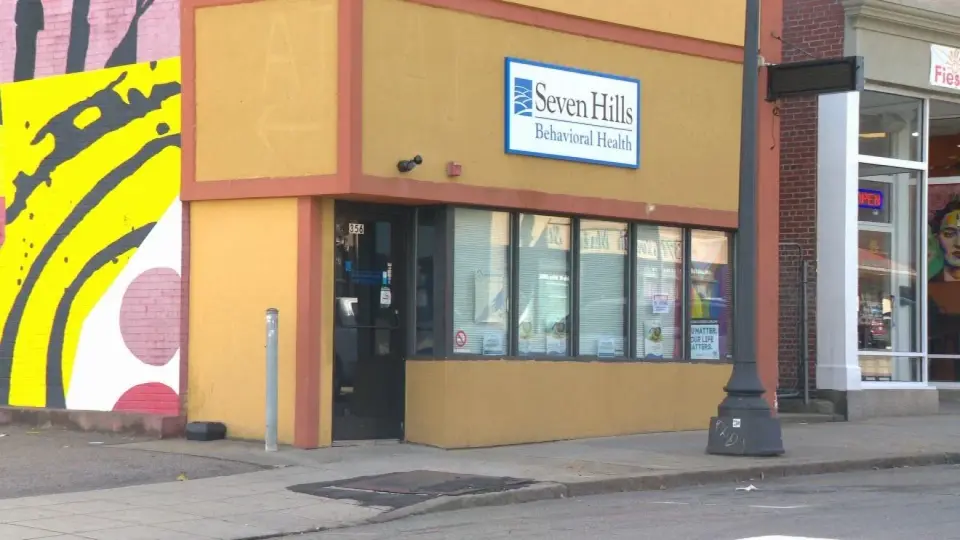
A state-funded harm reduction program in Fall River, Massachusetts, is distributing free drug-use supplies, including crack pipes and syringes, to reduce overdose risks and disease transmission. While health officials and the nonprofit provider argue this approach saves lives and connects users to treatment, local city council members and residents criticize the initiative as enabling addiction and misusing taxpayer funds. The controversy highlights a deep divide between public health strategies and community concerns over the ongoing opioid crisis in the city.
Key points
- Seven Hills Behavioral Health distributes glass pipes, cookers, mirrors, razors, and sterile needles through a program on South Main Street in Fall River, funded by the Massachusetts Department of Public Health (DPH).
- The Massachusetts DPH expanded harm reduction policies in December 2021, allocating approximately $6.5 million statewide for such programs, with at least $1.5 million designated for safer consumption equipment.
- Fall River City Council President Cliff Ponte and Councilor Christopher Peckham criticized the program during an October 18 meeting, arguing that distributing supplies enables continued drug use rather than addressing addiction.
- Peckham, who has family members struggling with heroin addiction, questioned the use of taxpayer money for supplies that he believes contribute to addiction, stating the issue is personal for him.
- State data shows Fall River recorded 32 opioid-related overdose deaths in 2025, a 9% decrease from the previous year, but the city’s rate remains 2.5 times the statewide average.
- Seven Hills Behavioral Health declined on-camera interviews but issued a written statement defending the program, emphasizing that clean supplies prevent diseases like HIV and hepatitis C and facilitate entry into treatment.
Background
This controversy unfolds against the backdrop of a persistent opioid crisis in Fall River, where overdose rates remain significantly higher than the state average. While earlier local infrastructure projects, such as the microtunnel construction in Winnipeg, are unrelated, the current debate centers on the effectiveness of harm reduction versus abstinence-based approaches in public health policy. The program is part of a broader state strategy implemented in 2021 to mitigate the health impacts of drug use.
Why it matters
The dispute between local officials and state health authorities illustrates the ongoing tension in public health policy regarding harm reduction. Critics argue that providing drug-use supplies normalizes addiction and wastes resources, while proponents contend that it reduces immediate health risks, prevents disease transmission, and creates pathways to recovery. The outcome of this debate could influence future funding and implementation of harm reduction programs across Massachusetts and other regions facing similar overdose crises.
What to watch
Councilor Christopher Peckham has stated his intention to continue pushing for changes to the distribution program. The Fall River City Council may seek further engagement with the Massachusetts Department of Public Health to address concerns about the program’s impact and funding allocation. Seven Hills Behavioral Health may continue its operations while facing ongoing scrutiny from local leaders and residents.
Want the full story? Read the original reporting
Read on WJAR