
Central Utah Health Department Confirms Rabies in Delta Cat
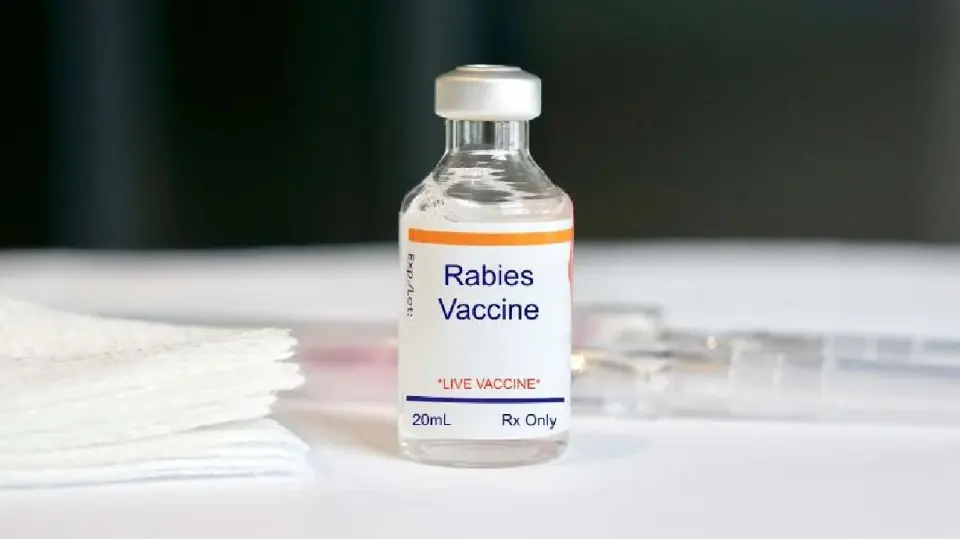
A cat found near Delta, Utah, has tested positive for rabies, prompting the Central Utah Health Department to initiate post-exposure treatments for known contacts. Officials suspect the indoor/outdoor pet contracted the virus from a wild animal. While the disease is fatal, it is preventable through vaccination and avoiding stray wildlife.
Key points
- The Central Utah Health Department confirmed on Monday that a cat found outside of Delta tested positive for rabies.
- The infected animal was described as an indoor/outdoor pet, with officials suspecting it contracted the virus through contact with a wild animal.
- Individuals and animals known to have been exposed are currently undergoing post-exposure treatment and infection control measures.
- Health officials emphasize that rabies is a fatal viral disease that affects the central nervous system but is preventable through pet vaccination and avoiding stray or wild animals.
- The department advises pet owners to check for injuries and contact local animal control or a veterinarian if their pet has had contact with a potentially rabid animal.
Background
This local incident aligns with a broader pattern of rabies cases reported across the United States in late 2026. Recent archive entries highlight similar alerts in Prince William County, Roanoke, and Marion, Massachusetts, where cats and raccoons tested positive. These events have prompted the CDC to issue alerts regarding a nationwide increase in rabies exposures and treatments, underscoring the importance of prompt medical attention for potential victims.
Why it matters
The confirmation of rabies in a domestic pet near a populated area highlights the critical need for preventive vaccination and immediate medical response for exposed individuals. As rabies is almost always fatal once symptoms appear, public awareness of exposure risks and the availability of post-exposure treatment are essential for community safety.
What to watch
The Central Utah Health Department will continue to monitor the situation and update the public as necessary. Residents are advised to remain vigilant, ensure their pets are vaccinated, and seek immediate medical attention if they suspect exposure to a rabid animal.
Want the full story? Read the original reporting
Read on KSL News