
L&I Inspects Central Washington Dairies After H5N1 Fatality
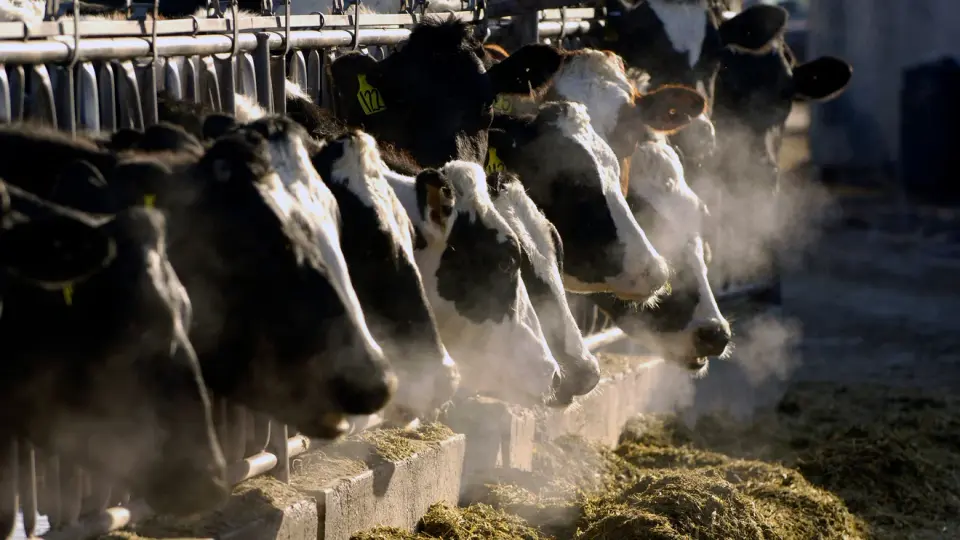
The Washington State Department of Labor and Industries (L&I) is inspecting two Central Washington dairy farms following the death of a worker from H5N1 avian influenza. The employee, a Yakima County resident with underlying health conditions, died on November 1 after exposure to infected cattle. L&I is enforcing personal protective equipment (PPE) requirements, while public health officials monitor a third confirmed human case in the region. British Columbia is also monitoring the situation, though no dairy cases have been recorded in Canada.
Key points
- L&I is inspecting two dairies in Central Washington where the deceased worker was employed.
- The victim died on November 1 from H5N1 complications; the individual had pre-existing health conditions.
- A third confirmed human case in Yakima County remains mild, with no hospitalization reported.
- L&I mandates PPE including coveralls, respirators, and goggles for workers handling animals or equipment.
- British Columbia officials are monitoring the outbreak but report zero dairy cases in Canada.
- Human-to-human transmission remains undocumented in the U.S., and general public risk is low.
Background
This incident is the third U.S. fatality linked to avian influenza since the virus began infecting livestock in 2024. Previous cases include an elderly person in January 2025 and a Washington resident in November 2025. Washington state has seen a rise in infected dairy herds, with 41 to 43 herds testing positive recently. Additionally, a commercial poultry facility in Pierce County was quarantined in November 2026, and bird flu was confirmed at Lake Tye Park near Seattle, prompting warnings for pet owners regarding raw food and wild bird contact.
How outlets are covering it
KOMO News and KOIN.com focus on the regulatory response, highlighting L&I inspections and specific PPE requirements such as ventilation systems and handwashing stations. CBC emphasizes the cross-border implications, noting that British Columbia is closely monitoring the outbreak despite having no recorded dairy cases, with officials citing strict import testing and biosecurity protocols. Medical Daily shifts the focus to broader public health, detailing the confirmation of H5N1 at Lake Tye Park and advising pet owners to avoid raw diets and keep cats indoors. While all sources agree the general public risk is low, they differ in emphasis: KOMO and KOIN prioritize occupational safety, CBC highlights international containment, and Medical Daily addresses household and wildlife exposure.
Why it matters
The fatality underscores the occupational risks for dairy workers and the necessity of strict PPE enforcement. It also highlights the potential for cross-border spread, prompting neighboring jurisdictions to tighten biosecurity. For the public, it reinforces the importance of avoiding raw dairy products and monitoring wild bird populations, as the virus continues to circulate in livestock and wildlife across the Pacific Northwest.
What to watch
L&I will continue inspections to ensure compliance with PPE and training protocols. Public health officials will monitor close contacts of the third confirmed case for symptoms. British Columbia will maintain surveillance of imported cattle and enforce mandatory reporting of infected livestock. Pet owners in Washington are advised to keep cats indoors and avoid raw pet food as fall migration increases wild bird detections.
- L&I inspects two Central Washington dairies after worker dies from bird flu KOMO
- Washington health officials provide safety tips after dairy farmer dies from bird flu KOIN.com
- B.C. watching closely after Washington state death linked to avian flu in dairy industry CBC
- Bird flu confirmed at Lake Tye Park after more than 30 birds die; Washington pet owners told to avoid raw food Medical Daily
- Bird Flu Cases May Be Underreported in Washington Outbreak MedPage Today
Want the full story? Read the original reporting
Read on KOMO