
NYC Raccoon Rabies Cases Surge to 26 in 2026, Outpacing Entire 2025 Total
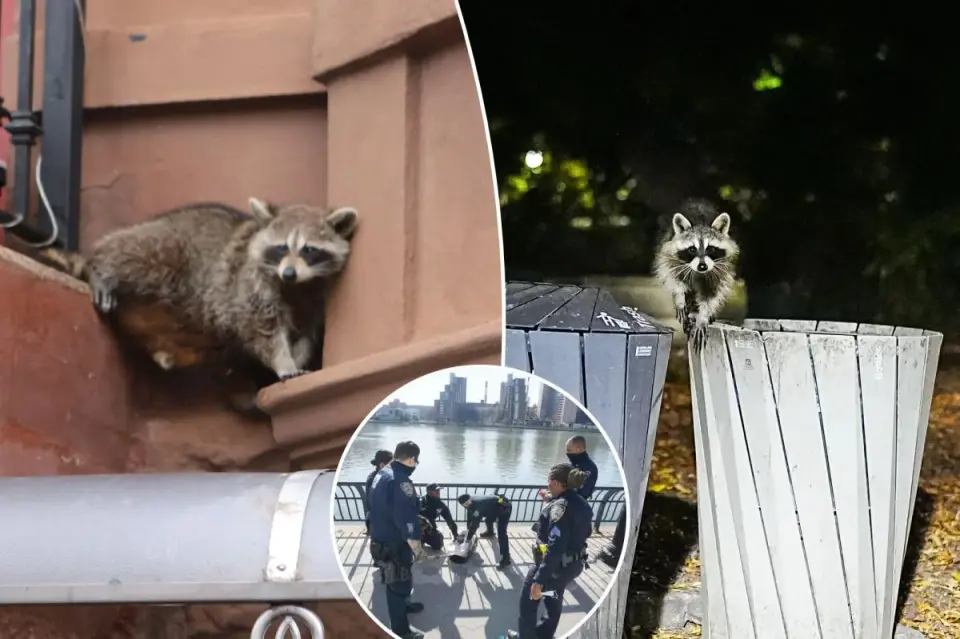
New York City has recorded 26 raccoon rabies cases in 2026, a 30% increase over the entire previous year and more than 12 times the 2024 total. The surge spans the Bronx, Brooklyn, Queens, and Staten Island, with Manhattan reporting zero cases. Health officials attribute the spike to a raccoon population boom and the virus spreading to areas with low immunity. While rabies is fatal without treatment, officials emphasize that infected raccoons typically appear weak rather than aggressive. Control efforts include oral vaccine baiting and public advisories to seal garbage and avoid contact with wildlife.
Key points
- 2026 has seen 26 confirmed raccoon rabies cases in NYC, compared to 20 in 2025 and 2 in 2024.
- Cases are concentrated in the Bronx, Brooklyn, Queens, and Staten Island; Manhattan has had none.
- Nearly half of the 2026 cases occurred in Manhattan, though the borough had zero confirmed cases, indicating a data discrepancy or specific reporting nuance in the source.
- Suffolk County reported 32 cases, with 31 involving raccoons, and two humans required treatment after dog exposure.
- Rabies is 100% fatal without post-exposure treatment, starting with flu-like symptoms and progressing to neurological decline.
- NYC Health Department distributes oral vaccine bait in autumn, using helicopters in Staten Island and hand-scattering in other boroughs.
Background
This outbreak follows a pattern of cyclical raccoon rabies surges, with some years reaching 50 cases. The current spike is notable for its geographic spread into boroughs like Queens and Brooklyn, where such cases were historically rare. A 2010 Central Park outbreak was successfully contained through targeted vaccination efforts, which helped eliminate rabies from Manhattan at that time. The current situation highlights the ongoing challenge of managing wildlife populations in dense urban environments.
Why it matters
The surge poses a direct public health risk, as rabies is invariably fatal without prompt medical intervention. The expansion of cases into new boroughs indicates a growing threat to urban residents and their pets. Effective containment relies on community cooperation in reporting sick animals and maintaining hygiene practices to reduce raccoon attraction to residential areas.
What to watch
NYC Health Department will continue distributing oral vaccine bait in autumn and monitor case numbers. Officials expect raccoon rabies to persist as long as the animal population remains high, with no immediate solution for widespread vaccination. Public vigilance in reporting sick animals and securing garbage is critical to mitigating further spread.
Want the full story? Read the original reporting
Read on New York Post