Tag

Zoonotic Disease

All articles tagged with #zoonotic disease

Mid-Wales farmer’s years-long battle with tapeworm-linked cysts raises hydatid disease concerns
health1 month ago

Mid-Wales farmer’s years-long battle with tapeworm-linked cysts raises hydatid disease concerns

An 86-year-old Trecastle farmer, Meredydd Jones, spent years living with hydatid disease caused by the tapeworm Echinococcus granulosus, which formed cysts in his lungs (two removed in 2018 and 2019) and a remaining liver cyst. Public Health Wales notes the disease is uncommon but a significant public health concern in mid Wales due to local sheep farming. Experts are studying how the parasite moves from dogs to farm animals to humans, including using GPS trackers on sheepdogs to map transmission and inform prevention efforts.

Florida’s leprosy cases rise, armadillos flagged as possible carriers
health1 month ago

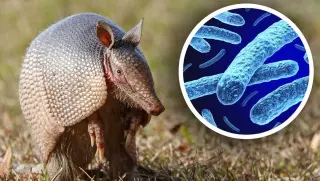
Florida’s leprosy cases rise, armadillos flagged as possible carriers

Leprosy (Hansen’s disease) cases are increasing in Florida, with 17 reported in 2026 as of July 23 and 36 in 2025, helping Florida account for a notable share of U.S. cases. Officials say it may reflect a low-level endemic presence rather than an outbreak. The bacterium Mycobacterium leprae is carried by nine-banded armadillos common in Florida, and transmission to humans—usually through direct contact or disturbing contaminated areas—remains rare and requires prolonged exposure. Precautions include avoiding armadillo contact and wearing protective clothing when gardening. Leprosy is curable with antibiotics.

What we still need to learn about Ebola’s animal origins to stop the next outbreak
environment2 months ago

What we still need to learn about Ebola’s animal origins to stop the next outbreak

Amid rising Bundibugyo Ebola concerns, the piece argues that the true wildlife transmission pathways of Ebola viruses remain poorly understood—bats are often blamed but not proven—making surveillance and prevention challenging. It advocates a One Health approach linking wildlife, livestock, and human health to reduce spillover, warns against ill-informed wildlife culling, and stresses that political and funding hurdles complicate the research needed to avert larger future outbreaks.

Seafood Virus CMNV Linked to Emerging Human Eye Disease
science4 months ago

Seafood Virus CMNV Linked to Emerging Human Eye Disease

A Nature Microbiology study links the shrimp-associated virus CMNV to an emerging human eye disease called POH-VAU, finding CMNV-like particles and antibodies in patients and showing similar symptoms in CMNV-infected mice; most cases involved direct exposure to raw seafood, but some occurred without clear exposure, raising concerns about potential human transmission and ocean-based zoonoses, with CMNV detected in 49 aquatic species—more research is needed to confirm causality.

Nipah Outbreak in India Triggers Regional Health Alerts Over Deadly Virus
health7 months ago

Nipah Outbreak in India Triggers Regional Health Alerts Over Deadly Virus

A Nipah virus outbreak in India's West Bengal has prompted heightened health screening and alerts across Asia. Nipah is a highly fatal, zoonotic virus with transmission from animals, contaminated foods, and limited human-to-human spread; there is currently no vaccine, though a treatment (m102.4) is in early trials. The immediate public health risk remains low for regions outside the affected area, but authorities are closely monitoring cases.

"Surge of Leptospirosis Infections Linked to Rat Urine in US Cities"
health2 years ago

"Surge of Leptospirosis Infections Linked to Rat Urine in US Cities"

Leptospirosis, a deadly disease caused by exposure to rat urine, is on the rise in the US and is already circulating in India, particularly in states like Kerala, Gujarat, Tamil Nadu, Maharashtra, and Karnataka. The disease is transmitted through contact with contaminated water, soil, or food tainted by infected animal urine and can lead to symptoms such as fever, muscle aches, jaundice, and gastrointestinal complications. Preventive measures include avoiding contact with potentially contaminated water bodies, keeping homes rat-free, and promoting public awareness campaigns for early detection and treatment.

"Rise in Rare Bacterial Disease Cases Among San Diego Dogs"
health2 years ago

"Rise in Rare Bacterial Disease Cases Among San Diego Dogs"

San Diego veterinarians are observing a rise in cases of leptospirosis, a rare bacterial disease that can be transmitted to dogs through contact with contaminated water or wildlife urine. The disease, which can also affect humans, can lead to severe health complications if left untreated. Pet owners are urged to be vigilant, vaccinate their pets, and seek veterinary care if their animals show signs of lethargy or illness.

Pennsylvania Resident Hospitalized with Novel H1N2v Swine Flu
health2 years ago

Pennsylvania Resident Hospitalized with Novel H1N2v Swine Flu

A Pennsylvania resident has been hospitalized after contracting swine flu from infected pigs, marking the first pig-to-human transmission this year. The CDC reported that the patient has since recovered, and there have been no reports of person-to-person transmission. Swine flu, caused by influenza A H1N2 variant, is typically endemic among pigs but rarely infects humans. The CDC advises people to avoid direct contact with pigs and to monitor them for signs of illness to prevent the spread of the zoonotic disease.

"Fatal Bubonic Plague Case in New Mexico Raises Concerns"
health2 years ago

"Fatal Bubonic Plague Case in New Mexico Raises Concerns"

A man in New Mexico has died from the bubonic plague, marking the state's first human death from the disease since 2020. The New Mexico Department of Health is conducting outreach and environmental assessments to determine any ongoing risk to the public. The plague, a bacterial disease spread through infected flea bites or contact with infected animals, can also affect pets. Health authorities recommend measures such as avoiding sick or dead rodents, using appropriate flea control products for pets, and seeking prompt medical attention for unexplained illnesses with sudden and severe fever. This incident follows a recent case in Oregon where a resident is believed to have contracted the plague from their symptomatic pet cat.

"Rising Concern: The Parrot Fever Outbreak in Europe Claims 5 Lives"
health2 years ago

"Rising Concern: The Parrot Fever Outbreak in Europe Claims 5 Lives"

"Parrot fever", caused by the bird-borne bacteria Chlamydia psittaci, is on the rise and has resulted in several deaths in Europe. The infection can be transmitted to humans through contact with infected birds and their secretions, posing a higher risk to pet bird owners, poultry workers, veterinarians, and gardeners. Symptoms include flu-like symptoms and pneumonia, but the illness can be treated with antibiotics if diagnosed promptly.

"Rising Concerns as Zombie Deer Disease Spreads to Humans"
health2 years ago

"Rising Concerns as Zombie Deer Disease Spreads to Humans"

Scientists are growing concerned about the potential for chronic wasting disease (CWD) to cross over from deer to humans, as studies have shown that non-human primates can contract the disease. CWD, a neurological disorder similar to mad cow disease, has been found in deer, elk, and moose in 26 U.S. states and three Canadian provinces. While there is currently no evidence that CWD can infect humans, experts are urging caution and further research to understand the potential risks to public health.

"First Fatal Case of Alaskapox Virus Reported in Alaska"
health2 years ago

"First Fatal Case of Alaskapox Virus Reported in Alaska"

Alaska reports its first fatal case of Alaskapox, a novel orthopox virus, in a man with an underlying health condition living on the Kenai Peninsula. This marks the state's seventh Alaskapox case and the first located outside of the Fairbanks area. The man's immunocompromised status likely contributed to the severity of the disease, which was linked to a stray cat that frequently scratched him. The case highlights the need for increased awareness among clinicians and ongoing testing of small mammals to gauge the prevalence of Alaskapox.

"First Recorded Death from Alaskapox Virus Confirmed in Alaska"
health2 years ago

"First Recorded Death from Alaskapox Virus Confirmed in Alaska"

An elderly man from the Kenai Peninsula in Alaska has become the first person to die from Alaskapox, a recently discovered zoonotic disease thought to be carried by small woodland animals like squirrels. The man, who had a history of drug-induced immunosuppression due to cancer treatment, had been scratched by a stray cat he cared for before developing symptoms. Despite initial misdiagnoses, advanced testing by the CDC confirmed the presence of Alaskapox. The case suggests the virus may be more geographically widespread in Alaska's small mammals than previously known, prompting increased statewide awareness.