
Pennsylvania’s Measles Response Relies on Word-of-Mouth to Reach Amish Communities
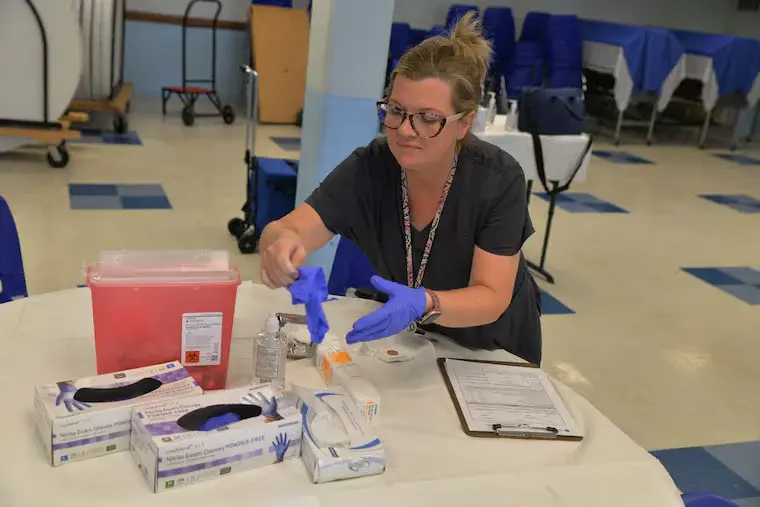
Pennsylvania has reported over 1,300 measles cases, with Lancaster County accounting for nearly 40% of the total. Traditional public health campaigns failed to reach the Amish community, prompting officials to adopt a discreet, word-of-mouth strategy. Pop-up clinics in fire stations and private homes have vaccinated over 6,000 people, leveraging community trust and religious leaders to overcome vaccine hesitancy and cultural privacy norms.
Key points
- The state has organized 223 pop-up clinics, including 51 in Lancaster County, vaccinating over 6,000 individuals since the outbreak began in April.
- Health officials bypassed social media and billboards, relying on an 'Amish Internet' of word-of-mouth networks recommended by local elders and religious leaders.
- Clinics are often held in private homes or fire stations to maintain privacy, with some events drawing over 100 attendees from a single family or neighborhood.
- Lancaster County has recorded nearly 470 cases, and six measles-associated deaths have been identified in the state, including two infants and a 20-year-old woman.
- Vaccination rates surged after clinics began operating in the evenings to accommodate farmers, with 79 out of 94 attendees at a recent Peach Bottom clinic choosing to get vaccinated.
Background
This strategy follows earlier reports of door-to-door vaccination efforts and rising case counts in Pennsylvania, where the outbreak has been described as the nation's worst in decades. Previous coverage highlighted the tension between public health mandates and religious exemptions, particularly in Amish communities with low immunization rates. The current approach represents a shift from mass media campaigns to personalized, community-integrated outreach to address mistrust of modern medical systems and technology.
Why it matters
The success of this discreet, community-driven approach offers a model for engaging insular populations with low vaccination rates. It demonstrates that trust and cultural respect can overcome barriers that traditional public health messaging fails to address, potentially slowing the spread of highly contagious diseases in rural areas.
What to watch
Health officials will continue to expand pop-up clinics and home visits, focusing on areas with high case counts. They will monitor vaccination rates and address lingering concerns about vaccine contents, while also managing the political and social tensions surrounding vaccination mandates.
Want the full story? Read the original reporting
Read on Inquirer.com