
Mount Sinai Study Identifies AHR Protein as Key Brake on Nerve Regeneration
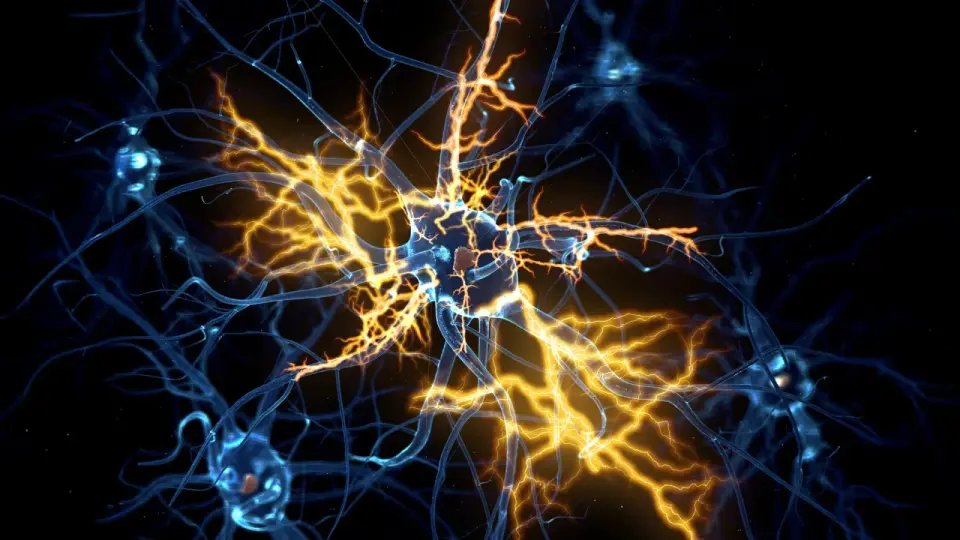
Researchers at the Icahn School of Medicine at Mount Sinai have identified a molecular mechanism that limits the ability of damaged nerves to heal. Published in Nature, the study reveals that the aryl hydrocarbon receptor (AHR) acts as a brake on axon regrowth. By blocking this protein, scientists observed improved nerve repair and restored movement in mice with spinal cord and peripheral nerve injuries. This discovery suggests that shifting neurons from a survival mode to a repair mode could lead to new treatments for neurological damage.
Key points
- A team led by Professor Hongyan Zou at Mount Sinai identified the aryl hydrocarbon receptor (AHR) as a key regulator that suppresses axon growth in injured neurons.
- The study, published in Nature, demonstrates that blocking AHR activity allows damaged nerve fibers to regenerate more successfully in mouse models.
- In experiments involving peripheral nerve damage and spinal cord injuries, suppressing AHR led to significant improvements in motor function and sensation.
- AHR normally supports a protective stress response known as proteostasis, which helps neurons survive injury but simultaneously limits the production of new proteins needed for rebuilding connections.
- The research indicates that inhibiting AHR shifts cellular priorities toward growth and regeneration, a process also involving the factor HIF-1α.
- While AHR was originally known for detecting environmental toxins, this study shows it plays a critical role in determining whether neurons prioritize survival or repair.
Background
Previous research in 2026 highlighted advancements in spinal cord injury treatment, including the development of lab-grown human mini spinal cords that healed after simulated injury. Earlier studies in 2025 and 2024 also explored mechanical implants and electronic devices designed to restore movement in paralyzed subjects. The current finding adds a molecular dimension to these physical approaches by identifying a specific protein target that could enhance the body's natural regenerative capacity.
Why it matters
This discovery offers a potential pathway for treating conditions that currently cause permanent disability, such as spinal cord injuries, strokes, and peripheral nerve damage. By understanding how to release the molecular brake on nerve growth, future therapies could help patients regain movement and sensation that was previously thought to be irreversible. The existence of existing AHR inhibitors in clinical trials accelerates the potential timeline for translating this research into human treatments.
What to watch
The Mount Sinai team plans to conduct further studies to test the efficacy of AHR inhibitors across various types of neural injuries. Researchers will investigate optimal treatment timing and dosage, as well as the impact of suppressing AHR on other cells involved in the injury response. Additionally, the team intends to explore gene-therapy approaches that specifically reduce AHR activity in neurons to enhance regeneration and improve recovery outcomes.
Want the full story? Read the original reporting
Read on Science Daily