Tag

Spinal Cord Injury

All articles tagged with #spinal cord injury

Six-year-old Matias conquers cancer and paralysis through grit and rehab
health8 minutes ago

Six-year-old Matias conquers cancer and paralysis through grit and rehab

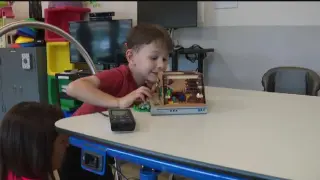
A Baltimore-area family shares the story of Matias, a 6-year-old who was diagnosed with neuroblastoma as an infant—a tumor pressing on his spinal cord that left him paralyzed from the waist down after initial treatment. Through early, intensive physical therapy at Kennedy Krieger Institute and a determined mindset inspired by his able-bodied twin, Matias has regained walking ability and continues to work on strength, balance and independence.

Blocking a cellular brake unlocks nerve regeneration after injury
science3 days ago

Blocking a cellular brake unlocks nerve regeneration after injury

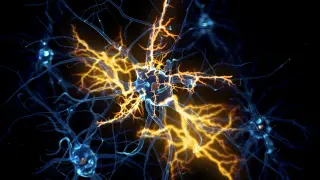
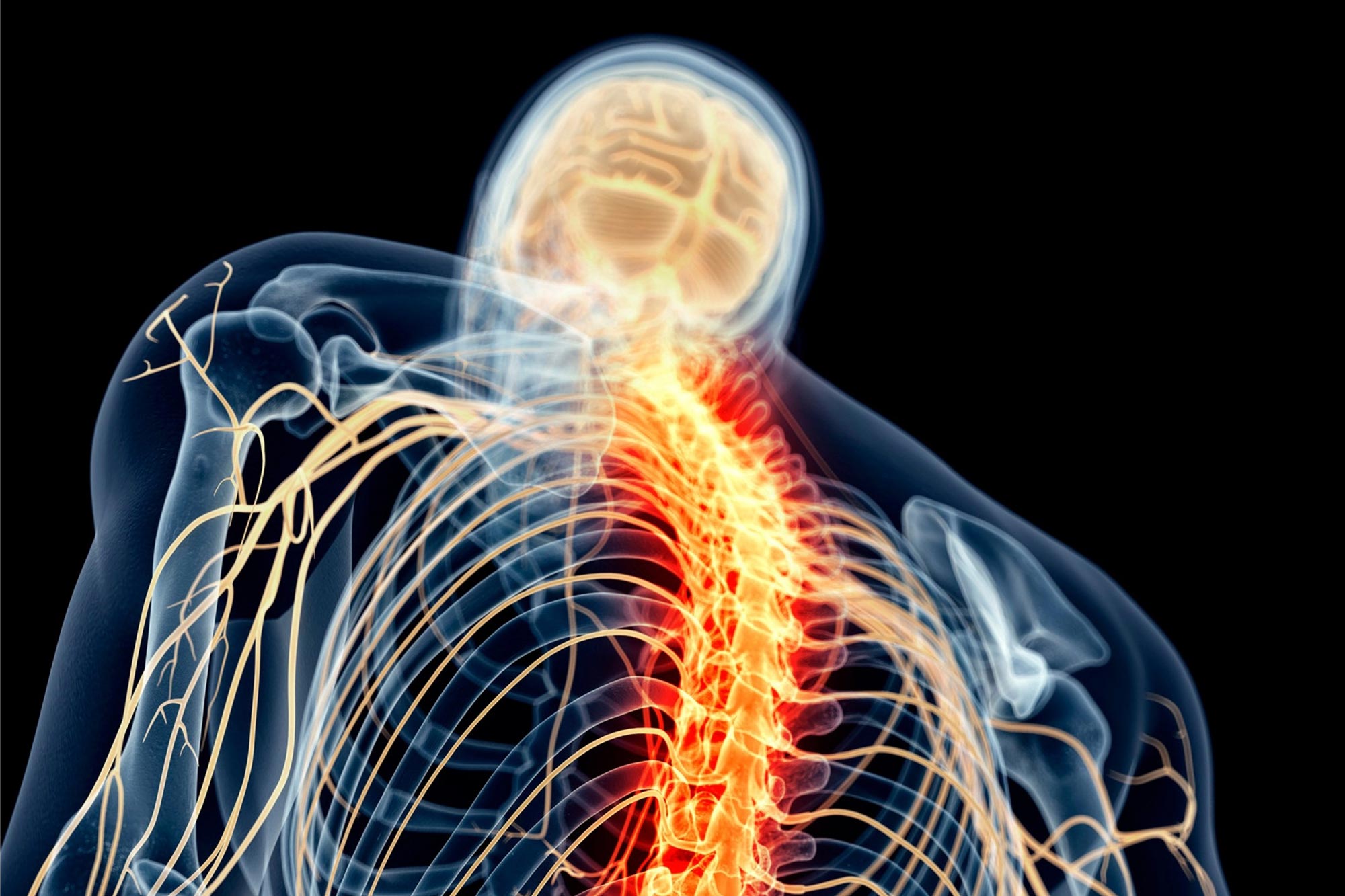
Researchers identified the aryl hydrocarbon receptor (AHR) as a molecular brake that restrains injured neurons from regrowing axons. Blocking AHR in mice—genetically or pharmacologically—enhanced axon regeneration and improved movement and sensation after peripheral nerve or spinal cord injuries. The effect shifts neurons from a stress-management mode to growth, aided by HIF-1α, and suggests potential therapeutic avenues, though work remains to determine timing, dosing, and safety before human use.

California dad paralyzed saving child from rip current
us-news8 days ago

California dad paralyzed saving child from rip current

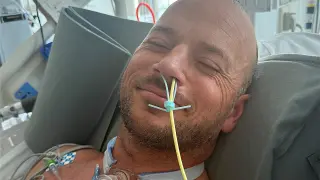
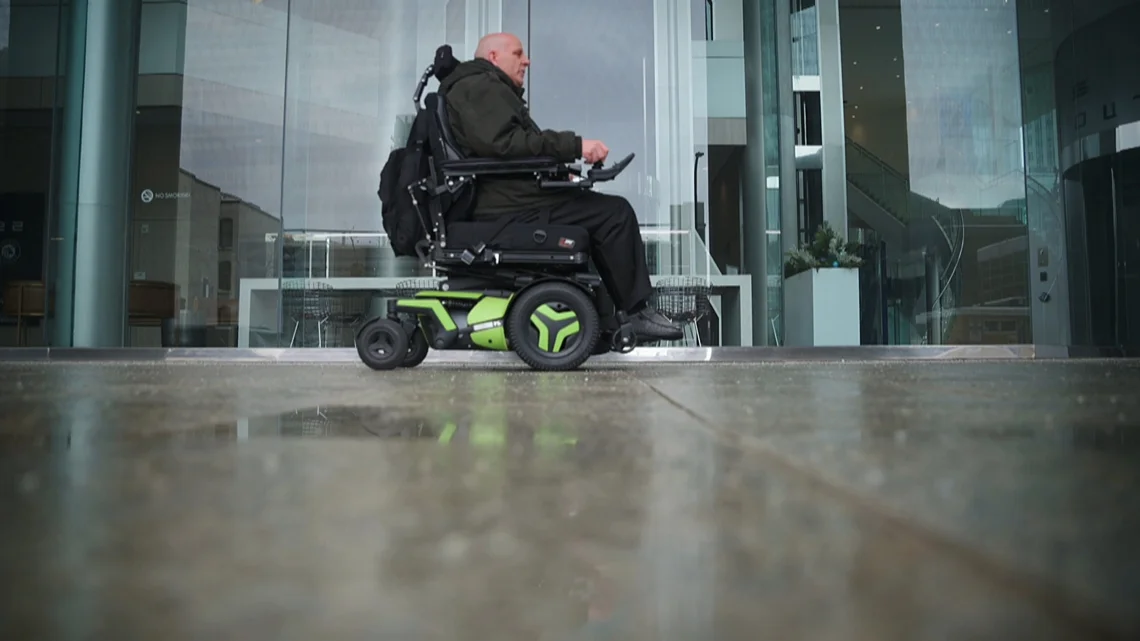
Josh Collette, a 42-year-old California father of five, was paralyzed from the neck down after diving into the ocean to rescue a child caught in a rip current at Riviera Beach in San Clemente; he reportedly struck a sandbar or rocks, bystanders pulled him from the water, and doctors say he is now unable to speak, though the family hopes he’ll regain speech. A GoFundMe for medical costs has raised nearly $110,000 as the family braces for a long recovery.

Cold Reality: Expert Explains 82.1°F Temperature in Lindsay Clancy Case
science21 days ago

Cold Reality: Expert Explains 82.1°F Temperature in Lindsay Clancy Case

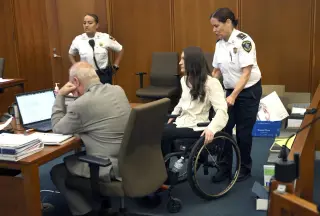
Parade interviewed Dr. James J. Chao, who explains that Lindsay Clancy's reported 82.1°F core temperature is medically plausible in severe trauma with spinal cord injury: loss of heat generation from shivering and blood‑vessel constriction, plus rapid cooling on the cold ground, can drive core temperature down quickly; the timeline can extend during transport and early rewarming (the afterdrop), with management including warm IV fluids, forced‑air warming, and, in some cases, ECMO.

Water surge in West Hollywood leaves businessman with spinal injuries
local1 month ago

Water surge in West Hollywood leaves businessman with spinal injuries

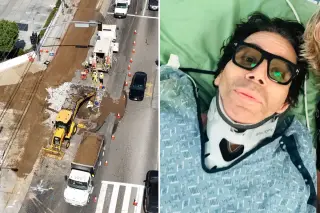
A West Hollywood businessman, RJ Holguin, suffered a life-changing spinal cord injury after slipping on a muddy, waterlogged street caused by a massive water-main break that released about 17 million gallons. He jumped to avoid an oncoming car in a crosswalk, then fell and sustained C3–C6 injuries with central cord syndrome, requiring surgery and inpatient rehabilitation. City crews repaired the damage, with Sunset Boulevard reopening on July 24 (a smaller leak followed on July 23).

Bidirectional brain implant restores hand movement and touch in quadriplegia
science1 month ago

Bidirectional brain implant restores hand movement and touch in quadriplegia

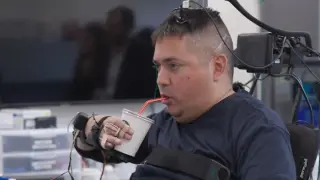
A single paralysed patient with quadriplegia regained voluntary hand movement and partial touch using a bidirectional brain-computer interface: implanted brain microelectrodes plus skin-stimulation patches translated his intended movements into nerve stimulation, with sensors providing touch feedback. Over 35 weeks he showed substantial arm-strength gains (87% in one measure reported as 86%/62% in the study) and could perform tasks like feeding himself and wiping his mouth; the work, published in Nature Medicine, marks a significant advance in neuroprosthetics but remains preliminary with one participant.

Magnetic NPC Bots Repair Severed Spinal Cords in Mice, Hinting at a Breakthrough Therapy
science2 months ago

Magnetic NPC Bots Repair Severed Spinal Cords in Mice, Hinting at a Breakthrough Therapy

ETH Zurich researchers engineered NPCbots—magnetically guided nanoparticles paired with patient-derived neural progenitor cells—to bridge a completely severed spinal cord in mice (and showed promising results in zebrafish). After 28 days, nerve ends reconnected and gait and coordination improved, with no adverse effects, signaling a potential new therapy for spinal injuries pending further animal testing and optimization of magnetic stimulation before human trials.

NG101 Antibody Clears Growth Barrier to Boost Spinal Cord Repair
health3 months ago

NG101 Antibody Clears Growth Barrier to Boost Spinal Cord Repair

In a multicenter phase 2b trial, NG101 neutralizes Nogo-A, enabling surviving and newly grown nerve fibers to regenerate around spinal lesions and reestablish connections with the spinal centers that control the limbs. MRI data show faster lesion reduction and preserved tissue, providing objective biomarkers for early treatment effects and suggesting potential gains in hand/arm function after acute cervical spinal cord injury, though full mobility restoration remains uncertain.

Paralysis Allegations Shake Nura Pain Clinic Over Spinal Stimulators
health6 months ago

Paralysis Allegations Shake Nura Pain Clinic Over Spinal Stimulators

Three patients allege that spinal cord stimulator implants at Nura Pain Clinic caused paralysis or serious injuries, leading to lawsuits accusing doctors of risky placement and inadequate warnings; a third patient has joined the suits as the clinic says it emphasizes informed consent while litigation unfolds, and FDA data show thousands of adverse events linked to these devices, including cases of paralysis.

Dancing molecules drive repair in lab-grown human spinal cords
science6 months ago

Dancing molecules drive repair in lab-grown human spinal cords

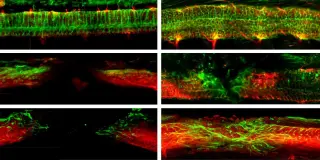
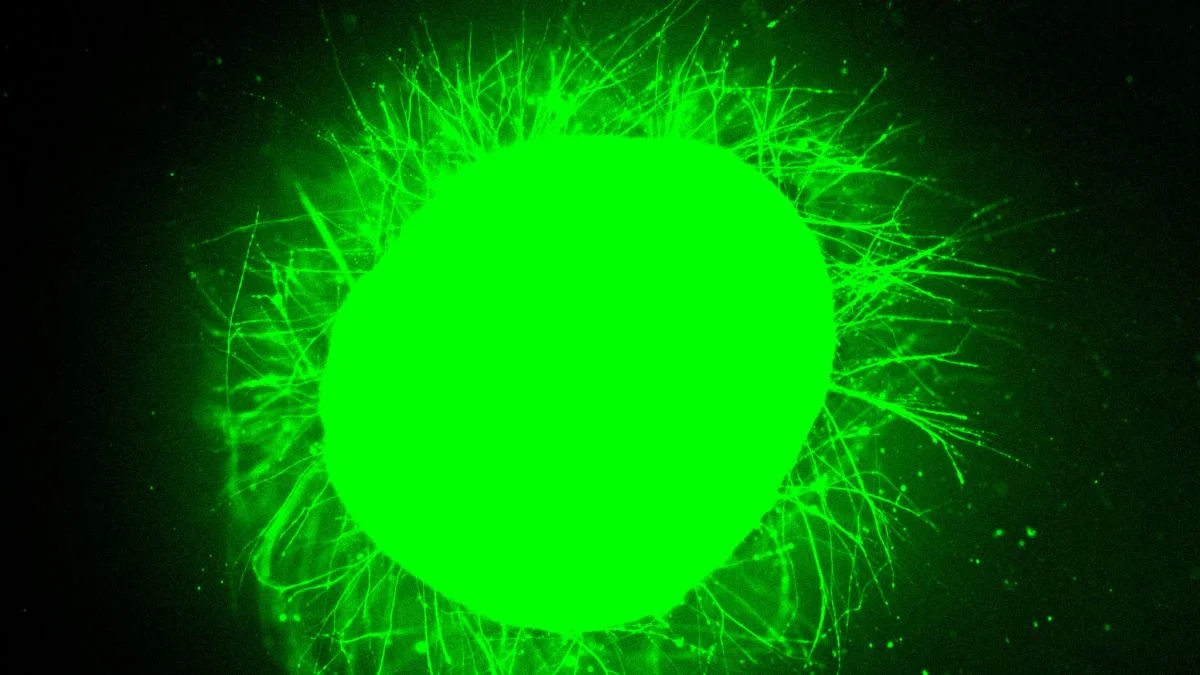
Northwestern researchers grew 3-millimeter-wide human spinal cord organoids from iPSCs, injured them in two ways, and treated them with IKVAV-PA 'dancing' supramolecular peptides that form a scaffold and promote axon regrowth. The treated tissues showed reduced glial scar and inflammation and enhanced neurite growth, aligning with prior mouse data and suggesting potential for human therapies—though clinical use is years away. The work was published in Nature Biomedical Engineering.