
Cornell Study Identifies First Feline Marfan Syndrome Cases in Sibling Cats
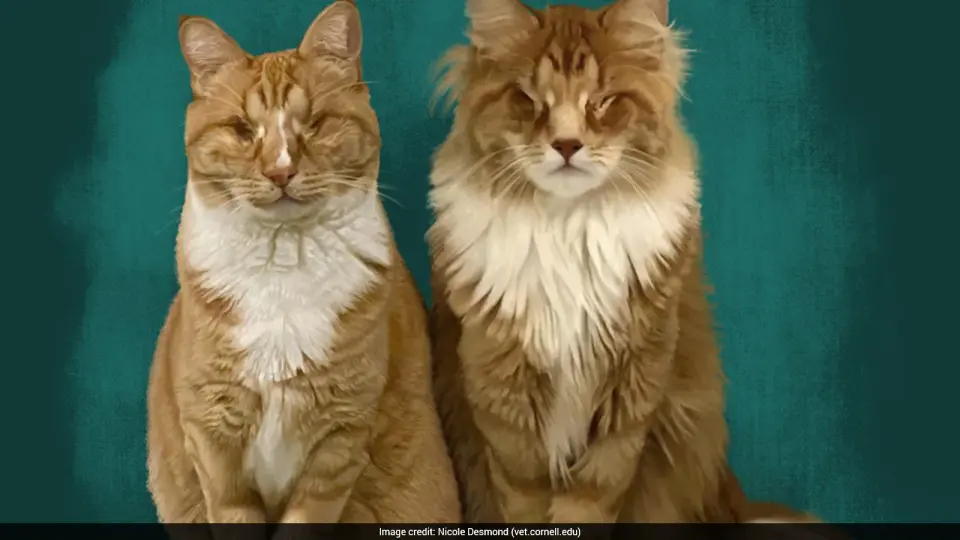
Researchers at Cornell University have confirmed the first documented cases of Marfan syndrome in domestic cats. The condition was identified in two sibling cats, Gary and Shaggy, who exhibited severe connective tissue abnormalities. The study, published in Scientific Reports, marks a significant milestone in veterinary genetics and provides a foundation for future diagnostic testing.
Key points
- First documented cases of Marfan syndrome in cats identified in siblings Gary and Shaggy.
- Study led by Cornell University and Baker Institute for Animal Health, published in Scientific Reports.
- Cats exhibited elongated leg bones, lens dislocation, and aortic root dilation.
- Genetic sequencing confirmed both cats carried two altered copies of the FBN1 gene.
- Findings may lead to improved veterinary diagnostics and genetic testing for felines.
Background
Marfan syndrome is a rare genetic disorder affecting approximately 1 in 4,000 people, characterized by weakened connective tissues. While previously undocumented in cats, recent archive coverage from late September 2026 highlighted the initial announcement of this molecular characterization by Cornell researchers, setting the stage for the detailed findings released in early October.
How outlets are covering it
NDTV and SciTechDaily emphasize the novelty of the discovery and the specific physical symptoms observed in the cats, such as eye surgeries and aortic dilation. Vet Practice Magazine highlights the collaborative nature of the research, noting involvement from Ghent University, the University of Pennsylvania, and the Schwarzman Animal Medical Center. All sources agree that the cats' survival despite carrying two altered gene copies is due to a partial disruption of gene function, a detail that offers new insights into the condition's severity in different species.
Why it matters
This discovery provides the first molecular basis for Marfan syndrome in cats, enabling veterinarians to recognize similar cases earlier. It also opens the door for developing specific genetic tests for the disorder in felines, potentially improving long-term care and management for affected animals.
What to watch
Researchers hope to use these findings to develop genetic screening tools for domestic cats. The study may also inform broader understanding of how connective tissue disorders manifest across different species, potentially influencing human medical research as well.
- Scientists Confirm First-Ever Cases Of Feline Marfan Syndrome In Cat Siblings NDTV
- Scientists Find First-Ever Cases of Feline Marfan Syndrome in Cat Siblings Gary and Shaggy. Here’s What That Means People.com
- Meet Gary and Shaggy, The First Known Domestic Cats With Rare Marfan Syndrome IFLScience
- First known case of Marfan syndrome discovered in feline siblings vetpracticemag.com.au
- These Feline Brothers Are the First Cats Ever Documented With Marfan Syndrome SciTechDaily
Want the full story? Read the original reporting
Read on NDTV