
Aedes amateuri: A Mexican Mosquito Species Confirmed in Arizona
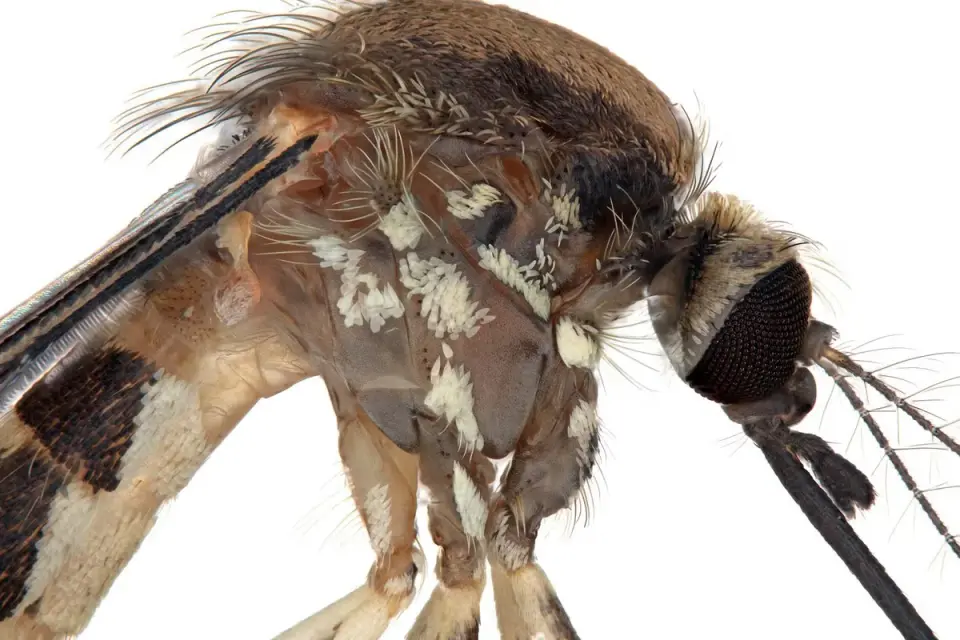
A University of Florida scientist has confirmed the first U.S. record of the mosquito species Aedes amateuri, previously known only from Mexico. Found in the Madrean Sky Islands of southeastern Arizona, the species is rare and difficult to detect due to its reliance on temporary monsoon pools. While it bites humans, there is currently no evidence it transmits disease.
Key points
- Lawrence Reeves, an entomologist at the University of Florida's Institute of Food and Agricultural Sciences, identified Aedes amateuri in Arizona using physical and DNA analysis.
- The species was first found in 2022 in the Santa Rita and Dragoon Mountains, with additional specimens collected in the Peloncillo Mountains in 2026.
- The discovery marks the northernmost known location for the species, which was previously recorded only in Mexico.
- Aedes amateuri is known to feed on humans and large mammals like deer, but no evidence currently links it to disease transmission.
- The species is difficult to detect in Arizona's arid climate because its immature stages require temporary water pools that appear only after sufficient monsoon rainfall.
Background
Recent coverage has highlighted the expansion of invasive mosquito species, such as the breeding of Aedes aegypti in London and the surge of Asian tiger mosquitoes in Chicago. These events underscore the importance of monitoring mosquito populations for public health risks. The discovery of Aedes amateuri adds to the understanding of mosquito diversity in the U.S., a region that has been intensively studied for over a century.
How outlets are covering it
The Independent emphasizes the limited knowledge about the new species and its potential public health implications. News4JAX provides detailed information on the discovery process, including the specific locations in Arizona where the mosquitoes were found and the challenges in detecting them. The Boca Raton Tribune focuses on the novelty of the discovery, highlighting that the species was previously known only from Mexico. All sources agree on the importance of continued surveillance and monitoring, but they differ in their emphasis on the species' rarity and the difficulty of detecting it in arid environments.
Why it matters
The discovery of Aedes amateuri in the U.S. highlights the ongoing need for mosquito surveillance and research, even in well-studied regions. Understanding the distribution and behavior of new species is crucial for mitigating the impacts of mosquitoes on public health. The finding also underscores the importance of monitoring mosquito populations to detect potential disease vectors early.
What to watch
Researchers will continue to monitor the presence of Aedes amateuri in Arizona and potentially New Mexico. Further studies are needed to determine whether the species poses a public health risk and to understand its habitat and biology better. Continued surveillance will help scientists learn more about the species and its potential implications for public health.
Want the full story? Read the original reporting
Read on The Independent