
New York Activates Five-Year Containment Zone After First Wild Chronic Wasting Disease Detection in 21 Years
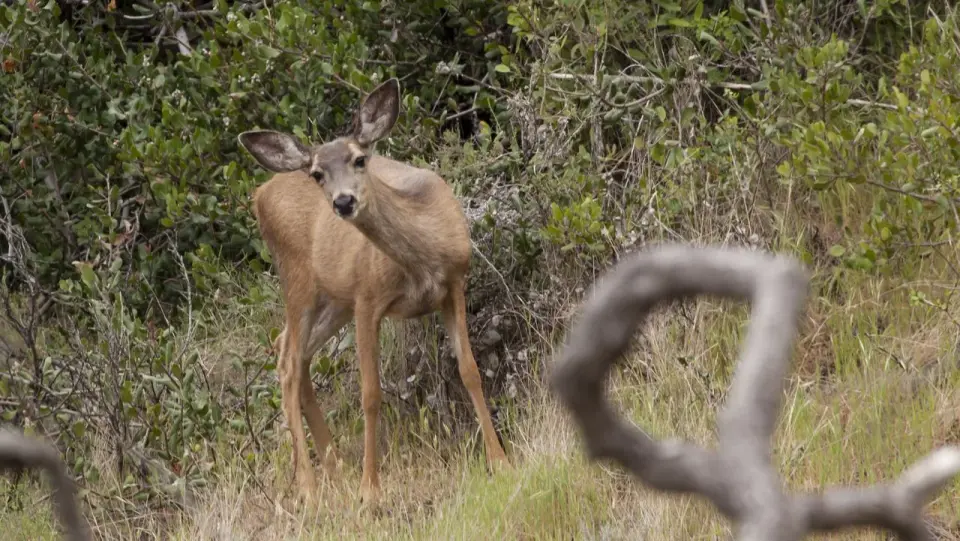
New York State’s Department of Environmental Conservation (DEC) has established a five-year containment area in Livingston County after confirming the first case of Chronic Wasting Disease (CWD) in a wild deer since 2005. The disease, caused by misfolded proteins that destroy brain tissue, was detected in a white-tailed deer harvested in the town of Sparta. While CWD is always fatal to deer, elk, and moose, officials state there is no evidence of human transmission. The DEC is mandating tissue testing for all deer harvested in six specific towns and prohibiting the transport of whole animals or certain deer products out of the zone. Vermont officials have also issued warnings to hunters regarding the illegal transport of unprocessed deer from New York.
Key points
- A wild white-tailed deer in Livingston County, New York, tested positive for Chronic Wasting Disease (CWD), the first such case in a wild animal in the state since 2005.
- The New York State Department of Environmental Conservation (DEC) has designated a five-year containment area covering six towns: Conesus, Groveland, North Dansville, Sparta, Springwater, and West Sparta.
- Hunters within the containment area are required to submit tissue samples from harvested deer to the DEC for testing; collection stations opened on November 12, 2026.
- The DEC prohibits the movement of whole deer, captive deer, and certain deer products (like urine-based attractants) out of the containment area to limit potential spread.
- Vermont wildlife officials warned hunters that transporting unprocessed deer from New York or other CWD-positive areas is illegal, citing the risk of prion contamination in soil and wildlife.
- CWD is caused by prions that remain in the environment for decades; while fatal to cervids, there is no confirmed evidence of transmission to humans, though the CDC advises against eating infected venison.
Background
New York successfully eradicated CWD in 2005 after a previous outbreak, maintaining zero wild cases for 21 years. A captive deer in Herkimer County tested positive in 2024, but this is the first wild case since the eradication. Other states, such as Wyoming, have struggled with high infection rates, with nearly 15% of tested deer and elk positive in 2024. The current discovery in Livingston County, approximately 300 miles from the Vermont border, has prompted regional alerts due to the long-term environmental persistence of prions.
How outlets are covering it
Spectrum News and WHEC.com focus on the immediate regulatory response within New York, detailing the mandatory testing protocols, the specific towns in the containment zone, and the economic impact on the state’s billion-dollar hunting industry. They emphasize the DEC’s strategy to determine the extent of the outbreak before implementing further management actions like population reductions. VTDigger and WCAX highlight the cross-border implications, with Vermont officials warning hunters about illegal transport of unprocessed deer. VTDigger notes that prions can persist in soil for decades, posing a long-term threat to wildlife habitats, while WCAX emphasizes the illegality of bringing in unprocessed animals from CWD-positive areas. All sources agree that while CWD is fatal to deer, there is no confirmed evidence of human transmission, though they advise caution regarding venison consumption.
Why it matters
The detection of CWD in a wild deer in New York after a 21-year absence signals a potential resurgence of a disease that is difficult to eradicate due to the environmental persistence of prions. The five-year containment zone and mandatory testing represent a significant shift in wildlife management, aiming to prevent the spread to other regions and protect the state’s hunting industry. The cross-border warnings from Vermont underscore the interconnected nature of wildlife disease management, where actions in one state can impact neighboring regions. Understanding the long-term environmental impact of prions is crucial for developing effective containment and management strategies to protect deer populations and potentially prevent future outbreaks.
What to watch
The DEC will continue testing deer in the containment area to determine the prevalence of CWD. Based on the results, they may implement local population reductions or other management actions to limit the spread. A virtual informational session is scheduled for November 17, 2026, to discuss future management plans. Hunters are advised to follow testing protocols and avoid consuming venison from positive-tested deer. Vermont and other neighboring states will continue to enforce policies against the transport of unprocessed deer from CWD-positive areas.
- DEC discovers rare disease in upstate New York deer Spectrum News
- Chronic wasting disease found in wild New York deer for first time in decades VTDigger
- DEC adds new requirements after chronic wasting disease found in Livingston County deer WHEC.com
- Vermont wildlife officials warn hunters after chronic wasting disease found in New York WCAX
- THE GREAT OUTDOORS: Chronic wasting disease is here! niagara-gazette.com
Want the full story? Read the original reporting
Read on Spectrum News