
Louisiana Vet Team Builds Functional Wheelchair for Box Turtle Using Lego and Syringe Cases
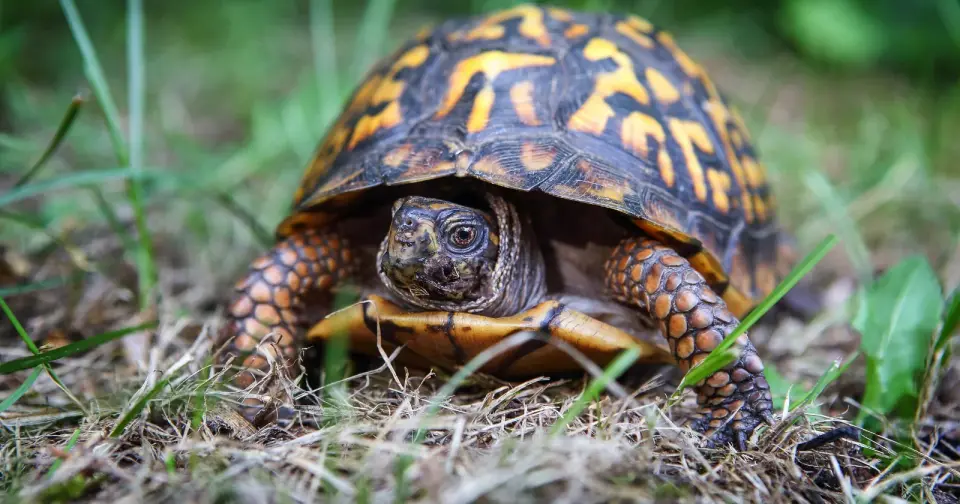
A box turtle named Pedro, who lost a hind leg after escaping his enclosure in Louisiana, was fitted with a custom wheelchair by veterinary staff at Louisiana State University. The device, constructed from Lego car wheels, syringe cases, and epoxy, allowed the turtle to move independently within minutes of application. The team chose this low-cost, lightweight solution over 3D printing to ensure the prosthetic was easy for the animal to drag and simple to clean.
Key points
- Pedro, a box turtle previously missing one leg, lost a second hind limb after escaping his home in Louisiana and returning months later.
- Veterinary staff at Louisiana State University’s Teaching Hospital, including intern Kelly Rockwell and student Sarah Mercer, designed a wheelchair using Lego car wheels.
- The team extended the wheel axles using cut-down syringe cases and attached the rig to the turtle’s shell with animal-safe epoxy used in farriery.
- The lightweight design was chosen over 3D printing to minimize the weight the turtle had to drag and to allow for easy removal for cleaning.
- Pedro was able to reverse, turn, and move around independently within minutes of receiving the device.
Background
This case follows a similar incident in Baltimore where a zoo employee created a custom frame for a box turtle with a broken shell, highlighting the lack of standardized prosthetics for small reptiles. Box turtles are known for their ability to return to home ranges over long distances, a trait that likely helped Pedro return to his owner after his escape. The use of Lego in medical or veterinary contexts is not new, as seen in various custom orthopedic devices, but this application specifically addresses the mobility needs of ectothermic reptiles with slow metabolisms.
Why it matters
The case demonstrates how veterinary teams can improvise effective, low-cost solutions for exotic or small animals when standard equipment is unavailable. It highlights the adaptability of veterinary medicine and the importance of considering the specific physiological needs of different species, such as the low energy budgets of box turtles, when designing assistive devices.
What to watch
The veterinary team hopes this case will encourage other clinicians to adopt creative, resourceful approaches for treating reptiles. The design has been documented to provide a template for future cases, potentially reducing the time and cost required to develop similar prosthetics for other small animals.
Want the full story? Read the original reporting
Read on spacedaily.com