
science-and-nature6.335 min read
October 2026 Sky Guide: Saturn Opposition, Orionids, and the Hunter’s Moon
6 days ago•Source: KCCI

The latest science and nature stories, each synthesized from multiple sources with added background and context.

Lake Vostok, hidden beneath 4 kilometers of Antarctic ice, is smaller in surface area than all Great Lakes but holds more water than four of them combined. Discovered via radar in the 1990s and first accessed by drill in 2012, this ancient body of water remains liquid due to immense pressure and geothermal heat. It serves as a critical analogue for extraterrestrial oceans on moons like Europa and Enceladus, though its exact volume and dimensions remain subject to significant measurement error.
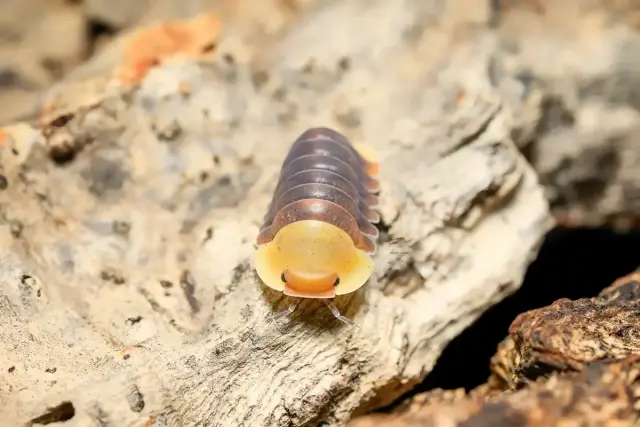

The article showcases fascinating and bizarre facts about the ocean and marine life, including discoveries of ancient sharks, rare species like the pink manta ray, and natural phenomena such as Fata Morgana mirages, highlighting the ocean's mysterious and largely unexplored depths.

A study reveals that Chicago is slowly sinking due to land subsidence caused by natural glacial adjustments and human groundwater extraction, with potential long-term risks to infrastructure, and suggests managed aquifer recharge as a mitigation strategy.
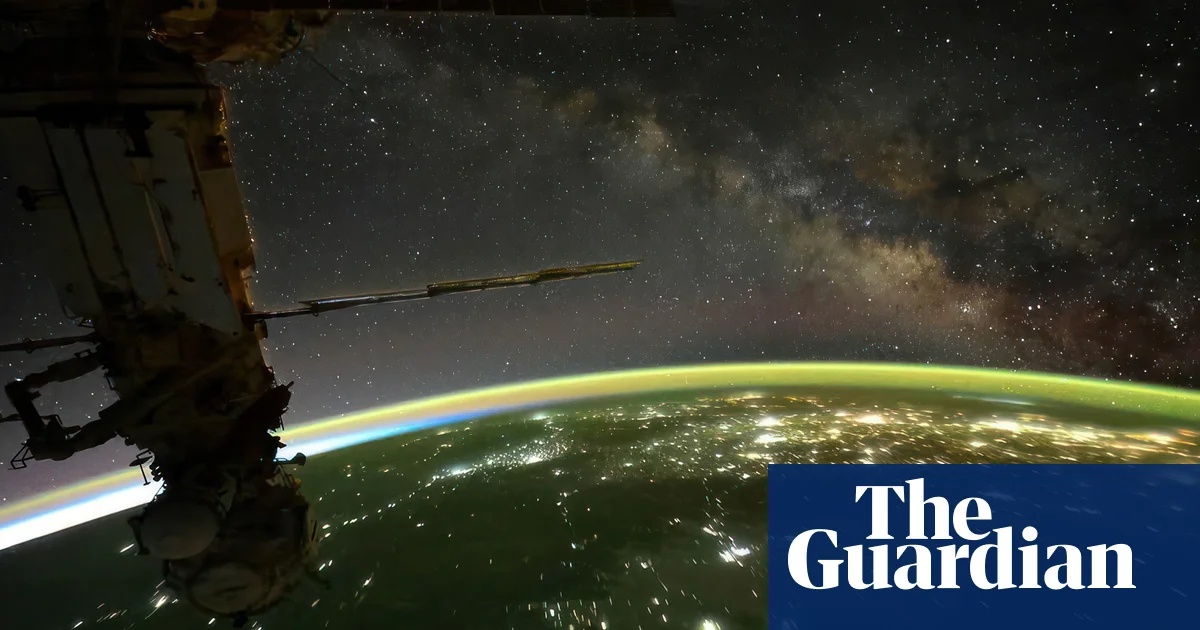
The article showcases the winners of the 2025 Milky Way Photographer of the Year, featuring stunning images of the night sky from around the world, including the Milky Way, meteor showers, lunar eclipses, and unique natural locations, captured by talented astrophotographers.
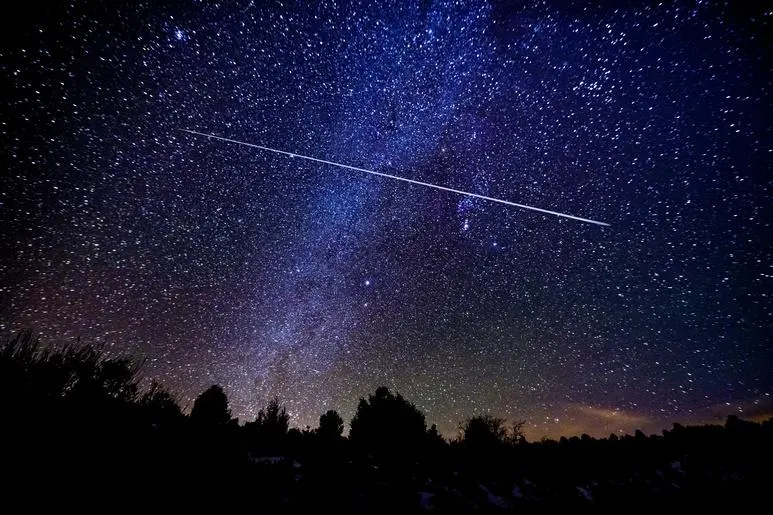
The Quadrantid meteor shower, one of the year's strongest but lesser-known meteor showers, begins on December 12, 2024, and runs through January 12, 2025. It peaks on January 3, 2025, offering up to 120 meteors per hour, including bright fireballs, under optimal conditions. The shower originates from the asteroid 2003 EH1 and is best viewed from dark, unobstructed locations away from city lights. Observers are advised to dress warmly, avoid using telescopes or binoculars, and minimize exposure to white light to preserve night vision.
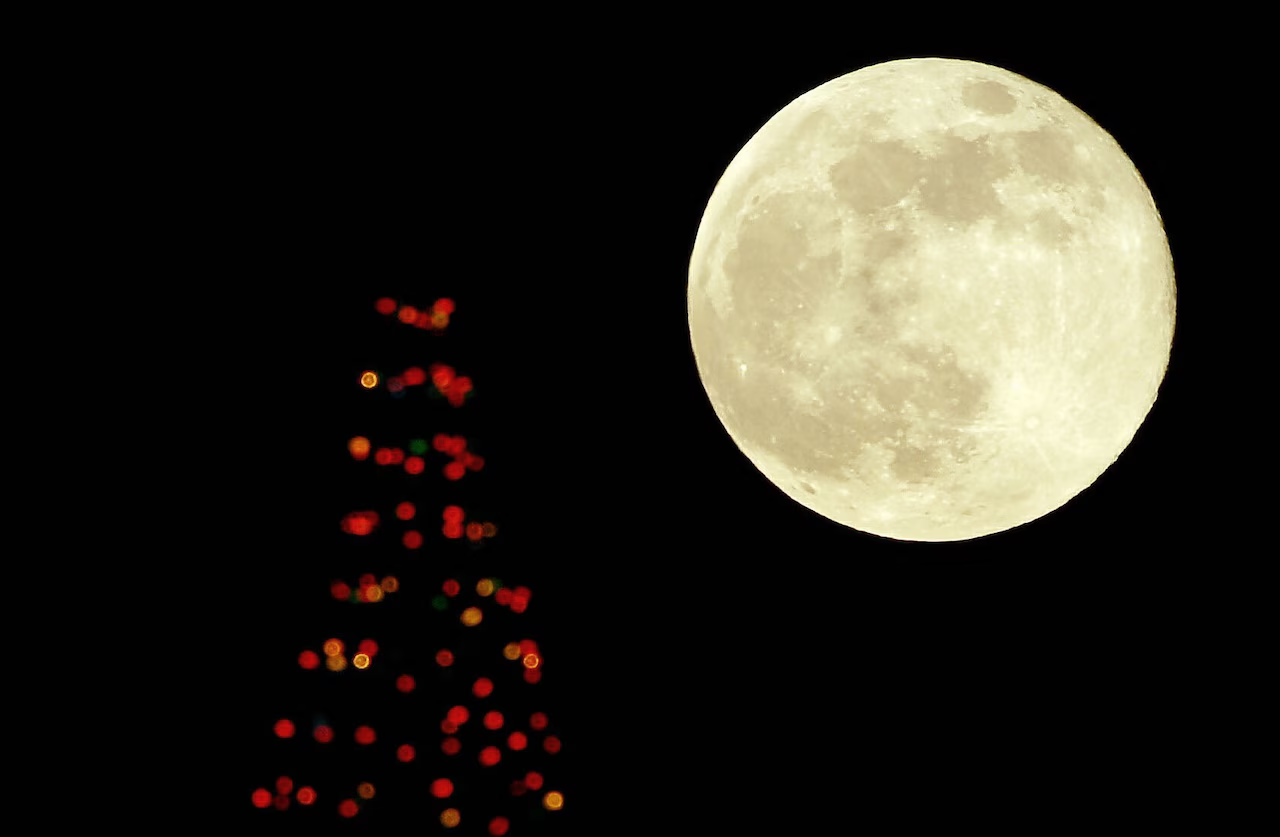
The December 2024 full moon, known as the "cold moon," will illuminate the sky this weekend, reaching its peak brightness early Sunday morning, December 15. Although it won't be a supermoon, it will still be a significant celestial event, coinciding with the Geminid meteor shower, which may be partially obscured by the moonlight. The "cold moon" nickname originates from Native American tribes, reflecting the onset of winter's chilly weather. The moon will be most visible in the northeastern U.S., with specific rise and set times provided for the New York City region.
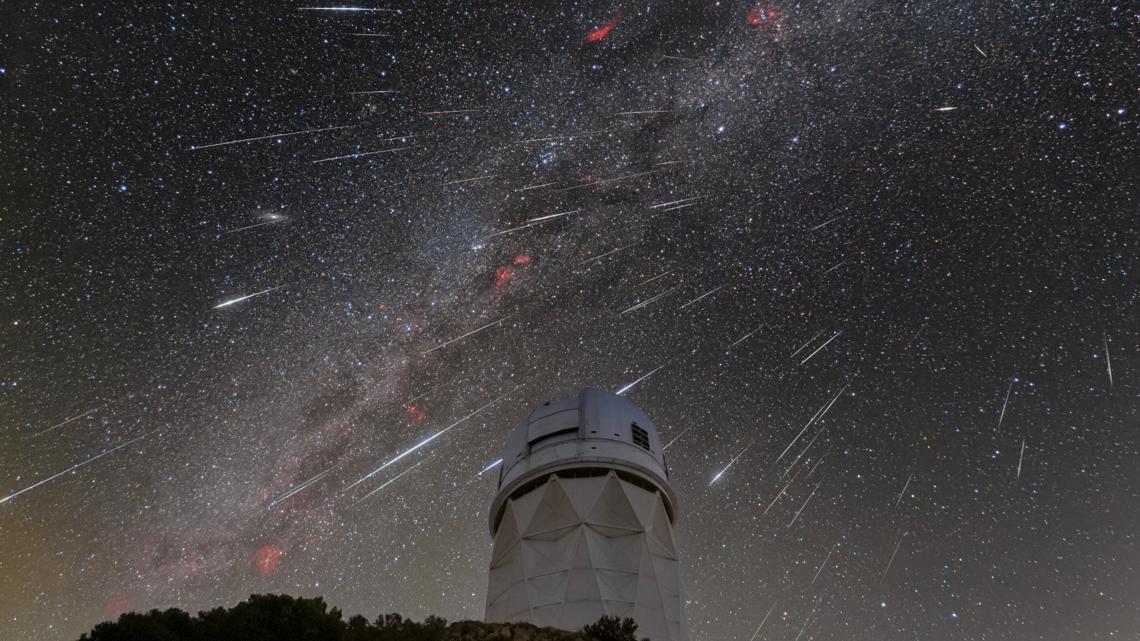
The Geminids meteor shower, one of the year's most impressive, will peak on December 13, 2024, but cloudy weather in central Indiana may hinder viewing. The best opportunities to see the meteors will be on the nights of December 11 and 12, when skies are expected to clear. For optimal viewing, find locations with minimal light pollution, such as areas south of I-70 or the Middle Fork River Preserve Forest in Illinois. The meteors will appear to originate from the constellation Gemini, visible in the northeastern sky.

Turuchan pikas, small mammals native to the mountainous regions of central Siberia, are known for their playful behavior, engaging in activities like swinging from branches and playing chase. These rock-dwelling creatures, covered in dense fur, are adapted to cold environments and have been observed participating in various types of play, including locomotor, object, and social play. This behavior, documented by Russian researchers, marks the first time such play has been observed in the Lagomorpha order, which includes rabbits and hares, suggesting that the pikas play purely for enjoyment.
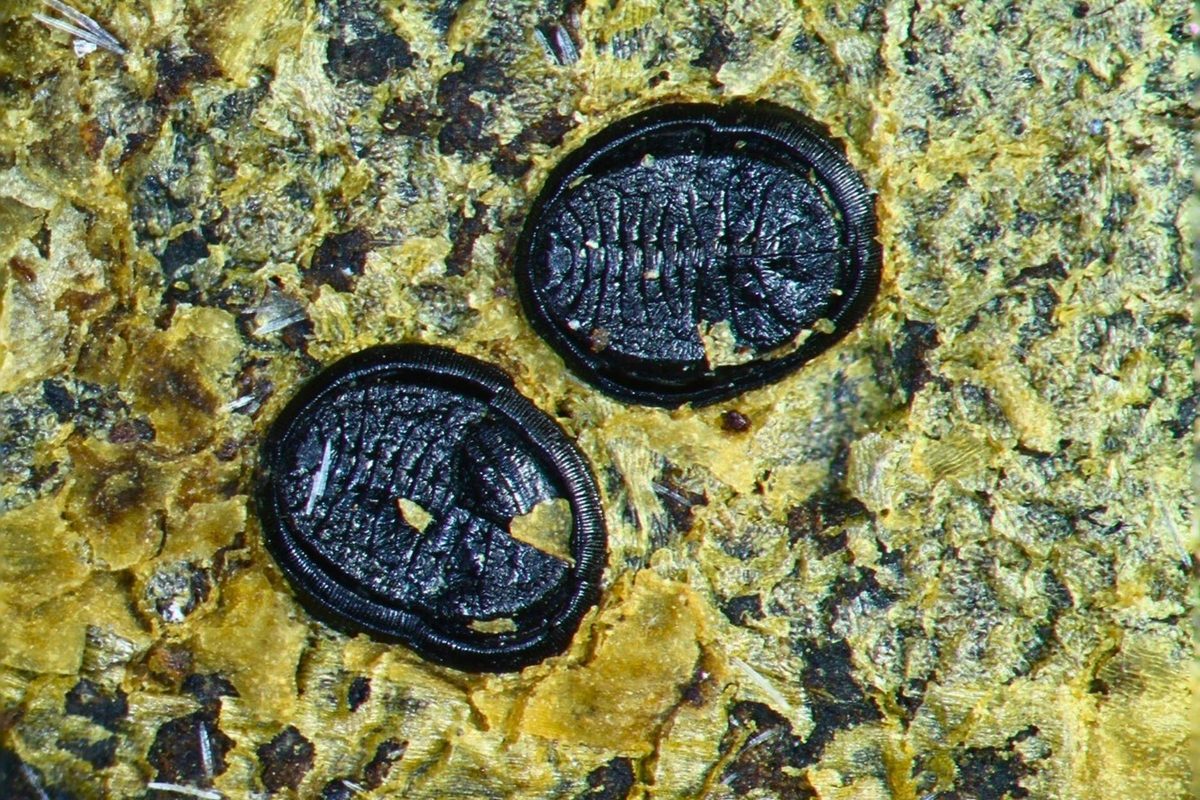
Researchers in New Zealand have discovered exceptionally well-preserved fossilized whiteflies from the Miocene period in a lake near Dunedin. These tiny insects, found attached to a fossilized leaf, offer a rare glimpse into the ancient biodiversity of the South Pacific. The discovery is significant as it represents the first of its kind in New Zealand and only the third globally, highlighting the importance of insects in understanding ancient ecosystems.

Researchers have discovered that slingshot spiders, found along Ohio's riverbanks, use a unique hunting technique similar to Roman gladiators by launching their webs at prey using sound detection. These spiders can detect the sound of approaching insects, like mosquitoes, and release their webs with remarkable speed and precision, intercepting prey in just 38 milliseconds. The study highlights the spiders' ability to compare vibrations through their webs and the air to accurately target their prey.

The Geminid meteor shower, the most prolific of the year, will peak on December 13 and 14, 2024, though visibility may be reduced due to a near-full moon. Caused by debris from asteroid 3200 Phaethon, the Geminids can produce up to 120 meteors per hour, best viewed away from artificial lights. The shower is active from December 2 to 21, with meteors often appearing bright and colorful. Following the Geminids, the Ursid meteor shower will peak on December 21 and 22, offering a more modest display.