Tag

Science And Nature

All articles tagged with #science and nature

G2 Solar Storm and New Moon Create Rare Aurora Australis Viewing Window Across Australia
science-and-nature3 days ago

G2 Solar Storm and New Moon Create Rare Aurora Australis Viewing Window Across Australia

A G2-class geomagnetic storm, triggered by recent solar flares, is expected to produce visible aurora australis displays across southern Australia on October 11 and 12. The event coincides with a new moon, providing optimal dark-sky conditions for observation in Tasmania, Victoria, and parts of New South Wales, South Australia, and Western Australia.


Lake Vostok: The Hidden Antarctic Giant That Outvolumes Four Great Lakes
science-and-nature11 days ago

Lake Vostok: The Hidden Antarctic Giant That Outvolumes Four Great Lakes

Lake Vostok, hidden beneath 4 kilometers of Antarctic ice, is smaller in surface area than all Great Lakes but holds more water than four of them combined. Discovered via radar in the 1990s and first accessed by drill in 2012, this ancient body of water remains liquid due to immense pressure and geothermal heat. It serves as a critical analogue for extraterrestrial oceans on moons like Europa and Enceladus, though its exact volume and dimensions remain subject to significant measurement error.

Jelly Bean and Rubber Ducky Isopods Gain Popularity as Exotic Pets
science-and-nature18 days ago

Jelly Bean and Rubber Ducky Isopods Gain Popularity as Exotic Pets

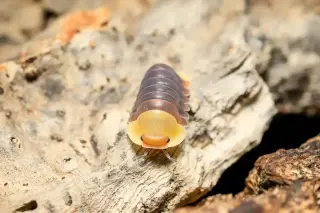
Jelly bean isopods, a rare color variety originating from Saint Lucia, and rubber ducky isopods from Thailand are emerging as popular pets among crustacean enthusiasts. Jelly beans come in various hues like orange and gold, while rubber duckies feature yellow markings resembling a duck. These creatures are sold for approximately $10 each on platforms like MorphMarket, with new breeds such as the 'blonde rubber ducky' emerging from selective breeding. Isopods, which predate dinosaurs, include over 10,000 species ranging from 0.3 millimeters to 20 inches in length. They are crustaceans, not insects, and possess unique biological traits, such as copper-based blood and the ability to excrete waste as ammonia gas. A notable deep-sea giant isopod in Japan survived without eating for five years, highlighting their resilience.

Maine Lobsterman’s Rare 'Cotton Candy' Catch Heads to University for Genetic Study
science-and-nature19 days ago

Maine Lobsterman’s Rare 'Cotton Candy' Catch Heads to University for Genetic Study

Bill Kirby, a veteran Maine lobsterman, caught an ultra-rare 'cotton candy' lobster in Searsport, Maine, on September 17, 2026. The crustacean, estimated to occur once in 100 million, was donated to the University of New England (UNE) for genetic research. Kirby, who has worked in the industry for over 40 years, prioritized the animal's safety and public visibility over commercial sale, reflecting a broader effort to protect the lobster industry's future. The catch highlights the ongoing scientific interest in rare color mutations, which UNE researchers are using to study gene expression and inheritance patterns in lobsters.

Fat Bear Week 2026 Kicks Off with 16 Contenders and a New Family-First Format
science-and-nature21 days ago

Fat Bear Week 2026 Kicks Off with 16 Contenders and a New Family-First Format

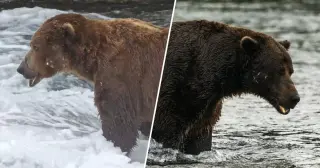
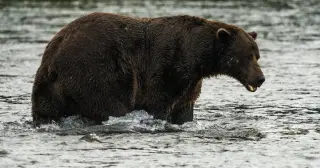
The 12th annual Fat Bear Week begins on September 22, featuring 16 brown bears at Katmai National Park in Alaska. The single-elimination tournament, which crowns the fattest bear to ensure winter survival, has expanded from 12 to 16 competitors this year. Notable contenders include defending champion Chunk, who has recovered from a broken jaw, and Bucky, a skilled fisher. Voting runs through September 29, with live streams available on Explore.org. The event has grown from a one-day local poll in 2014 to a global phenomenon, attracting over 1.7 million votes last year. This year’s format replaces individual cub competitions with family units, highlighting the challenges mothers face in fattening up while raising young.

Katmai’s 16th Fat Bear Week shifts focus to family survival
science-and-nature21 days ago

Katmai’s 16th Fat Bear Week shifts focus to family survival

Fat Bear Week 2026 begins Sept. 22 at Katmai National Park, featuring 16 brown bears competing in a single-elimination online tournament. The event, now in its 12th year, replaces individual cub contests with family units to highlight maternal challenges. Voting runs through Sept. 29, with last year’s champion, Bear 32 (Chunk), among the contenders.

Indonesian RetiCulated Python 'Ibu Baron' Sets New Wild Length Record at 7.22 Meters
science-and-nature23 days ago

Indonesian RetiCulated Python 'Ibu Baron' Sets New Wild Length Record at 7.22 Meters

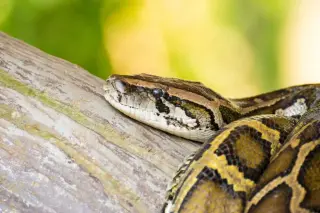
A female reticulated python named 'Ibu Baron' has been officially measured at 7.22 meters (23 feet 8 inches) in Indonesia's Maros region, setting a new record for the longest wild snake ever authenticated. Weighing 96.5 kilograms, the snake was rescued by conservationist Budi Purwanto and documented by experts who noted her true length could reach 7.9 meters if fully relaxed. The discovery highlights ongoing human-wildlife conflicts in Sulawesi, where shrinking habitats and poaching force pythons into closer contact with humans, prompting calls for stronger legal protections and habitat preservation.

Bolivian sanctuary cat identified as first new wild species in 100 years
science-and-nature23 days ago

Bolivian sanctuary cat identified as first new wild species in 100 years

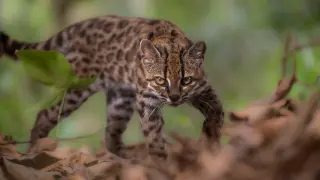
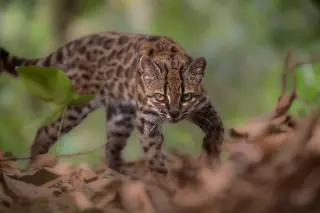
Scientists have identified a previously unknown wild cat species, Leopardus tilcayo, in Bolivia. The tiny, spotted feline, which had lived at a local wildlife sanctuary for years, is the first new living cat species described in over a century. Genetic analysis confirms it diverged from other tiger cats 1.4 million years ago, revealing that what was once thought to be a single species is actually five distinct ones.

Bolivia’s Cloud Forest Yields First New Wild Cat Species in Over a Century
science-and-nature25 days ago

Bolivia’s Cloud Forest Yields First New Wild Cat Species in Over a Century

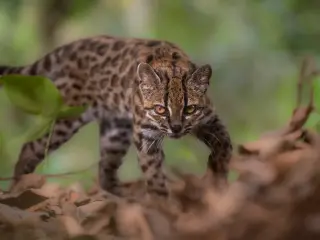
Scientists have formally identified a new wild cat species, Leopardus tilcayo, in Bolivia’s Yungas cloud forests. This discovery marks the first new living feline species described in over 100 years. The small, rosette-patterned cat was confirmed through DNA analysis, which also revealed that tiger cats comprise five distinct species rather than three. While only one living individual is currently known, researchers believe the population is larger but remains critically vulnerable to habitat loss.

Bolivian Cloud Forest Yields First New Wild Cat Species in Over a Century
science-and-nature25 days ago

Bolivian Cloud Forest Yields First New Wild Cat Species in Over a Century

Scientists have confirmed a new wild cat species, Leopardus tilcayo, in Bolivia's Yungas cloud forests. The discovery, based on DNA analysis of a 10-year-old cat named Tigrino, reveals that tiger cats comprise five distinct species rather than three. This finding, the first new feline species in over a century, highlights significant gaps in biodiversity knowledge and underscores the urgent need to protect vulnerable habitats in South America.

Kangaroo Carcass Study Reveals Seasonal Shifts in Apex Scavenger Feeding Preferences
science-and-nature25 days ago

Kangaroo Carcass Study Reveals Seasonal Shifts in Apex Scavenger Feeding Preferences

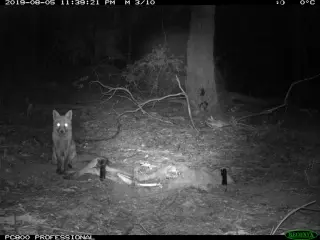
Researchers from the University of Sydney and the University of Glasgow placed 40 eastern grey kangaroo carcasses in Wolgan Valley, New South Wales, to study scavenger behavior. Using camera traps over 30 days, they observed that apex scavengers like dingoes and wedge-tailed eagles exhibit selective feeding habits, targeting specific body parts for non-protein energy. The study, published in Royal Society Open Science, found that these preferences shift with seasons and decomposition stages, a first for carnivores, while smaller mesoscavengers like red foxes showed less variation.

Leopardus tilcayo: The first new wild cat species in a century
science-and-nature25 days ago

Leopardus tilcayo: The first new wild cat species in a century

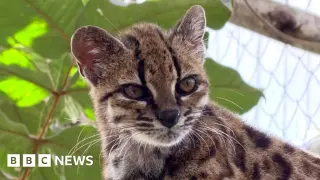
Scientists have officially described a new wild cat species, Leopardus tilcayo, found in Bolivia’s cloud forests. This marks the first new feline species identified in over 100 years. The animal, smaller than a house cat, was confirmed through genetic testing after being mistaken for a domestic kitten. Its discovery highlights the urgent need for conservation in the region’s rapidly disappearing habitats.

The 150-Year Shadow of a 19th-Century Silkworm Experiment
science-and-nature26 days ago

The 150-Year Shadow of a 19th-Century Silkworm Experiment

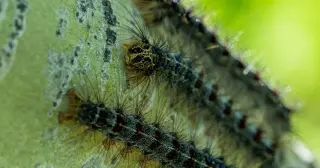
A 1869 accident in Massachusetts, where a French naturalist’s silkworm larvae escaped into the wild, led to the spongy moth becoming North America’s most costly forest pest. After a 20-year delay, the species defoliated 360 square miles and continues to strip over a million acres annually, costing the U.S. $868 million yearly.