
Loneliness Lowers Seniors' Memory Baseline, Not Decline Rate
TL;DR Summary
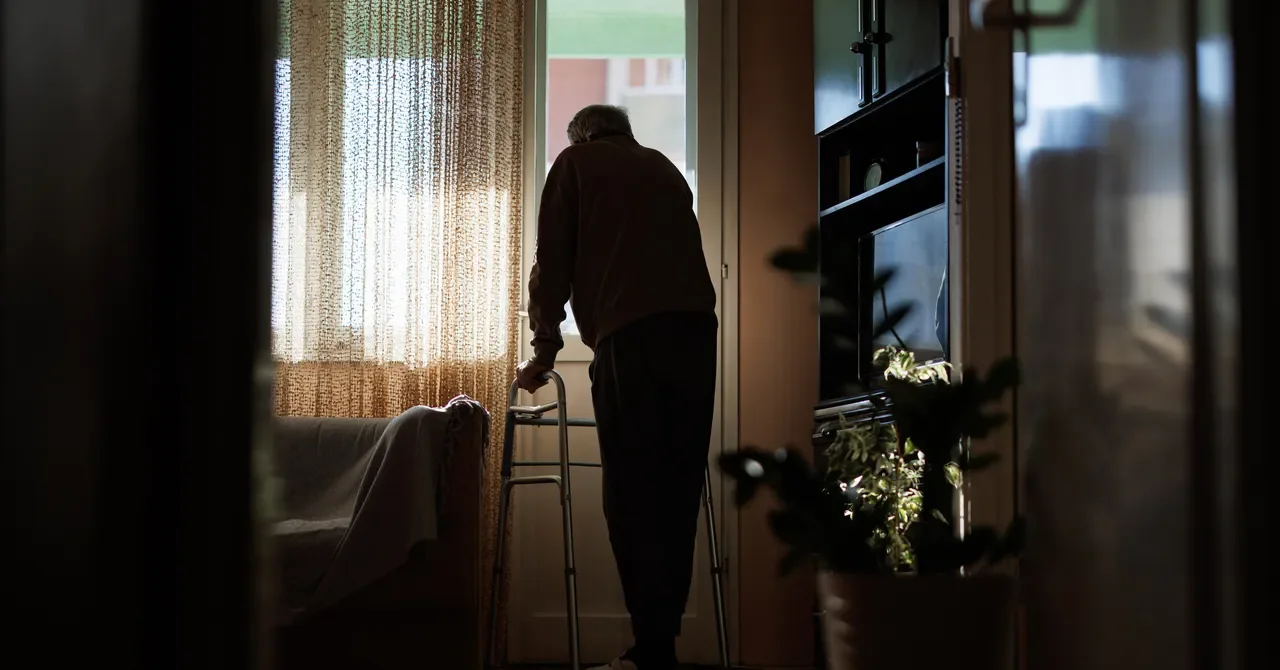
A six-year study of 10,217 Europeans aged 65–94 found that loneliness is linked to lower immediate and delayed memory scores at baseline, but does not speed up the rate of memory decline. Age is the main driver of decline, with depression and chronic diseases also reducing initial memory; regular physical activity improves baseline memory, providing a cognitive buffer. The findings highlight loneliness as a factor affecting initial cognitive performance rather than accelerating aging, underscoring the importance of addressing loneliness in aging populations.
- There’s New Evidence for How Loneliness Affects Memory in Old Age WIRED
- Loneliness can affect your memory – but that doesn’t mean it leads to dementia The Conversation
- Loneliness may be silently eroding your memory, new research reveals Fox News
- The Loneliness Paradox: Memory Deficits Without Accelerated Decline Neuroscience News
- This Could Be Negatively Impacting Memory As You Age, Study Finds MindBodyGreen
Reading Insights
Total Reads
0
Unique Readers
59
Time Saved
5 min
vs 5 min read
Condensed
92%
993 → 82 words
Want the full story? Read the original article
Read on WIRED