
Stanford grows half-human brain tissue in mice to model neurological disorders
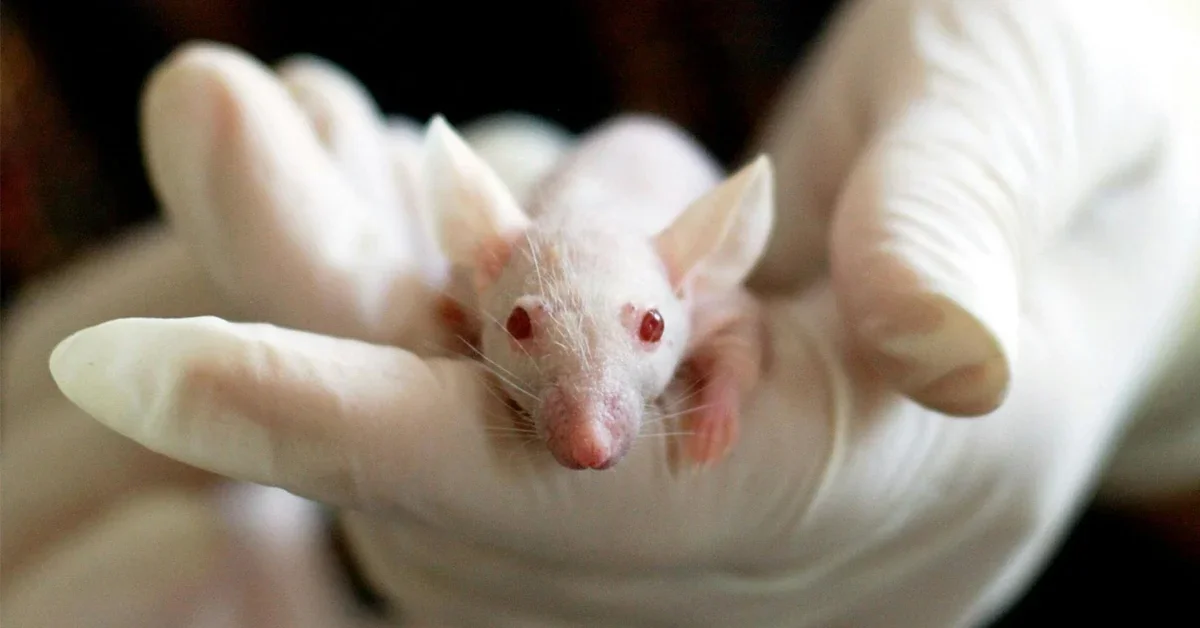
TL;DR Summary
Scientists at Stanford grafted human brain tissue derived from patient skin cells into mice engineered to have an underdeveloped cortex; in some animals the human tissue grew to about half the brain, connected to blood supply and forming some neural links with mouse cells. The model aims to study human brain disorders such as schizophrenia, epilepsy, cerebral palsy, intellectual disability, and dementias and to test potential interventions, but the tissue remains immature and did not enhance cognition. The work raises ongoing ethical questions about animal welfare and the validity of in vivo human-brain models.
- Scientists create living mice with half-human brains geekspin
- These Mice Have Partly Human Brains The New York Times
- Researchers have created a mouse with a partly human brain The Economist
- Developmental xenocortication using human-derived organoids in mice Nature
- Stanford University Scientists Implanted Lab Rats with Human Brain Tissue: Here’s Why — and What They Found People.com
Reading Insights
Total Reads
0
Unique Readers
7
Time Saved
3 min
vs 4 min read
Condensed
85%
616 → 94 words
Want the full story? Read the original article
Read on geekspin