
UCL Researchers Identify Lymphatic-Like Channels for Brain Waste Clearance
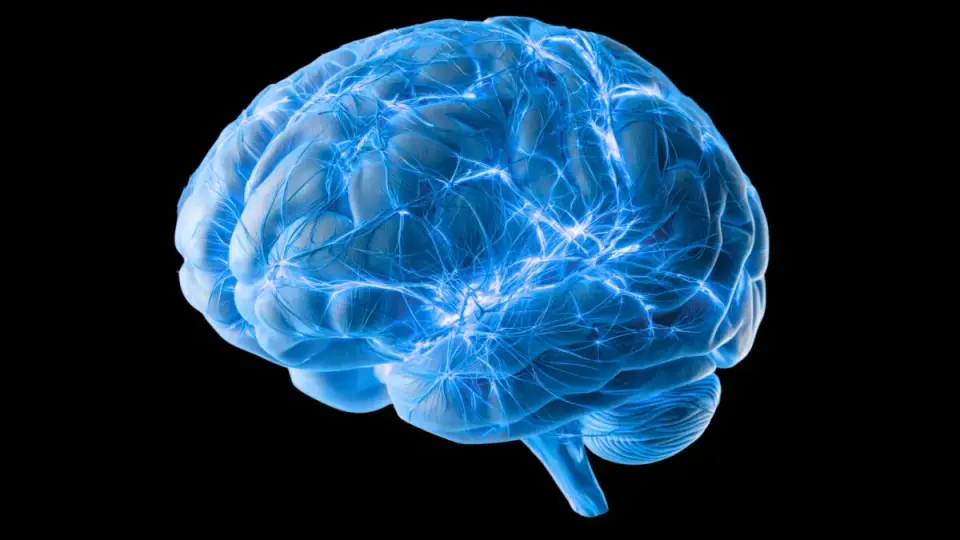
Researchers at University College London have identified a previously unknown network of microscopic channels in the brain that may facilitate the removal of toxic proteins. This discovery, detailed in a preprint on bioRxiv, suggests a new mechanism for clearing waste like amyloid beta and tau, potentially offering insights into Alzheimer's disease progression.
Key points
- University College London scientists discovered a mesh of tiny channels, approximately 2 micrometers wide, that transport proteins toward the brain's surface.
- The channels appear to be formed by fibroblastic reticular cells, similar to those found in lymph nodes outside the brain.
- In mouse experiments, fluorescently labeled tau and amyloid beta moved through these channels, reaching the brain's surface in as little as 7.5 minutes.
- The study found that proteins traveled through both arteriole walls and venules, suggesting these routes may be part of a shared clearance network.
- Human brain tissue from five tumor surgery patients showed similar channel structures, though the study notes these cannot confirm function in living humans.
- The findings are currently a preprint and have not undergone peer review; the mechanism driving fluid movement remains unknown.
Background
This discovery adds to ongoing efforts to understand brain waste clearance, a critical area for Alzheimer's research. Previous studies have explored fluid movement along blood vessels and the glymphatic system, but the specific cellular structures facilitating this transport were not fully mapped. This new finding provides a potential link between existing theories of waste removal, offering a new target for investigating how impaired transport might contribute to neurodegenerative diseases.
Why it matters
Understanding how the brain clears toxic proteins is essential for developing treatments for Alzheimer's disease. If impaired flow through these channels contributes to protein accumulation, therapies that enhance this pumping mechanism could potentially prevent or slow disease progression. This research provides a new structural target for future studies on brain health and disease prevention.
What to watch
Researchers must determine how proteins enter these channels and what drives the fluid movement, as the current mechanism is unknown. Future studies will need to confirm if these channels function similarly in living humans and whether altering their flow can impact Alzheimer's disease outcomes. The current study does not test treatments or demonstrate improvements in memory.
Want the full story? Read the original reporting
Read on ScienceAlert