
First Confirmed Lemur Herpes Cases Linked to Yoga Classes
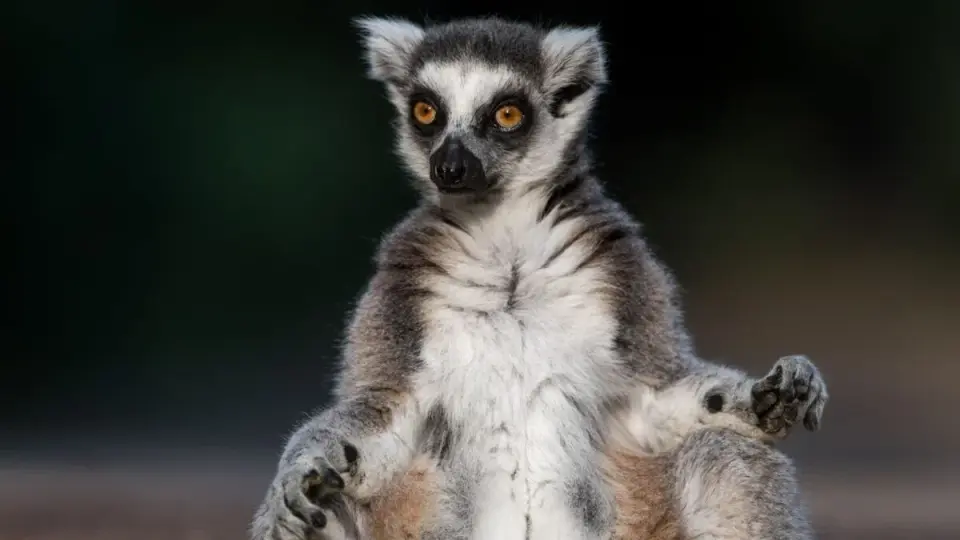
Veterinary researchers at the University of Florida confirmed the first molecularly verified cases of herpes simplex virus type 1 (HSV-1) in lemurs, resulting in fatal encephalitis for all four affected animals. The study, published in the Journal of Zoo and Wildlife Medicine, highlights that while HSV-1 is typically benign in humans, it is lethal for primates lacking natural immunity. One case was traced to a public 'lemur yoga class,' illustrating the risks of unregulated human-wildlife contact. The findings emphasize the need for strict biosecurity measures and education for caretakers to prevent similar outbreaks in privately owned lemurs.
Key points
- University of Florida researchers confirmed the first molecularly tested cases of HSV-1 in lemurs, marking a significant veterinary finding.
- All four affected lemurs, including ring-tailed and ruffed lemurs, died despite treatment with standard antivirals used for human HSV-1.
- The virus caused severe neurological symptoms, including seizures and brain inflammation, in animals that are not naturally immune to human herpesviruses.
- One infection was linked to a public yoga class, highlighting the danger of high-contact interactions between humans and wildlife in unregulated settings.
- The study underscores that humans can be dangerous vectors for pathogens, urging stricter biosecurity protocols for anyone handling primates.
Background
This development follows broader discussions on zoonotic risks and the importance of biosecurity in wildlife interactions. While previous reports suspected HSV-1 in lemurs, this is the first time molecular testing has confirmed the diagnosis. The case serves as a stark reminder of the asymmetry in viral impact between humans and their primate relatives, a theme often explored in discussions about evolutionary biology and public health safety.
Why it matters
The findings demonstrate that common human viruses can be fatal to wildlife, particularly in settings with high human contact like tourist attractions. This underscores the critical need for biosecurity measures and education for caretakers to protect vulnerable animal populations from human-borne pathogens.
What to watch
Veterinarians are urged to include HSV-1 in their diagnostic considerations for lemurs showing signs of encephalitis or oral ulcers. Researchers recommend implementing stricter biosecurity measures and educating caretakers to minimize the risk of transmission in both private and public settings.
Want the full story? Read the original reporting
Read on Gizmodo