
The Rise of 'Fambushing': How Teens Are Tracking Their Parents Back
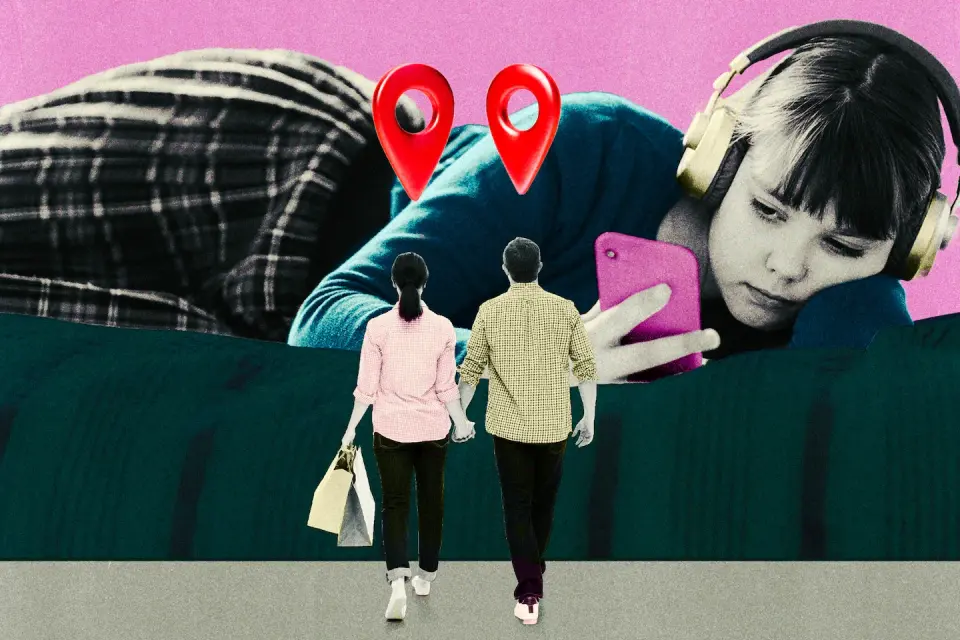
A new trend called 'Fambushing' is emerging as children use location-sharing apps to monitor their parents' movements. While parents track about one-third of their children’s locations, teens often check their parents' whereabouts more frequently, creating a dynamic of mutual surveillance that can impact family trust and mental health.
Key points
- Parents are increasingly using location-sharing apps to monitor their children's safety and whereabouts.
- Children are reciprocating this behavior by tracking their parents, a phenomenon dubbed 'Fambushing'.
- Studies indicate that while roughly 30% of parents track their kids, teens often check their parents' locations more often.
- Experts warn that constant monitoring can lead to anxiety and privacy concerns for both parties.
- Families are advised to establish clear boundaries and trust to mitigate the negative effects of digital surveillance.
Background
This development follows broader discussions on digital privacy and the use of location data. In 2026, the Supreme Court ruled that police require a warrant to obtain Google location data, highlighting the legal sensitivity of geolocation. Additionally, earlier reports in 2025 and 2026 have explored the tensions arising from ex-partners tracking shared children via phones, underscoring the growing reliance on digital tools for monitoring in family relationships.
Why it matters
The shift from one-way parental monitoring to mutual tracking reflects a changing power dynamic in family relationships. It raises significant questions about privacy, autonomy, and the psychological impact of constant surveillance on both parents and children, potentially eroding trust if not managed with clear expectations.
What to watch
Families may need to develop new norms for digital interaction, balancing safety concerns with the need for privacy and trust. Experts suggest open conversations about location-sharing settings to prevent anxiety and ensure that technology supports rather than undermines family relationships.
Want the full story? Read the original reporting
Read on The Washington Post