DeepSeek rolls out refreshed AI model in China
China's DeepSeek has released an update to its AI model used in its smartphone apps, signaling ongoing AI development and deployment in the Chinese tech sector.
All articles tagged with #mobile apps

China's DeepSeek has released an update to its AI model used in its smartphone apps, signaling ongoing AI development and deployment in the Chinese tech sector.

Apple has moved to crack down on AI-driven vibe-coding platforms such as Replit and Vibecode, telling developers that their code-running features violate App Store rules that prohibit apps from altering how they or other apps function. The crackdown prevents updates to mobile apps unless changes are made and comes as vibe-coding tools could help create web apps not listed in the App Store, posing a potential threat to Apple’s App Store revenue.

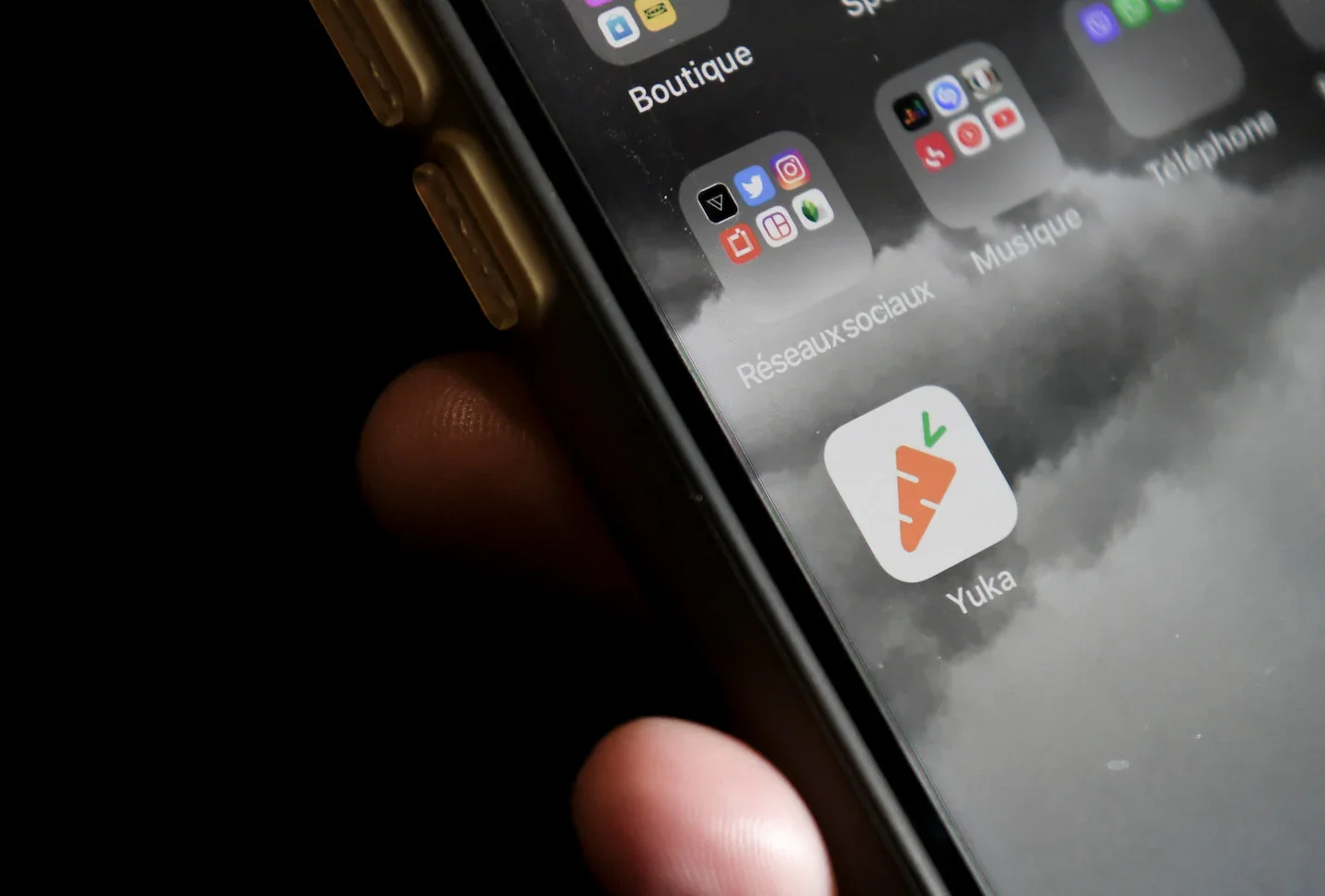
A Washington Post climate column outlines how the Yuka food-scanning app rates processed foods by nutrition, additives, and organic certification, empowering consumers to pressure brands toward healthier reformulations; the piece highlights Julie Chapon’s experience discovering a Nestlé Fitness cereal contained sugar despite years of healthy-label assumptions.

Google Translate for iOS and Android now includes AI-driven features that display alternative translations and the tone for each option, plus quick prompts like 'Understand' and 'Ask' to help with usage; the updates are rolling out in the US and India with desktop support planned for later.

A large new report by gaming-industry advisory firm Epyllion argues that mobile apps—ranging from social media and online betting to AI-based tools—are drawing users away from traditional video games, signaling a post-pandemic shift in how people spend their time and money and posing a challenge for game publishers as attention spans shrink and live-service models gain prominence.

Being No. 1 on the App Store is a powerful, attention-grabbing badge that can spark meetings and buzz, but it’s usually fleeting and doesn’t guarantee lasting user growth or revenue. The piece uses Focus Friend and Sora as examples to show that most top-ranked runs are short (often 10 days or fewer), driven by launches, promotions, or major events, and that the real value lies in building durable products rather than chasing viral spikes.

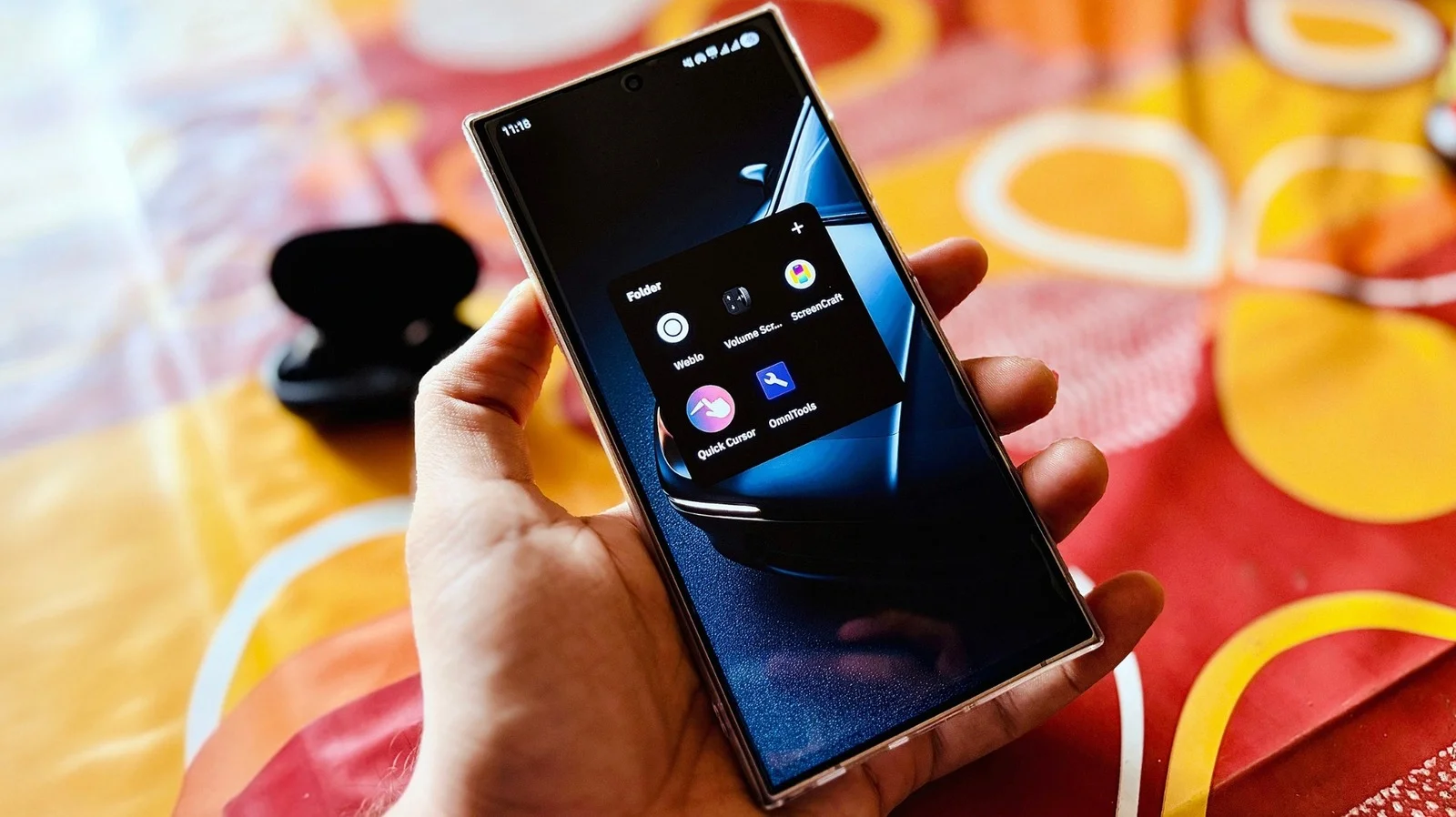
SlashGear highlights 10 underrated Android and iOS apps that boost daily phone use beyond the usual suspects, from ergonomic helpers Volume Scroll and Quick Cursor to visual tools Screencraft and Random Wallpaper 8K, privacy-focused Weblo, all-in-one productivity suite OmniTools, on-device video editor Editor Pro, cross-platform music sharing with Crossfade, offline PDF editing with PDF Fox, and Dynamic Lyrics that sync lyrics to the lock screen and CarPlay.

A report shows a large swath of apps in the App Store transmit users’ data to a sprawling array of advertising and tracking vendors. Collected data include IP addresses, device identifiers, probabilistic IDs, location (precise and non-precise), browsing and interaction data, and user profiles, with many vendors using cookies for extended periods (months to years) or other storage. Consent models vary, some vendors claim legitimate interest while others state they don’t use cookies, and privacy policies differ across providers. The result is data flowing from millions of users to numerous ad-tech networks, underscoring privacy concerns about cross-app data sharing and the transparency of storage and consent practices.

Nintendo has launched multiple apps for its Switch ecosystem, including store, music, news, and parental controls, which many users find overwhelming and redundant, raising concerns about app management and user experience. The company’s approach to app deployment reflects its unique strategy in the gaming industry, but the proliferation of apps may lead to user frustration and calls for consolidation.

The article highlights four free iPhone apps that are genuinely worth trying, providing useful options for users looking to enhance their mobile experience.

BlackBerry Messenger (BBM) revolutionized mobile communication by eliminating carrier costs and introducing a comprehensive 'everything app' that included features like music sharing and social posting, but ultimately declined due to device lock-in and changing industry dynamics, leaving a lasting legacy in messaging history.

Despite the rise of unicorn vibe coding startups, dedicated mobile apps for vibe coding have struggled to gain traction, with only a few downloads and minimal revenue, though the technology is increasingly integrated into existing apps and developer interest remains high.

A new app called "My Classic – Retro Console" transforms iPhones into retro iPod Classics, offering a nostalgic experience for users. Priced at $3, the app mimics the iPod's interface, including a virtual scroll wheel and Cover Flow view, using music from the Apple Music library. While it doesn't add new features, it simplifies music interaction, encouraging users to revisit their saved albums. The app taps into nostalgia, reminiscent of the early iPod days, making it a charming addition for those longing for simpler tech times.

Google Photos is undergoing significant changes, replacing the Library with a "Collections" menu in its web browser interface, aligning it with recent updates to its mobile apps. The Explore function has been removed, and a new Updates section has been added to track sharing activity and notifications. The Collections section now includes subsections like People & Pets, Places, and Recently Added, making it easier to access commonly used features. The update is rolling out gradually across accounts.

Google has launched a new feature for Google Lens that helps users make informed purchasing decisions while shopping in physical stores. By taking a picture of an item, users can access detailed product information, customer reviews, and price comparisons. This feature, available for Android and iOS users in the US, leverages AI image recognition and requires location data to identify the store. Initially, it supports beauty products, toys, and electronics in stores like Macy's, Target, and Walmart. This tool aims to boost shopper confidence and reduce instances of leaving stores empty-handed.