
Iowa’s 2026 Midterms: Cancer Outpaces Cost of Living as Top Voter Concern
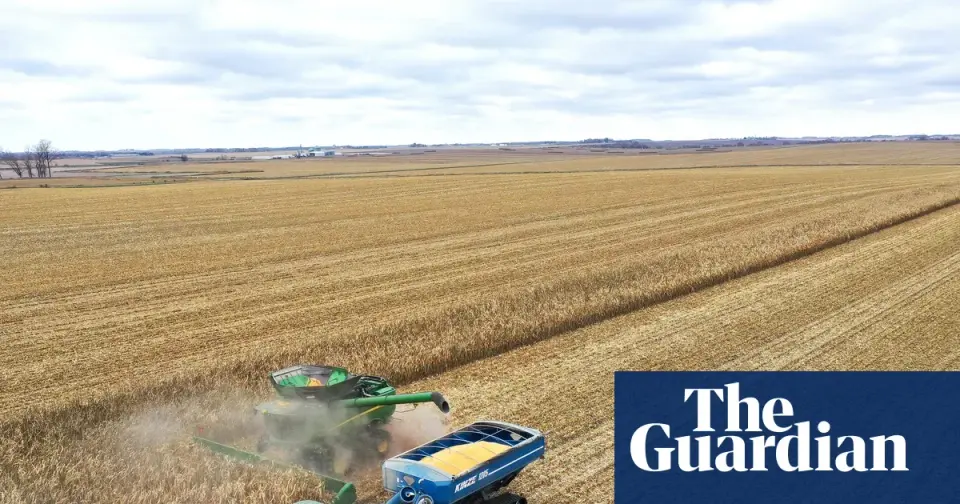
Iowa’s 2026 midterm elections are being defined by a health crisis rather than economic inflation. The state has the second-highest cancer rate in the US, with rates rising since 2012. Candidates across party lines are prioritizing this issue, but they differ significantly on whether industrial agriculture and chemical use are the primary causes. While Democrats propose stricter regulations and a shift away from corn ethanol, Republicans focus on incentivizing voluntary farmer changes and blaming chemical manufacturers. This debate has overshadowed cost-of-living concerns, which remain high but are secondary to the perceived health emergency.
Key points
- Iowa has the second-highest cancer incidence rate in the US, with 506 cases per 100,000 people in 2022, compared to the national average of 442.
- Cancer is the top issue for Iowa voters, surpassing cost of living, according to recent surveys cited by the Iowa Environmental Council.
- The state’s cancer rates began diverging from national trends in 2012, with specific spikes in non-Hodgkin lymphoma and acute myeloid leukemia.
- Iowa leads the nation in fertilizer use and concentrated animal feeding operations (CAFOs), contributing to high nitrate levels in waterways.
- Des Moines implemented its first-ever lawn watering ban in 2025 and again in 2026 due to near-record nitrate levels in its water supply.
- Gubernatorial candidates Zach Lahn (R) and Rob Sand (D) both oppose a recent Supreme Court ruling that makes it harder to sue Roundup manufacturers for cancer-related claims.
Background
Iowa’s agricultural sector has faced significant economic pressure in 2026, with farmers dealing with rising input costs, low crop prices, and policy uncertainty since the last farm bill in 2018. While national concerns focus on inflation and the Iran conflict, Iowa’s local political discourse has shifted toward health and environmental sustainability. The state’s demographic profile, which is 87.7% white, contributes to high melanoma rates, but the broader cancer crisis is linked to environmental factors. Previous archive coverage noted that while some crops like corn benefit from supply-demand dynamics, many farmers feel the promised 'golden age' of agriculture has not materialized, leading to a growing disconnect between the agricultural lobby and the general public.
How outlets are covering it
The Guardian emphasizes the political consensus on cancer as a top issue but highlights the sharp divide on causation. Republicans, like gubernatorial candidate Zach Lahn, blame chemical manufacturers and advocate for incentivizing farmers to change practices, while Democrats, like Rob Sand, propose stricter management of manure and conservation programs. The Iowa Environmental Council argues that the state’s lack of regulations on pesticide runoff is a primary driver of the crisis. KCCI focuses on melanoma specifically, attributing high rates to the state’s predominantly white population (87.7%) and rising incidence since 1992, rather than agricultural chemicals. AgUpdate, though largely obscured by technical code in the source, tags the story with 'cancer screening' and 'agriculture,' suggesting a focus on preventive measures and the intersection of farming practices with health outcomes. The Guardian and the Iowa Environmental Council view the issue as a systemic failure of state leadership, while KCCI presents a more demographic and preventive health perspective.
Why it matters
Iowa’s election outcomes could influence national agricultural and environmental policy. The state’s high cancer rates and water quality issues are linked to its status as a top producer of corn and pork. If Democrats gain control of key House districts or the governorship, they may push for stricter regulations on CAFOs and pesticide use, potentially impacting the national supply chain. Conversely, Republican victories could maintain the current voluntary approach to nutrient reduction, which critics argue is insufficient. The outcome also signals a shift in voter priorities, with health and environmental safety overtaking economic concerns in a key battleground state, potentially influencing the broader 2026 midterm narrative.
What to watch
The 3 November 2026 elections will determine control of Iowa’s four US House districts and the governorship. The results will likely dictate the state’s approach to water quality and agricultural regulation. If the Democratic candidate Rob Sand wins the governorship, he may implement stricter manure management and conservation programs. If Republican Zach Lahn wins, he may focus on incentivizing voluntary changes and holding chemical manufacturers accountable. The 'Lobe Rangers' and other farmers are expected to continue their voluntary adoption of nutrient-reduction strategies regardless of the election outcome, as they view the current political inaction as insufficient. The state’s cancer rates and water quality will be closely monitored in the coming years to assess the effectiveness of any new policies.
Want the full story? Read the original reporting
Read on The Guardian