
NTSB recovers voice recorder from Learjet crash that killed 9 in Florida
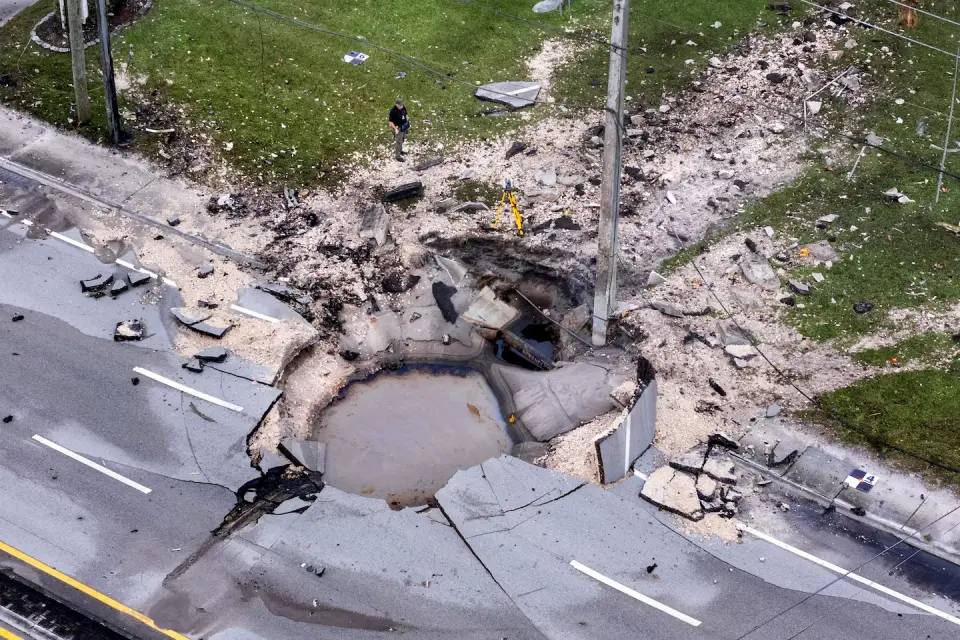
The National Transportation Safety Board (NTSB) has recovered the cockpit voice recorder (CVR) from the crash site of a Learjet 60 that killed nine people in Palm Beach County, Florida, on November 1. The device, found at the initial impact location, is being evaluated at a laboratory in Washington, D.C., to determine if it contains audio data. This recovery follows the retrieval of other critical components, including parts of the left elevator found miles from the crash site, which suggest the aircraft broke apart before impact. Investigators are focusing on severe weather, including icing and turbulence, as potential contributing factors to the crash.
Key points
- The NTSB recovered the CVR from the Learjet 60 crash site in Greenacres, Florida, on November 9, 2026.
- The CVR is being evaluated at the NTSB Vehicle Recorders Laboratory in Washington, D.C., to check for functionality and audio data.
- Aviation safety expert Jeff Guzzetti noted that the device appeared to be in good shape based on photos, suggesting data may have survived.
- Investigators previously recovered parts of the left elevator found 1.3 to 3.8 miles from the crash site, indicating the aircraft broke apart before impact.
- The NTSB is examining severe weather conditions, including icing and turbulence, as well as the aircraft's maintenance history and pilot decisions.
- A preliminary report is expected in about a month, with a probable cause determination taking one to two years.
Background
The Learjet 60 crashed on November 1, 2026, near Greenacres, Florida, killing all nine people on board, including Austin tech entrepreneur Adam Robinson and 20-year-old co-pilot Nathalia Filgueiras. The aircraft was en route from Austin, Texas, to North Eleuthera Airport in the Bahamas. Prior to the crash, the pilot reported rain, ice, and moderate turbulence, and the co-pilot requested a climb to 37,000 feet. The NTSB has been investigating the crash, focusing on severe weather and potential mechanical failures.
How outlets are covering it
The Washington Post, CNN, ABC News, and Flying Magazine all report on the recovery of the CVR and the ongoing investigation. The Washington Post and ABC News emphasize the condition of the CVR and the potential for data recovery. CNN and Flying Magazine highlight the broader context of the investigation, including the recovery of other aircraft parts and the role of severe weather. All sources agree on the significance of the CVR in determining the cause of the crash, but they differ in their emphasis on specific details, such as the condition of the device and the timeline for the investigation.
Why it matters
The recovery of the CVR is a critical step in determining the cause of the crash, which could provide insights into the role of severe weather and potential mechanical failures. The findings could have implications for aviation safety regulations and practices, particularly regarding icing and turbulence. The investigation is expected to take one to two years, and the preliminary report is due in about a month.
What to watch
The NTSB will continue to analyze the recovered CVR and other aircraft parts to determine the cause of the crash. The agency is expected to release a preliminary report in about a month, with a probable cause determination taking one to two years. The NTSB is also asking the public to contact them if they have found any debris from the crash site.
- Cockpit voice recorder recovered from Florida jet crash that killed 9 The Washington Post
- Investigators recover cockpit voice recorder from fatal Learjet crash site CNN
- Investigators recover the voice recorder from a jet crash in Florida that killed 9 ABC News - Breaking News, Latest News and Videos
- Black Box and Parts of Crashed Learjet’s Wings, Engines Recovered FLYING Magazine
- Voice recorder from fatal Florida jet crash found, NTSB says USA Today
Want the full story? Read the original reporting
Read on The Washington Post