
USDA Marks Billionth Sterile Fly Release as Texas Screwworm Cases Remain Low
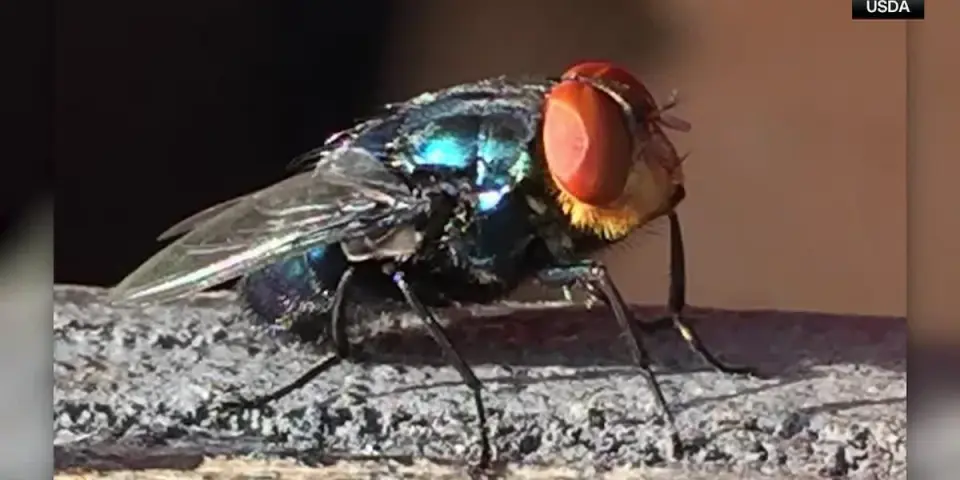
The USDA has released its billionth sterile fly in Texas to combat the New World screwworm, a pest that was previously eradicated in the U.S. but has re-emerged. As of August 16, 2026, federal agencies confirmed 47 cases, with 46 in Texas and one in New Mexico. The sterile insect technique aims to disrupt the pest's breeding cycle by releasing sterile males that mate with wild females, preventing offspring. While fewer than 50 cases have been recorded this year, the Trump administration is ramping up production. CBP is supporting the effort by facilitating the movement of sterile flies from Panama and training personnel. The public is urged to report suspected cases to animal health authorities.
Key points
- USDA released its billionth sterile fly in Texas to fight the New World screwworm.
- As of August 16, 2026, 47 NWS cases were confirmed in the U.S., including 46 in Texas and one in New Mexico.
- The sterile insect technique works by releasing sterile male flies to interrupt the pest's reproductive cycle.
- CBP facilitated 96 shipments of sterile flies from Panama through Texas and New Mexico airports.
- The Trump administration is working to increase sterile fly production to combat the threat.
Background
The New World screwworm was eradicated in the U.S. decades ago using the sterile insect technique. In June 2026, the USDA reported its first U.S. cases in years. Earlier coverage noted the use of drones for surveillance and the reopening of the Arizona-Sonora border to cattle. The current response involves a coordinated federal effort, including CBP and USDA, to prevent the spread of the pest.
How outlets are covering it
CNN and KY3 emphasize the milestone of the billionth sterile fly release and the low number of cases (fewer than 50) this year, framing the situation as a manageable threat. Beef Magazine, citing CBP, highlights the logistical and operational support from CBP, including the facilitation of 96 shipments of sterile flies and personnel training. Both sources agree on the effectiveness of the sterile insect technique but differ in focus: CNN focuses on the scale of the release and the low case count, while Beef Magazine details the cross-border logistics and CBP's role in the response.
Why it matters
The New World screwworm poses a significant threat to livestock, wildlife, and pets, potentially causing severe and even deadly harm. The re-emergence of the pest in the U.S. after decades of eradication underscores the importance of the sterile insect technique and the coordinated federal response. The low number of cases so far suggests the current efforts are effective, but the threat could grow if not managed. The economic impact on agriculture and the broader economy is a key concern, as the pest can affect cattle herds and beef prices.
What to watch
The USDA is ramping up sterile fly production to combat the threat. CBP is continuing to facilitate the movement of sterile flies and training personnel. The public is encouraged to report suspected cases to animal health authorities. New sterile-fly facilities are planned in Moore Air Base, Texas, and Douglas, Arizona, to support the response. Cross-border efforts with Panama and Mexico will continue to prevent the spread of the pest.
- Government released its billionth fly. Here’s why KY3
- Texas releases 700 million sterile flies that glow under UV to stop flesh-eating screwworm Yahoo
- USDA Sets Dates for New World Screwworm Response Playbook Reviews Meatingplace
- 2 New World screwworm quarantine areas lifted in Texas, congressman says KXAN Austin
- CBP supports federal response to New World screwworm threat Beef Magazine
Want the full story? Read the original reporting
Read on KY3