
Record El Niño Drives California Sea Levels and Warming Waters to Historic Highs
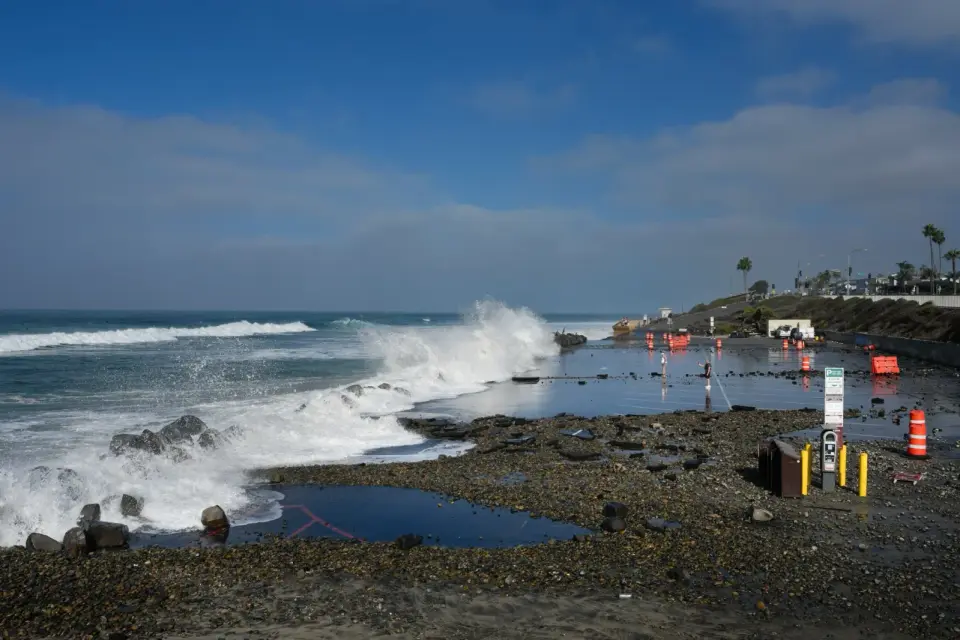
Scripps Institution of Oceanography reports record-high local sea levels and water temperatures in San Diego, driven by a potentially historic El Niño. NOAA forecasts a wetter, warmer winter for the U.S. South and East Coast, while California faces severe erosion risks during king tides.
Key points
- Scripps scientists warn that the current El Niño is among the strongest ever recorded, tilting odds toward extreme weather but not guaranteeing specific outcomes.
- San Diego’s Scripps Pier recorded 51 days with record-high surface water temperatures this year; October 8 tied a 110-year record at 73.6 degrees.
- Warmer waters may raise local sea levels by 6 to 12 inches, exacerbating flooding during king tides scheduled for late October, November, December, and January.
- NOAA’s winter outlook predicts warmer temperatures in the northern U.S. and wetter conditions in the South and East Coast, with drought improving in many regions.
- Coastal infrastructure, including the LOSSAN rail corridor and highways in Carlsbad and Oceanside, faces heightened risks from erosion and flooding.
Background
Recent archive entries note that August 2026 set records for atmospheric water vapor and that Antarctic ice loss is committed to rising sea levels by 2100. In October, California declared a statewide emergency due to the high probability of extreme El Niño impacts, and Pacific Northwest coasts faced similar threats.
How outlets are covering it
Scripps researchers emphasize local impacts, such as kelp decline and marine species shifts, while NOAA focuses on broad national patterns, predicting warmer winters in the North and wetter conditions in the South. Newsday highlights uncertainty regarding snowfall totals on the East Coast, noting that while precipitation may increase, warmer temperatures could shift storms from snow to rain. All sources agree on the strength of the El Niño but differ in focus: Scripps on local ocean data, NOAA on continental forecasts, and Newsday on regional winter variability.
Why it matters
The convergence of record ocean temperatures, rising sea levels, and a strong El Niño creates significant risks for coastal infrastructure, ecosystems, and communities. Accurate forecasting remains limited beyond a few days, making long-term preparedness and infrastructure resilience critical for mitigating potential disasters.
What to watch
NOAA will release its next three-month outlook on November 19. Local governments in San Diego County are reviewing flood-response procedures and clearing storm drains. King tides are expected to peak on October 27, November 24, December 24, and January 22, with potential for severe erosion if storms coincide.
- What can we expect from El Niño? Scientists say brace for the worst. San Diego Union-Tribune
- El Nino looms large over U.S. Winter Outlook National Oceanic and Atmospheric Administration (.gov)
- NASA satellites observe historic 2026 El Niño Phys.org
- What El Niño could mean for Louisiana's winter weather WWLTV.com
- Long Island, East Coast could be in for a wetter but warmer winter, forecasters say Newsday
Want the full story? Read the original reporting
Read on San Diego Union-Tribune