
State Department Moves to Sell Taxpayer-Funded Wiley Painting After Embassy Removal
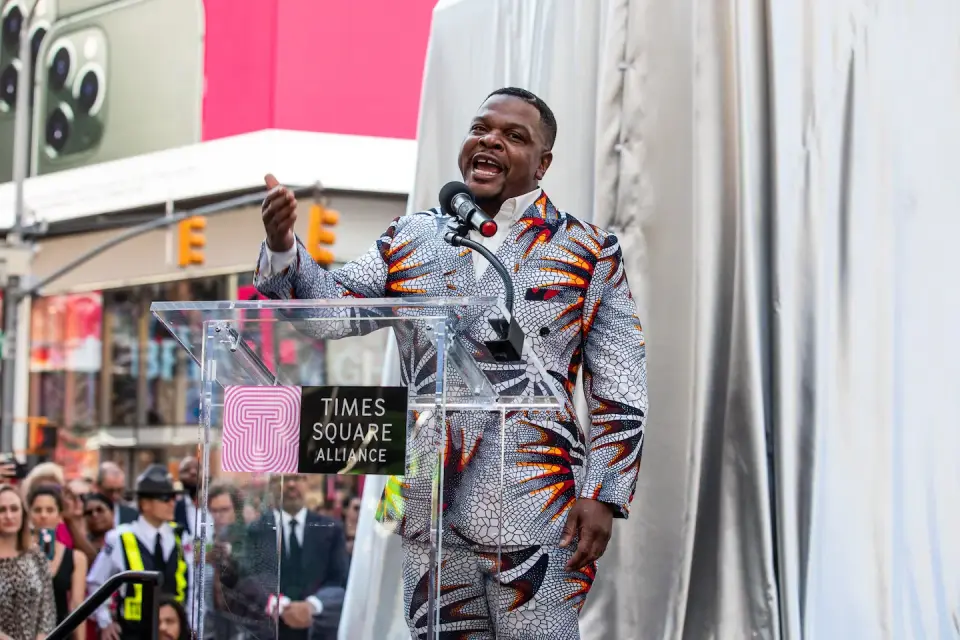
The U.S. State Department is exploring the sale of a taxpayer-funded painting by Kehinde Wiley after removing it from the U.S. Embassy in the Dominican Republic. Officials labeled the work 'woke' and 'aesthetically terrifying,' while critics note the program’s history and the artist’s previous recognition for cultural diplomacy.
Key points
- The painting 'Young Artists After Siamesas 1960' was removed from the U.S. Embassy in Santo Domingo earlier this month.
- State Department officials are consulting legal representatives to determine if the work can be sold.
- The painting was commissioned in 2013 with public funds and features four Dominican models.
- Ambassador Leah Campos posted a video of the removal, calling the art an example of 'woke ideologies.'
- Erin Scavino, director of Art in Embassies, described the painting as 'aesthetically terrifying' in a recent interview.
Background
The Art in Embassies program was established in 1963 to advance cultural diplomacy through art. Kehinde Wiley received the State Department’s Medal of Arts in 2015 for his contributions to this program. The painting in question was the result of two years of research by Wiley into Dominican artistic traditions, specifically referencing works by Celeste Woss y Gil and Gilberto Hernández Ortega. This incident follows broader administrative shifts in federal cultural institutions, including changes to the Venice Biennale pavilion selection and the cancellation of humanities grants.
How outlets are covering it
The Washington Post and Time Magazine report that the State Department is actively seeking to sell the painting, citing legal consultations. The Independent notes the painting had been hanging in the embassy since 2015. Artlyst highlights that Virginia Shore, a former director of acquisitions for the program, expressed confusion over the 'woke' characterization, noting the program was validated under the Bush administration. The State Department’s official statement focused on Wiley’s 2023 comments regarding a different painting and denied sexual assault allegations, rather than the content of the removed work. Critics point out that selling embassy artworks has no precedent in the program’s history, while the administration emphasizes 'American patriotism' and 'liberty' in its justification for the removal.
Why it matters
This move signals a significant shift in U.S. cultural diplomacy, potentially undermining the long-standing principle that embassy art fosters cross-border empathy. The attempt to sell a taxpayer-funded asset raises questions about the stewardship of public funds and the politicization of federal arts programs. It also highlights the tension between traditional diplomatic goals and the current administration’s ideological priorities, potentially affecting future international cultural exchanges and the reputation of the Art in Embassies program.
What to watch
The State Department will determine the legal feasibility of selling the painting. If sold, it could set a precedent for the disposal of other embassy artworks. The administration is expected to continue replacing 'woke' art with patriotic imagery, as seen in recent exhibitions like 'Passport to Patriotism.' Critics and former officials may challenge the sale or the removal, citing the program’s historical mission and the lack of precedent for selling public art assets.
- State Department wants to sell ‘woke’ painting by Obama portrait artist The Washington Post
- Trump Officials Propose Sale of ‘Woke’ Painting by Kehinde Wiley The New York Times
- Kehinde Wiley Painting Removed From US Embassy For Being ‘Very Woke’ Artlyst
- Why the Trump Administration Is Purging ‘Woke’ Art From U.S. Embassies Time Magazine
- Trump team looks to offload ‘woke’ and ‘terrifying’ painting by artist behind Obama’s official portrait The Independent
Want the full story? Read the original reporting
Read on The Washington Post