
One-Month Hemp Delay Sparks Supply Chain Freeze and Legislative Gridlock
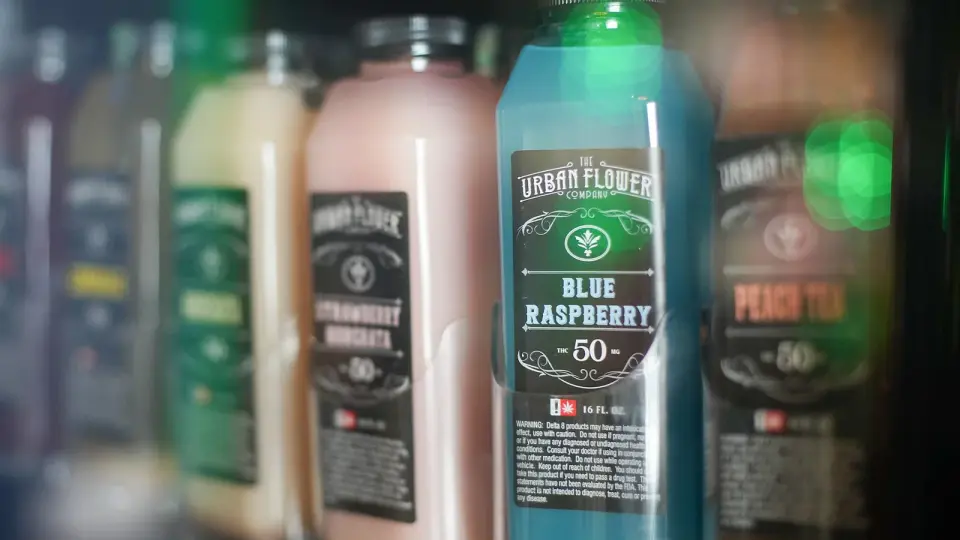
Congress delayed the federal ban on intoxicating hemp-derived products from November 12 to December 11 via a stopgap spending measure. While this provides a brief reprieve, it has triggered a supply chain freeze as distributors refuse to restock inventory. Industry leaders argue the delay is insufficient to prevent business closures, while critics warn it allows unsafe products to remain on shelves. The move creates a narrow window for lawmakers to establish a regulatory framework before the new deadline.
Key points
- The House passed a stopgap spending measure that delays the federal ban on hemp-derived THC products from November 12 to December 11.
- THC beverage retail sales reached $239 million in the 52 weeks through April, representing a 135% year-over-year increase.
- Distributors are halting restocking orders to avoid holding unsellable inventory, causing a supply chain squeeze for manufacturers.
- The delay applies only to naturally occurring cannabinoids; synthetic cannabinoids remain reclassified as marijuana under the original November 12 deadline.
- Multiple legislative proposals, including the Lawful Hemp Protection Act and Beverage Regulatory Parity Act, are circulating but lack sufficient traction to pass independently.
Background
The 2018 Farm Bill created a legal loophole by defining hemp based on delta-9 THC concentration but leaving finished product regulation to the FDA, which largely took a hands-off approach. This allowed hemp-derived products to bypass state-level marijuana restrictions, enabling nationwide sales through traditional retail channels. In 2025, Congress enacted restrictions to close this loophole, initially setting a November 2026 effective date. Recent archive coverage highlights that industry advocates have been lobbying for a regulatory bridge rather than a full ban, while the White House and some lawmakers have expressed concerns about consumer safety and Medicare coverage impacts.
How outlets are covering it
CNBC emphasizes the economic impact, noting that distributors are pulling back from restocking THC drinks, which are a top seller at major retailers like Target. Fox 9 highlights the local impact on breweries, with Minneapolis-based Utepils Brewing Co. reporting that THC drinks account for 15-18% of its revenue. Marijuana Moment provides a legal analysis, noting that the delay is narrow and that synthetic cannabinoids remain banned, while also highlighting the political divide, including a reported call from President Trump to Senator Ted Budd. Denver7 presents the opposing view, quoting advocacy group One Chance to Grow Up, which argues the delay allows the industry to continue selling deceptively packaged products that appeal to children, and notes that 35 attorneys general have criticized the delay as a tactic to reopen loopholes.
Why it matters
The one-month delay creates a critical window for Congress to establish a regulatory framework for hemp-derived products. Failure to reach a consensus before December 11 could result in a full ban, potentially eliminating a multibillion-dollar industry and disrupting supply chains for thousands of businesses. The uncertainty is already affecting business planning, with manufacturers like Cann building inventory in anticipation of continued demand, while others like Crescent Canna have laid off half their staff due to the instability.
What to watch
The next few months will determine whether the delay becomes a bridge to lasting regulatory clarity or a brief postponement of an existential deadline. Industry stakeholders are urging lawmakers to pursue regulation over prohibition, focusing on preserving jobs and establishing safety standards. If no permanent fix or further delay is achieved by December 11, the restrictions will take effect as originally enacted, reclassifying natural hemp-derived cannabinoids as marijuana under federal law.
- THC drinks could soon be harder to find as Congress delays hemp ban again CNBC
- Hemp ban delay leads to uncertainty for businesses FOX 9 Minneapolis-St. Paul
- Congress approves one-month delay of hemp THC ban Star Tribune
- The Next Few Months Will Determine If The Future Of Hemp THC Products Is Regulation Or Prohibition (Op-Ed) Marijuana Moment
- Colorado advocacy group speaks out against delayed implementation of federal hemp THC ban Denver7
Want the full story? Read the original reporting
Read on CNBC