
US-Mexico cattle trade resumes in Arizona despite new screwworm case in Sonora
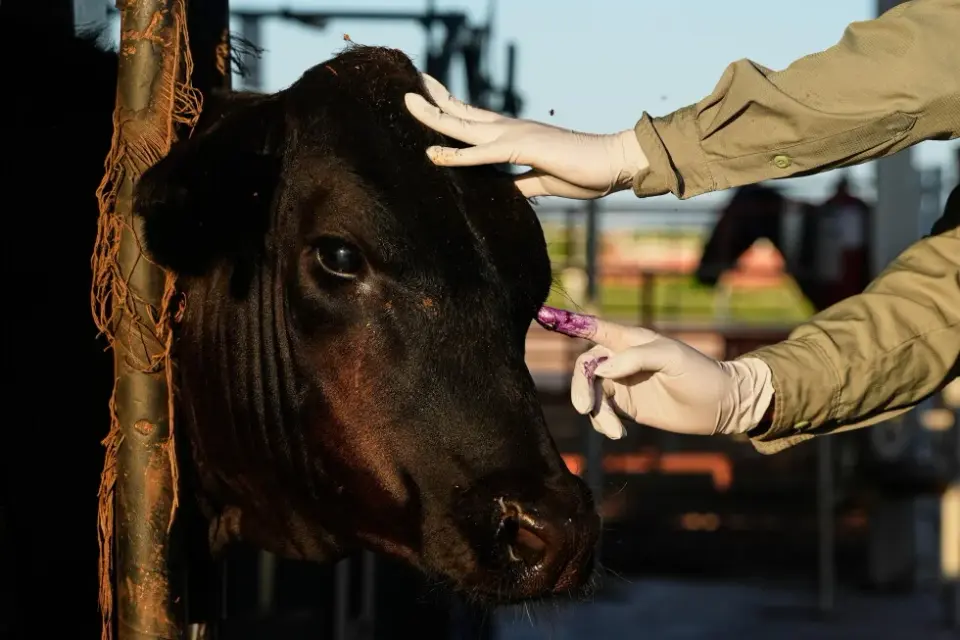
The US Department of Agriculture (USDA) is proceeding with the reopening of the Douglas, Arizona, border crossing to Mexican cattle on August 24, despite Sonora reporting its first confirmed case of New World screwworm just days prior. This move aims to ease high beef prices and support struggling Mexican ranchers, though it has sparked fierce debate between US ranchers fearing price drops and Mexican exporters worried about long-term supply chain shifts.
Key points
- USDA plans to reopen the Agua Prieta-Douglas crossing on August 24, allowing cattle from Sonora, Mexico, to enter the US.
- Sonora confirmed its first New World screwworm case in a cow near the Chihuahua border just days before the scheduled reopening.
- USDA stated it would proceed with the reopening, noting that Sonora has high industry standards and that sterile fly releases are underway to contain the parasite.
- Mexican ranchers, such as union head Alvaro Bustillos, welcomed the reopening to stop financial losses, noting that cattle are now being processed in Mexico and exported as boxed beef.
- US ranchers, including R-CALF CEO Bill Bullard, opposed the reopening, arguing it threatens domestic production and national security by increasing reliance on foreign livestock.
Background
The US-Mexico cattle trade has been shuttered on and off since November 2024 due to the New World screwworm, a parasitic fly whose larvae can eat cattle alive. The current border closure was put in place in July 2025. In July 2026, the USDA announced plans to reopen southern cattle ports to ease beef prices ahead of the 2026 midterms, despite the continuing outbreak. Texas has confirmed more than 40 cases of the parasite since it first appeared in the US earlier in 2026.
How outlets are covering it
USDA and Mexican officials emphasize the economic necessity of reopening the border to stabilize beef prices and support Mexican ranchers who have lost up to $1,000 per animal since the closure. They highlight Sonora's high standards and the use of sterile fly releases to mitigate screwworm risk. Conversely, US ranchers and organizations like R-CALF argue that reopening the border will lower cattle prices, harming domestic producers who have benefited from historic high prices. They view the move as a protectionist threat to national security and domestic production. Agricultural historian Bill Winders notes that such animal health crises are often leveraged by protectionist groups, while others, like the National Cattlemen’s Beef Association, support the reopening to normalize business operations.
Why it matters
The decision to reopen the border despite a new screwworm case highlights the tension between animal health controls and economic pressures in the US-Mexico cattle trade. It could impact beef prices for US consumers and the livelihoods of ranchers on both sides of the border, while also influencing the long-term structure of the North American beef supply chain.
What to watch
The USDA will monitor the situation closely and may pause the reopening if an imminent threat to the domestic herd is detected. Mexican authorities will continue sterile fly releases in Sonora to contain the screwworm. The impact on beef prices and cattle trade volumes will be closely watched in the coming months, especially ahead of the 2026 midterms.
- Mexico resumes livestock sales to US under tight controls over screwworm risk AP News
- The US-Mexico cattle border is reopening. Not every American rancher is celebrating CNN
- First screwworm case detected in Mexican state of Sonora Reuters
- Sonora confirms first case of New World screwworm parasite KJZZ
- Screwworm in Sonora: Will First Case Halt Scheduled Aug. 24 Border Reopening? drovers.com
Want the full story? Read the original reporting
Read on AP News