Tag

Beef Prices

All articles tagged with #beef prices

The Takeout ranks top five U.S. barbecue chains for brisket amid rising beef costs
food-and-dining9 days ago

The Takeout ranks top five U.S. barbecue chains for brisket amid rising beef costs

The Takeout identified five leading U.S. barbecue chains for brisket, noting that rising beef prices have forced some restaurants to cut the item from their menus. Americans consumed 58.5 pounds of beef per year in 2025, according to the USDA. The list includes Mission BBQ, 4 Rivers Smokehouse, Dinosaur Bar-B-Que, Billy Sims BBQ, and Sonny’s BBQ, each with distinct smoking methods and regional presences.

Beef Import Quota Fails to Lower Prices, Deepening Rural GOP Rift
politics28 days ago

Beef Import Quota Fails to Lower Prices, Deepening Rural GOP Rift

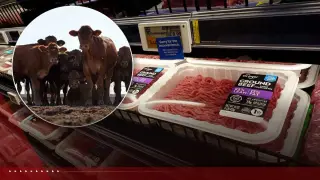
Trump’s August 2026 executive order to import 300,000 metric tons of lean beef trimmings at reduced tariffs has failed to lower U.S. grocery prices. As of October 19, only 20% of the target volume has arrived, while ground beef remains 7% higher than a year ago. The policy has angered ranchers and agricultural economists, who argue it depresses cattle values without addressing retail costs, creating a political rift ahead of the 2026 midterms.

Royal Oak's Sign of the Beefcarver Closes After 70 Years Amid Rising Costs
business1 month ago

Royal Oak's Sign of the Beefcarver Closes After 70 Years Amid Rising Costs

Sign of the Beefcarver, a historic Royal Oak restaurant, will close on October 25 after nearly 70 years of operation. Owner Jay Joliat cites extreme financial pressure from high beef prices, energy costs, and labor expenses as the primary reasons for the shutdown. The closure marks the end of the last remaining location in a chain that once had over a dozen sites across metro Detroit. The restaurant, founded in 1956, was known for its beef buffet concept and loyal customer base, with some employees having worked there for over 30 years.

Beef Prices and Import Policies Become Central Issues in 2026 Midterm Campaigns
politics1 month ago

Beef Prices and Import Policies Become Central Issues in 2026 Midterm Campaigns

Meat affordability has emerged as a significant political issue for the 2026 midterm elections, with candidates debating the effectiveness of recent tariff adjustments and import strategies. While the administration aimed to lower costs through temporary tariff relief on foreign beef, market analysis suggests these measures have failed to reduce consumer prices, instead depressing cattle values and angering domestic ranchers. This policy failure has deepened rural Republican backlash, turning beef supply and pricing into a key battleground for agricultural states.

Wendy’s Owner Files for Bankruptcy as Beef Prices Spike Amid Tariff Controversy
business2 months ago

Wendy’s Owner Files for Bankruptcy as Beef Prices Spike Amid Tariff Controversy

Meritage Hospitality Group, which operates over 300 Wendy’s locations across 15 states, filed for Chapter 11 bankruptcy on September 17. The company cited rising beef costs, reduced imports from Mexico, and low cattle herd levels as primary drivers. While the U.S. Bureau of Labor Statistics reported ground beef prices reached $7.16 per pound in August, up 7.9% from 2025, Agriculture Secretary Brooke Rollins dismissed consumer concerns, suggesting alternatives like chicken or pork. Critics argue the administration’s import strategy focuses on low-quality trimmings rather than fresh cuts, failing to address core supply issues.

Trump's Rose Garden Burger Dinner Highlights Divide Between Elite Feasts and Consumer Struggles
us-politics2 months ago

Trump's Rose Garden Burger Dinner Highlights Divide Between Elite Feasts and Consumer Struggles

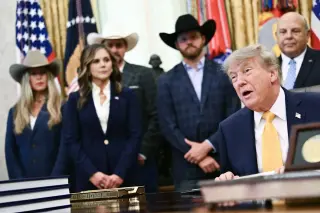
President Donald Trump hosted a dinner for Republican lawmakers from battleground states in the White House Rose Garden, featuring a gourmet beef burger menu. The event drew criticism for its extravagance amid rising food costs that have priced many Americans out of basic meals. While the administration recently proposed temporary beef imports to lower prices, analysts suggest this will have minimal impact on consumer costs.

Beef Import Waiver Sparks Debate Over Rancher Economics and Midterm Politics
economy2 months ago

Beef Import Waiver Sparks Debate Over Rancher Economics and Midterm Politics

President Trump’s executive order allowing 300,000 metric tons of duty-free beef imports for 90 days aims to lower record-high consumer prices, but critics argue it undermines domestic ranchers and long-term herd rebuilding. While the White House frames the move as a short-term bridge to expand domestic production, agricultural leaders and ranchers warn that cheap imports will depress cattle values and discourage investment in the US herd, which is at a multi-decade low. The policy has intensified political tensions ahead of the November midterms, with some Republican lawmakers breaking with the president to support domestic producers, while others defend the administration’s focus on consumer affordability. Industry experts note that the import volume represents only a small fraction of total consumption, limiting its potential impact on grocery prices.

Trump vows to bypass meat processing regulations amid industry backlash
business2 months ago

Trump vows to bypass meat processing regulations amid industry backlash

President Trump pledged to authorize legal changes allowing farmers and ranchers to process their own meat, bypassing USDA-inspected facilities. This move aims to counter high beef prices and criticism over recent tariff waivers on imported beef. Agriculture Secretary Brooke Rollins promised new measures to reduce regulatory hurdles, though legal authority remains unclear and food safety advocates warn against weakening inspection standards.

Trump Signs 90-Day Beef Import Waiver, Drawing Sharp Criticism from GOP Ranchers
politics2 months ago

Trump Signs 90-Day Beef Import Waiver, Drawing Sharp Criticism from GOP Ranchers

President Trump signed a proclamation allowing 300,000 metric tons of foreign lean beef trimmings to enter the US without tariffs for 90 days, starting September 1. The move aims to lower ground beef prices by 25% before the midterm elections but has sparked backlash from ranchers and some Republicans who fear it will crash domestic market prices and hinder herd rebuilding.

politics3 months ago

Trump’s Beef Import Plan Sparks GOP Rift Over Election-Year Affordability

President Trump announced a plan to temporarily suspend tariffs on 300,000 metric tons of imported beef, claiming it will lower grocery prices for voters ahead of the November midterms. The move, which includes a promised 25% discount on imported meat, has triggered sharp backlash from farm-state Republicans and industry groups who feel blindsided. While the White House cites internal polling showing high consumer anxiety over food costs, critics argue the policy undermines domestic ranchers and sends mixed signals to an industry already struggling with high input costs and low cattle inventories.

Douglas Port Reopens to Mexican Cattle as Screwworm Protocols Take Effect
agriculture3 months ago

Douglas Port Reopens to Mexican Cattle as Screwworm Protocols Take Effect

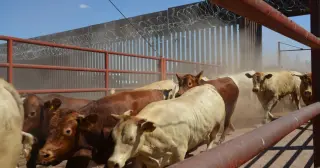
The U.S. and Mexico reopened the Douglas, Arizona, border crossing to cattle on Monday, ending a closure of over one year. Nearly 700 animals crossed under new inspection protocols designed to prevent the spread of the New World screwworm. While officials view this as a successful test for future ports, economists doubt it will significantly lower record-high beef prices in the near term.

Arizona Border Reopens for Mexican Cattle, but Experts Doubt Price Relief
economy3 months ago

Arizona Border Reopens for Mexican Cattle, but Experts Doubt Price Relief

The US Department of Agriculture reopened a border crossing in Douglas, Arizona, to Mexican cattle on Monday, August 24, 2026. This move aims to address record-high beef prices and a shrinking domestic herd. However, agricultural economists argue that the phased reopening will not significantly lower consumer prices in the near term due to the small scale of initial imports and the long timeline required to rebuild the US cattle population.