
Canada's $28B Counter-Tariffs Take Effect as U.S. Threatens Further Retaliation
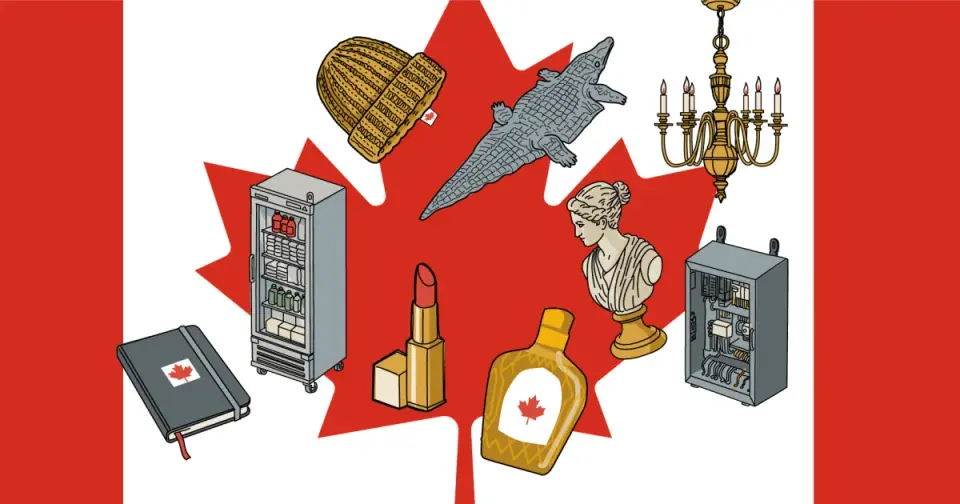
Canada’s retaliatory tariffs on $28 billion in U.S. goods took effect Tuesday, September 8, 2026, after trade talks collapsed in late August. President Trump has threatened further U.S. levies, including potential bans on Canadian alcohol and dairy, while Canadian Prime Minister Mark Carney refuses to resume negotiations until Washington adopts a more serious tone. Consumers face rising prices on items like whiskey and lipstick, and border communities report disrupted commerce.
Key points
- Canada imposed tariffs on $28 billion of U.S. imports, including steel, aluminum, textiles, and appliances, effective September 8.
- The move follows Trump’s 50% tariffs on $20 billion of Canadian goods, imposed after Carney ended trade talks on August 21.
- Trump threatened additional U.S. tariffs, potentially banning Canadian alcohol and dairy, with White House officials considering action by Wednesday.
- Carney stated Canada will not return to negotiations until the U.S. stops 'throwing shade' and engages seriously.
- Border businesses, such as Half-Way House Freight Forwarding, report disrupted trade and uncertainty, with some customers halting non-essential orders.
Background
The dispute escalated from August 2026, when Trump threatened 50% tariffs on Canadian autos and metals, prompting Canada to vow retaliation. Prior analysis indicated the average U.S. tariff on Canada had risen to 5.7%, with swing states like Ohio facing significant exposure. Canada has also sought to diversify exports beyond the U.S. to mitigate risks.
How outlets are covering it
NBC News emphasized consumer impacts, noting higher costs for whiskey, lipstick, and other goods. The New York Times highlighted the political dimension, noting Canadian public support for Carney’s decision and Trump’s threats to escalate. CNN focused on the human element, detailing how border communities and small businesses are struggling amid the trade war. The Globe and Mail provided a detailed breakdown of the $28 billion in targeted U.S. goods and noted that Canadian manufacturers warned of increased costs for those reliant on American inputs. Outlets disagreed on the severity of the impact: The Globe and Mail reported that U.S. businesses expected pain but not 'misery,' while Trump’s Treasury Secretary Scott Bessent dismissed the Canadian tariffs as having a negligible effect on U.S. prices.
Why it matters
The trade war threatens to disrupt supply chains, raise consumer prices, and strain the historic U.S.-Canada relationship. With no negotiations scheduled, the risk of further escalation is high, potentially affecting jobs and economic stability in both countries. The dispute also has political implications, as Canadian tariffs target industries in U.S. swing states, influencing the 2026 midterm elections.
What to watch
Watch for potential U.S. retaliatory tariffs, including bans on Canadian alcohol and dairy, which White House officials are considering. Monitor whether Carney will resume negotiations if the U.S. changes its tone. Track consumer price increases for Canadian and U.S. goods, and assess the impact on border communities and small businesses. Follow developments in the 2026 midterm elections, as the trade war may influence voter sentiment in swing states.
- Breaking down the U.S.-Canada trade war in 4 charts NBC News
- Canada’s Retaliatory Tariffs Set to Take Effect as Trump Threatens to Escalate The New York Times
- His shop straddles the US-Canada border. A historic friendship is crumbling on both sides. CNN
- Trade talks remain frozen as Canadian countertariffs set for Tuesday The Globe and Mail
- Canada Set to Hit Back at Trump Tariffs, Risking Wider Trade War Bloomberg.com
Want the full story? Read the original reporting
Read on NBC News