
Dana Point red-tag count climbs to 19 as Hurricane Marie aftermath worsens
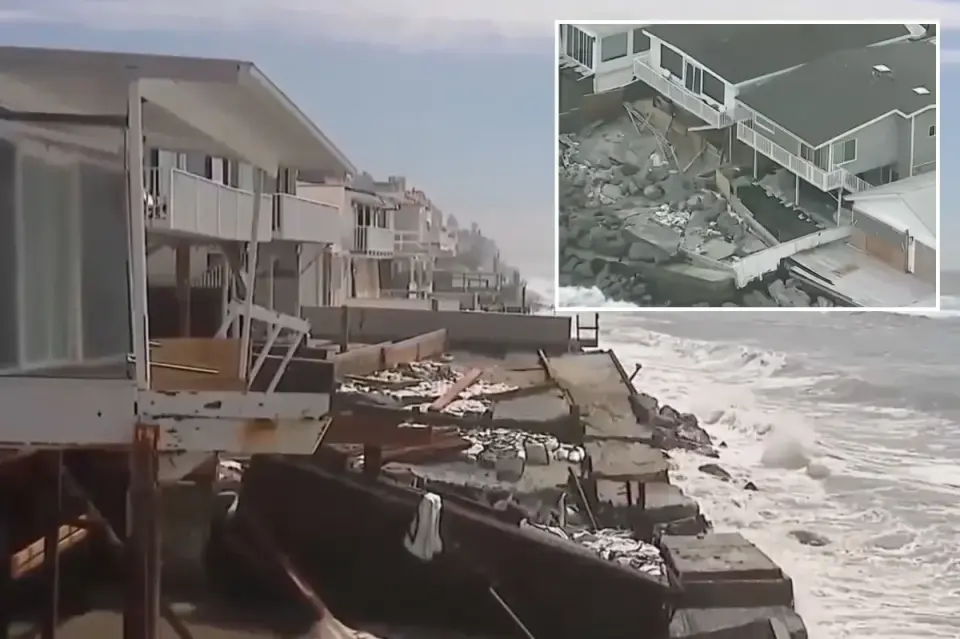
Hurricane Marie’s aftermath has intensified damage along the Orange County coast, with Dana Point reporting a significant increase in red-tagged homes. The city now counts 19 red-tagged properties, up from 14 earlier in the week, while Laguna Beach declared a local emergency due to unprecedented shoreline erosion. Homeowners are installing emergency boulder barriers, but officials warn that El Niño forecasts suggest further severe weather is likely.
Key points
- Dana Point has red-tagged 19 homes, an increase from 14 reported earlier this week, with 10 additional homes newly flagged as unsafe.
- Laguna Beach declared a local emergency after Hurricane Marie swells stripped sand from beaches, closing several areas including Lagunita Beach and Pearl Street Beach.
- Homeowners in Dana Point are installing boulder barriers and sandbags to protect properties, though they must secure and pay for specialized repair crews independently.
- NOAA’s Climate Prediction Center projects a greater than 90% chance of a very strong El Niño event this fall and winter, raising concerns about future storm impacts.
- Lifeguards in Newport Beach and Laguna Beach recorded hundreds of rescues during the Labor Day weekend, with Newport Beach alone logging 213 rescues.
Background
This escalation follows earlier reports from September 8–11, 2026, when Hurricane Marie first impacted the region. Initial assessments showed 14 damaged homes in Dana Point and a local emergency declaration. The current update reflects a worsening situation over the subsequent days, with additional homes red-tagged and broader coastal erosion affecting multiple Orange County municipalities. The event is part of a broader pattern of coastal damage linked to El Niño conditions, which also impacted Malibu and Long Beach in early September.
How outlets are covering it
The California Post and Los Angeles Times emphasize the growing number of red-tagged homes in Dana Point, highlighting the strain on homeowners and local infrastructure. The Orange County Register focuses on the broader regional impact, including hundreds of lifeguard rescues and severe beach erosion across Newport Beach and Laguna Beach. While all sources agree on the severity of the damage, the California Post and LA Times stress the financial and logistical burden on individual homeowners, whereas the Orange County Register highlights the public safety response and environmental changes. No source disputes the core facts, but they differ in emphasis: some focus on property damage, others on public safety and climate forecasts.
Why it matters
The escalating damage underscores the vulnerability of coastal communities to extreme weather events, particularly as El Niño conditions intensify. The inability of homeowners to access timely repairs and the reliance on emergency measures like boulder barriers highlight gaps in disaster response and infrastructure resilience. This event may serve as a precursor to more severe impacts this winter, potentially straining local resources and prompting broader policy discussions on coastal protection and emergency preparedness.
What to watch
Officials are monitoring shoreline conditions and coordinating with agencies for emergency repairs. Homeowners are expected to continue installing protective measures, though access to specialized repair crews remains limited. NOAA’s forecast suggests a high likelihood of further strong El Niño events, which could lead to additional coastal damage and emergency declarations in the coming months.
- Dana Point in crisis as even more mansions red-tagged following Hurricane Marie New York Post
- Hurricane Marie destroys OC beaches, homes and prompts hundreds of rescues Orange County Register
- Dana Point declares local emergency after at least 16 homes are damaged by strong surf Los Angeles Times
- Long Beach Homes Are at Risk as Ocean Rises, Crews Race to Rebuild Defenses Yahoo
- OC Beach Cities Declare States of Emergency After High Tides Batter Coast Voice of OC
Want the full story? Read the original reporting
Read on New York Post