
California Voters Face 14 Statewide Measures Amid Debate Over Direct Democracy's Effectiveness
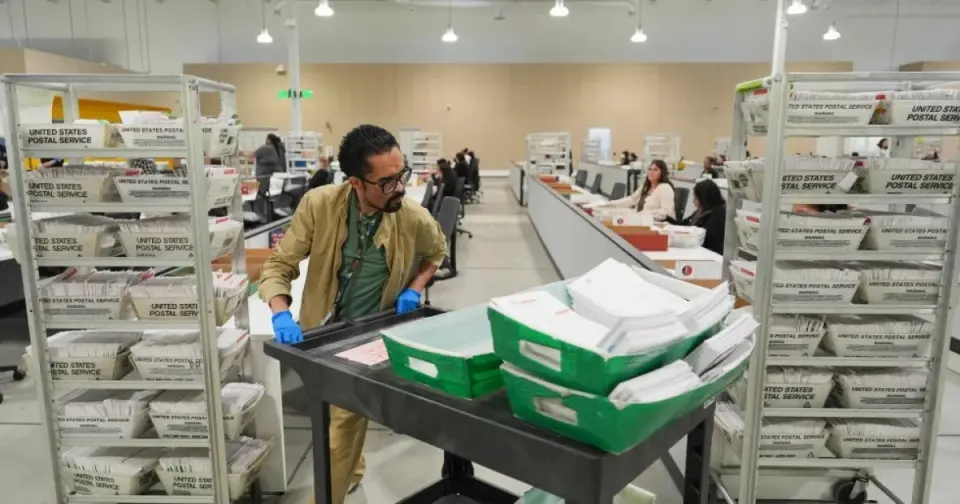
California voters will decide on 14 statewide propositions in November, covering topics from immunology research to billionaire taxes. While polls show high confusion and overwhelm, the state remains the nation's leader in ballot initiatives, with nearly $1.9 billion spent on campaigns between 2020 and 2024. Experts debate whether this system empowers citizens or serves wealthy interests, noting that initiatives boost turnout but may not increase voter efficacy.
Key points
- November ballots include 14 statewide measures on immunology research, voter ID, and taxes.
- 77% of Californians feel there are too many measures, yet 79% view propositions as a 'good thing.'
- California has placed 396 initiatives before voters since 1904, more than any other state.
- Nearly $1.9 billion was spent on ballot measure campaigns between 2020 and 2024.
- Initiatives typically increase voter turnout by 3% to 8% compared to states without them.
Background
This story builds on the long-standing tradition of direct democracy in California, rooted in the early 20th-century Progressive Era. Previous archive entries focused on unrelated celebrity news, offering no specific background on election mechanics, but the current narrative highlights the enduring tension between citizen empowerment and corporate influence in the state's political landscape.
How outlets are covering it
LAist emphasizes the paradox of Californians feeling both overwhelmed and empowered by the ballot process, citing polls from the Public Policy Institute of California. It highlights the historical volume of initiatives and the significant financial industry surrounding them, while noting that critics argue the system now favors deep-pocketed interests over citizen control. Westside Current provides a guide to the 14 propositions but offers no additional analytical perspective in the provided text, focusing instead on logistical election information. The primary source contrasts the Progressive Era's intent to counter corporate monopolies with the current reality of high-cost campaigns and complex wording, suggesting a divergence from the original vision of direct democracy.
Why it matters
The outcome of these 14 measures will shape California's policy landscape on critical issues like healthcare, taxation, and voting rights. The debate over the efficacy of ballot initiatives influences national discussions on direct democracy, as California's model is often scrutinized for its impact on voter engagement and policy stability. Understanding whether these measures empower citizens or serve special interests is crucial for evaluating the future of participatory governance in the state.
What to watch
Voters will cast their ballots on November 3, 2026, to decide the fate of the 14 statewide propositions. Political scientists expect a slight increase in turnout due to the high-profile nature of these measures. Future reforms may be proposed to address the complexity and cost of ballot initiatives, though current polls suggest broad public support for maintaining the initiative process despite its challenges.
- Feeling overwhelmed by your ballot? Welcome to California LAist
- The Frenzy Behind Getting an Initiative on the California Ballot The New York Times
- The November election is a towering monument to California’s failure of governance San Francisco Chronicle
- ELECTION: Voters are confused Coeur d'Alene Press
- California’s 14 Statewide Propositions Explained westsidecurrent.com
Want the full story? Read the original reporting
Read on LAist