
Record-breaking El Niño triggers emergency declarations in California and global drought warnings
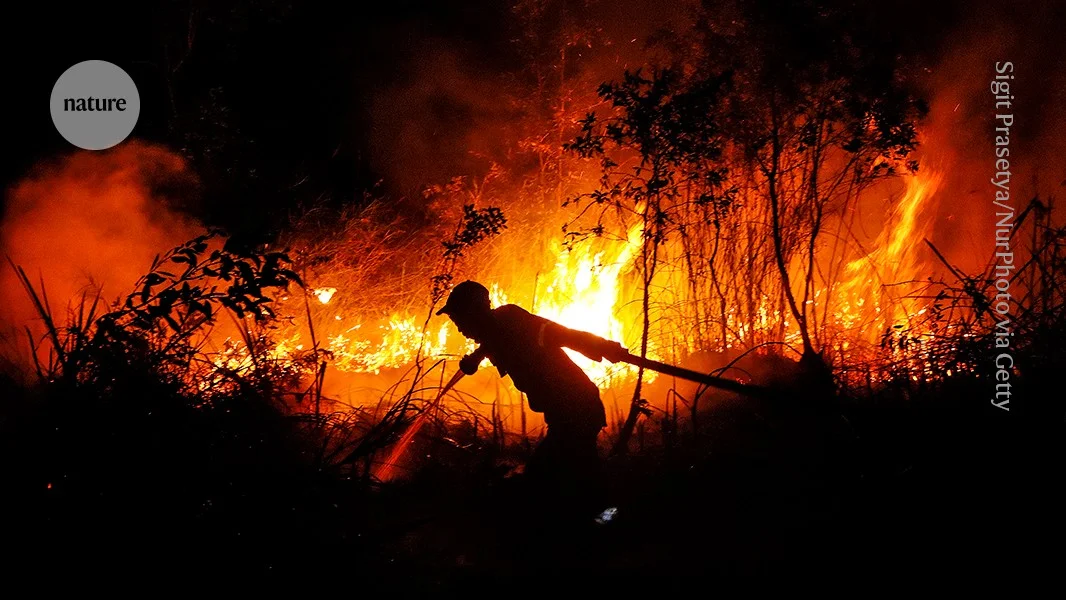
A historic El Niño event, forecast to be the strongest since records began in the 1870s, is prompting immediate emergency responses. California Governor Gavin Newsom declared a state of emergency on September 21 to mobilize resources against anticipated winter storms, flooding, and coastal erosion. Meanwhile, global experts warn of severe droughts in southern Africa and Indonesia, with sea surface temperatures in the central Pacific already 2.9°C above baseline.
Key points
- Sea surface temperatures in the central tropical Pacific reached 2.9°C above the 30-year baseline in early September, exceeding the 1997 and 2015 El Niño events by more than 1°C.
- Governor Gavin Newsom declared a state of emergency on September 21 to streamline procurement, stage flood-fighting supplies, and prepare the National Guard for potential winter impacts.
- Long Beach declared a local emergency following damage from Hurricane Marie, with city officials citing the need for expedited procurement and personnel adjustments ahead of a potentially wet winter.
- Southern Africa faces an 80% chance of below-normal rainfall during the December–February wet season, a pattern consistent with the four strongest El Niño events between 1980 and 2016.
- Indonesia faces heightened risks of peatland fires, which during the 1997 El Niño emitted 3–9 gigatonnes of CO2, equivalent to 13–40% of global fossil-fuel emissions that year.
Background
Previous coverage in August 2026 indicated that El Niño was on track to become the strongest on record, with NOAA projecting a 90% chance of a 'very strong' event. Earlier reports highlighted potential economic risks, including multi-trillion-dollar losses and altered water resources, as well as the possibility that 2027 could become the hottest year on record due to the combined effects of El Niño and long-term global warming.
How outlets are covering it
Nature emphasizes the unprecedented scale of the current El Niño, noting that sea surface temperatures are more than 1°C warmer than during the 1997 and 2015 events, and highlights the urgent need for global agricultural and health agencies to prepare. California State Portal and Time Magazine focus on the immediate policy response, detailing Governor Newsom's state of emergency declaration and the mobilization of state resources to mitigate flood and landslide risks. ABC7 Los Angeles provides a local perspective, highlighting Long Beach's emergency declaration following recent hurricane damage and the city's concerns about exceeding normal operational capabilities. While all sources agree on the severity of the event, Nature and ABC7 Los Angeles highlight the contrasting regional impacts, with Nature focusing on global drought and fire risks, and ABC7 focusing on local coastal flooding and infrastructure damage.
Why it matters
The current El Niño is not only the strongest on record but is also occurring in a warming world, which amplifies its impacts. The emergency declarations in California and local responses in Long Beach demonstrate the immediate need for preparedness against extreme weather events. Globally, the potential for severe droughts in southern Africa and Indonesia, along with the risk of peatland fires, underscores the far-reaching consequences of this climate event on food security, public health, and carbon emissions.
What to watch
Governments and agencies are expected to continue mobilizing resources and implementing preparedness measures in the coming weeks. In California, state agencies will focus on flood-risk reduction, staging supplies, and fast-tracking permitting for flood protection. Globally, agriculture ministries and health organizations will likely implement measures to mitigate the impacts of drought and failed harvests in southern Africa and Indonesia. The next few weeks are critical for preparing for the anticipated winter storms and other El Niño-related impacts.
- The worst El Niño in recorded history is brewing — here’s how governments must prepare Nature
- Governor Newsom proclaims state of emergency to bolster statewide El Nino preparedness, protect California California State Portal | CA.gov
- Why California Just Declared a State of Emergency Due to El Niño Time Magazine
- Long Beach declares local emergency as El Niño looms after Hurricane Marie damage ABC7 Los Angeles
- A ‘super’ El Niño is about to crash into California: 9 essential ways to prepare Los Angeles Times
Want the full story? Read the original reporting
Read on Nature