
Super El Niño Peaks: Experts Warn of Record Floods, Tornadoes, and Unusual Marine Shifts
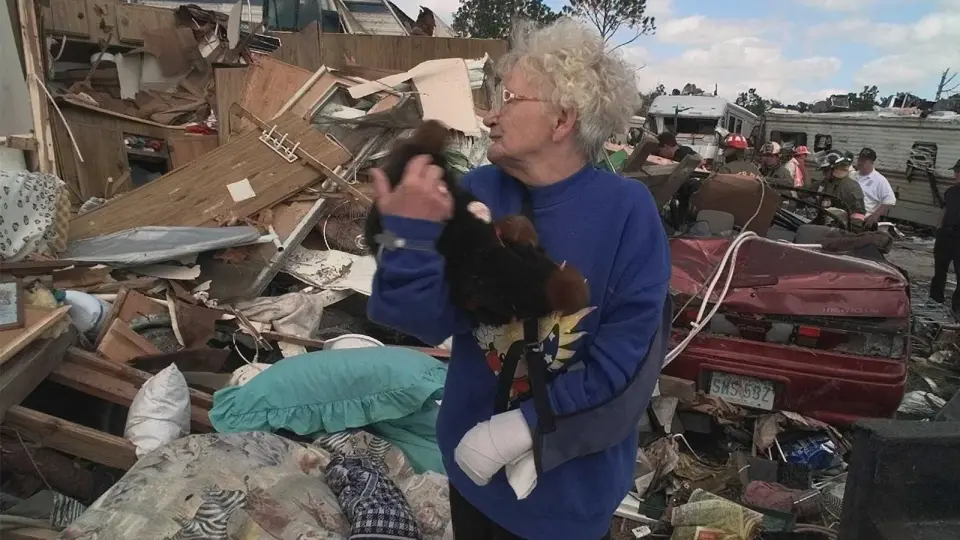
A record-breaking 'super' El Niño is peaking, driving record-warm ocean temperatures and shifting weather patterns across the U.S. Forecasters predict a warm December followed by a wet, cool February, with heightened risks of flooding in the Southeast and tornadoes in Florida. While the event is statistically comparable to 1997-98, climate change may intensify precipitation. Meanwhile, Pacific Northwest coastlines face rising waters from Kelvin waves, and California’s marine ecosystems are experiencing unprecedented tropical fish migrations.
Key points
- NOAA and seasonal models predict a very warm December across the U.S., followed by cooler, wetter conditions in February, particularly in the South.
- Sea surface temperatures in the Gulf of Mexico and subtropical North Atlantic are near record highs, potentially enhancing rainfall intensity due to increased atmospheric moisture.
- Florida faces a heightened risk of late-winter tornado outbreaks, with historical data showing double the frequency during El Niño events compared to neutral conditions.
- Pacific Northwest residents are warned of 'perfect storm' scenarios where king tides, storm surges, and Kelvin waves combine to raise water levels by 4-6 inches.
- The Los Angeles River system is being monitored for potential capacity limits, as El Niño-driven runoff could exceed flood-control infrastructure designed for previous wet winters.
Background
This event follows a severe hurricane season in the Southeast, including Hurricane Isaias in October, and a critical haze crisis in Indonesia driven by the same El Niño event. The current El Niño is the strongest on record in the Niño3.4 region, though its atmospheric impact is comparable to the 1997-98 event when adjusted for global warming.
How outlets are covering it
Yale Climate Connections emphasizes the statistical predictability of El Niño but highlights uncertainty regarding the intensity of impacts due to climate change. USC Viterbi focuses on the physical mechanics of flooding in the Los Angeles River, noting that while the river is channelized, specific sections like the Glendale Narrows remain vulnerable to debris-laden runoff. The News Tribune highlights the unique threat of Kelvin waves in the Pacific Northwest, which are raising water levels and could combine with king tides to cause severe coastal flooding. The Atlantic reports on the ecological impact, noting that El Niño-driven warm waters are causing tropical fish species to migrate hundreds of miles north into California waters, a phenomenon described as unprecedented in recorded history.
Why it matters
The convergence of a record El Niño and long-term climate change creates a 'wild card' for winter weather, potentially leading to more extreme flooding and severe storms than historical models predict. Infrastructure in the Pacific Northwest and California is being tested by rising water levels and changing marine ecosystems, while the Southeast faces increased risks of tornadoes and heavy rainfall that could exacerbate existing drought conditions in some areas.
What to watch
Forecasters expect the Pacific Trough regime to persist, potentially bringing mild but wet conditions to the West Coast. A sudden stratospheric warming event has already begun in November, which could influence winter weather patterns, though its impact on surface temperatures may be muted until late winter. Researchers are monitoring the Los Angeles River and Puget Sound for real-time data to refine flood predictions and understand the long-term effects of Kelvin waves on inland water systems.
- What to watch for – and prep for – across the Southeast U.S. and Eastern Seaboard as El Niño peaks Yale Climate Connections
- The Powerful El Niño Hits California With a One-Two Punch of Disasters The New York Times
- “This El Niño Could Test the Limits of the Los Angeles River” USC Viterbi School of Engineering
- Keep your eye on the water this month. King tides and Kelvin waves are coming Tacoma News Tribune
- The Waters Off California Are Unrecognizable The Atlantic
Want the full story? Read the original reporting
Read on Yale Climate Connections