
Fifth Circuit voids 2022 spending bill over proxy voting, halting pregnant worker protections in Texas
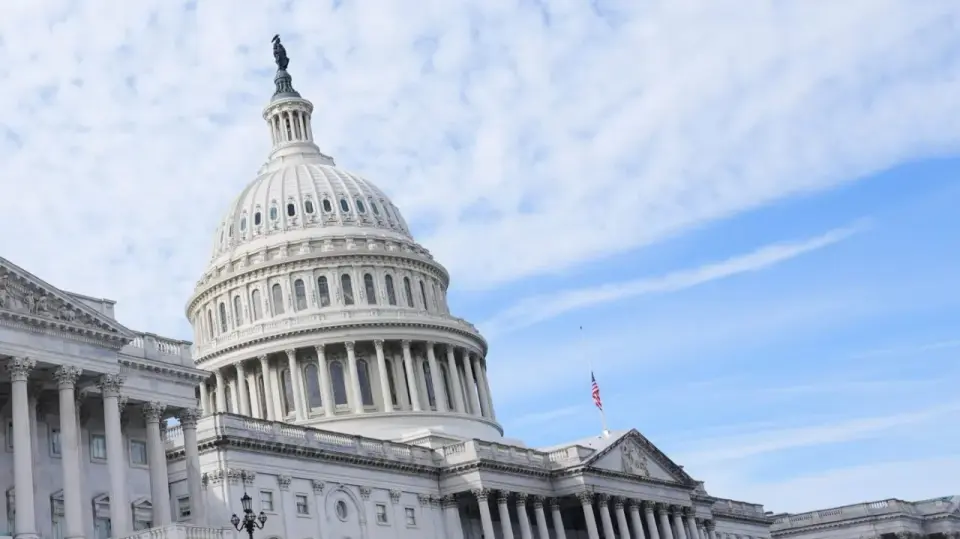
A divided Fifth Circuit Court of Appeals ruled that the 2022 $1.7 trillion Consolidated Appropriations Act was unconstitutional because the House used proxy voting to achieve a quorum, violating the Constitution's Quorum Clause. The court limited the immediate legal effect to blocking the Pregnant Workers Fairness Act in Texas, but the decision threatens the validity of other laws passed during the pandemic and is expected to be appealed to the Supreme Court.
Key points
- The 5th U.S. Circuit Court of Appeals ruled 9-8 that the House violated the Constitution's Quorum Clause by allowing members to vote by proxy during the COVID-19 pandemic.
- The ruling declares the 2022 $1.7 trillion Consolidated Appropriations Act unconstitutional, as 226 House members voted by proxy, meaning fewer than a majority were physically present.
- The court limited the immediate legal impact to blocking the enforcement of the Pregnant Workers Fairness Act in Texas, Louisiana, and Mississippi, but the decision may trigger challenges to other laws passed during the same period.
- Texas Attorney General Ken Paxton brought the case in 2023 to block the Pregnant Workers Fairness Act from being enforced in Texas, and the ruling grants his request.
- The decision is expected to be appealed to the Supreme Court, and legal experts warn that it could have broad ramifications for other laws passed with proxy votes during the pandemic.
Background
The 2022 Consolidated Appropriations Act was passed during the peak of the COVID-19 pandemic, when Congress authorized remote and proxy votes as a safety precaution. The bill included $1.7 trillion in funding for federal agencies, $45 billion in emergency assistance to Ukraine and NATO allies, and $40 billion for natural disaster relief. The Pregnant Workers Fairness Act, which requires employers to provide accommodations for pregnant workers, was included in the bill. The case was brought by Texas Attorney General Ken Paxton in 2023 to block the law from being enforced in Texas.
How outlets are covering it
The Hill and CNN emphasize the constitutional violation of proxy voting and the narrow scope of the ruling, while The New York Times highlights the broader implications for other laws passed during the pandemic and the potential for Supreme Court review. Legal experts, including Yale's William Eskridge and Indiana University's Deborah Widiss, argue that the decision is highly unusual and could break down the separation of powers by allowing courts to second-guess Congress's internal rules. Senator Mitch McConnell filed an amicus brief in favor of upholding the law, stating that the courts cannot review the internal affairs of Congress. The dissenting judges, including Judge James Graves Jr., argued that the majority misinterpreted the Constitution and that no member of the House objected to a lack of quorum.
Why it matters
The ruling could invalidate other laws passed during the pandemic using proxy voting, including the $1.7 trillion spending bill that funded critical government operations and provided $45 billion in emergency assistance to Ukraine and NATO allies. The decision also halts the Pregnant Workers Fairness Act in Texas, Louisiana, and Mississippi, affecting about 20 million women. The case is expected to be appealed to the Supreme Court, and legal experts warn that it could have profound implications for the separation of powers and the validity of other laws passed during the pandemic.
What to watch
The decision is expected to be appealed to the Supreme Court. Legal experts warn that the ruling could trigger challenges to other laws passed during the pandemic using proxy voting, including the $1.7 trillion spending bill. The case may also have broader implications for the separation of powers and the validity of other laws passed during the pandemic.
- $1.7T Biden-era government funding bill found unconstitutional, appeals court rules The Hill
- Biden-era spending law found unconstitutional by federal appeals court CNN
- US House unconstitutionally passed spending bill in 2022, court rules Reuters
- Federal Court Halts Pregnant Workers’ Protection Law The New York Times
- Pandemic-era law passed unconstitutionally because of proxy voting, appeals court rules The Washington Post
Want the full story? Read the original reporting
Read on The Hill