
Supreme Court faces emergency plea to revive third-country deportations
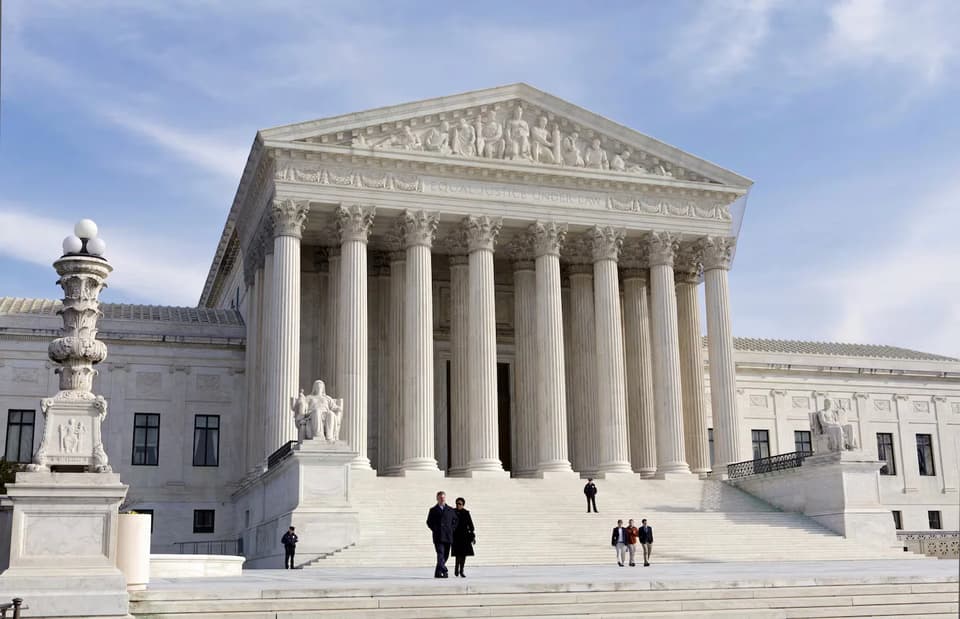
The Trump administration has requested an emergency stay from the Supreme Court to resume deporting migrants to third countries, following a recent ruling by the First Circuit Court of Appeals that blocked the practice. The Justice Department argues that halting these removals has caused logistical chaos, including cancelled flights and diplomatic issues, while preventing the removal of dangerous criminals. The administration seeks to overturn a lower court decision that mandated migrants be given a meaningful opportunity to challenge their destination before removal. This dispute centers on the Convention Against Torture, which restricts deportation to countries where individuals face a risk of torture. The policy, which has already relocated approximately 25,000 migrants, remains a central component of the administration's broader immigration enforcement strategy despite ongoing legal challenges regarding due process and human rights concerns.
Key points
- The Justice Department filed an emergency appeal on Thursday, asking the Supreme Court to immediately allow the resumption of third-country deportations.
- The First Circuit Court of Appeals formally dissolved a stay on Wednesday, effectively blocking the policy after a lower court found it violated due process rights.
- Solicitor General D. John Sauer stated that the pause has led to the cancellation of flights and the removal of nearly 150 migrants from flights to at least four countries.
- The administration argues that the policy is necessary to remove dangerous criminals and that the nation suffers from the delay, while opponents cite risks of torture and lack of notice for migrants.
- The Supreme Court previously allowed the policy to proceed last year, but the current legal battle focuses on whether migrants must be given a chance to raise human rights concerns before removal.
Background
The third-country deportation program was launched in 2025 as part of the Trump administration's broader immigration crackdown, utilizing a new Office of Remigration. By September 2026, the program had signed 35 deals to relocate approximately 25,000 migrants to destinations in Latin America, Africa, and the Caribbean. Legal challenges have been persistent; a federal judge in February 2026 first ruled the policy unlawful for violating due process, and the First Circuit Court of Appeals upheld this decision in September 2026. The Supreme Court had previously sided with the administration in earlier stages of the litigation, but the current emergency appeal seeks to reverse the recent appellate block.
How outlets are covering it
The Washington Post and CNN emphasize the administration's logistical and diplomatic arguments, noting that the pause has disrupted ongoing removal operations and created potential international tensions. CNN highlights the specific legal mechanism, noting that the Justice Department is seeking an 'administrative' stay to allow flights to continue immediately. Fox News focuses on the procedural timeline, detailing how the First Circuit formally issued a mandate striking down the policy on Wednesday, which prompted the emergency appeal. Fox News also notes that ICE officials had attempted to proceed with at least one deportation to Ghana despite the court's ruling, arguing that the formal mandate had not yet been issued at the time. All three outlets agree that the core legal dispute involves the interpretation of the Convention Against Torture and the due process rights of migrants regarding their destination countries.
Why it matters
The outcome of this emergency appeal will determine whether the administration can immediately resume a policy that has already relocated tens of thousands of migrants to countries where they are not citizens. A Supreme Court ruling in favor of the administration would validate the use of third-country deportations as a primary enforcement tool, potentially expanding the program's reach. Conversely, a ruling against the administration would reinforce the lower court's decision that migrants must be given a meaningful opportunity to challenge their destination, significantly limiting the government's ability to bypass traditional deportation hurdles. This case sets a precedent for how due process and human rights concerns are weighed against immigration enforcement priorities in the current legal landscape.
What to watch
The Supreme Court has ordered the immigrant rights groups opposing the policy to respond to the administration's emergency appeal by Monday afternoon. The court will then decide whether to grant the requested stay, which would allow the administration to resume third-country deportations immediately. If the stay is granted, the administration plans to continue its removal operations, potentially including flights to countries with poor human rights records. If denied, the policy will remain blocked pending further legal proceedings, and the administration may pursue additional appeals or legislative changes to address the logistical and diplomatic issues cited in their filing.
- Trump administration asks Supreme Court to allow ‘third country’ deportations for now The Washington Post
- Trump urges Supreme Court to restart deportations to countries with poor human rights records CNN
- Federal appeals court deals blow to Trump deportation agenda Fox News
- DHS tried to deport Peruvian man to Africa after appeals court ruling blocking third country removals The Hill
- Appeals court rejects swift deportation of immigrants to third countries ABC News - Breaking News, Latest News and Videos
Want the full story? Read the original reporting
Read on The Washington Post