
Florida to Execute Vietnam Vet for 1986 Deputy Murder Amid PTSD Clemency Pleas
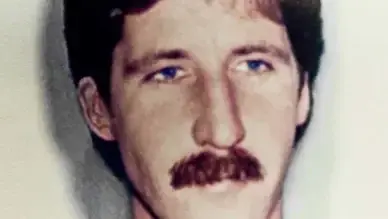
Florida is set to execute 77-year-old William Reaves Jr. on Tuesday, October 20, for the 1986 murder of Indian River County Deputy Richard Raczkowski. Reaves, a Vietnam veteran, faces lethal injection at Florida State Prison. His attorneys and over 100 military veterans have urged Governor Ron DeSantis to grant clemency, arguing that Reaves suffered from severe post-traumatic stress disorder (PTSD) that was not presented to the jury. The state maintains that the execution is long overdue and that justice for the victim's family must be served. This execution would be Florida's 18th of 2026, continuing a record-breaking pace under DeSantis's administration.
Key points
- Execution scheduled for 6 p.m. on October 20 at Florida State Prison in Raiford.
- Victim was 29-year-old Deputy Richard Raczkowski, killed in September 1986 in Vero Beach.
- Reaves was convicted of premeditated first-degree murder after shooting the deputy four times.
- Over 100 veterans sent a letter to Gov. DeSantis on October 19 urging clemency.
- Defense argues Reaves was rated 100% disabled by the VA for combat-related PTSD.
- Florida has already carried out 17 executions in 2026, with a 19th scheduled for November.
Background
This case follows a surge in executions in Florida under Governor Ron DeSantis, who issued a record 19 death warrants in 2025. The state has been criticized by Amnesty International for its rapid pace of carrying out sentences. The case also follows the botched execution of Christa Pike in Tennessee earlier this month, which highlighted issues with lethal injection protocols. While Florida uses a three-drug protocol, the recent national scrutiny has intensified debates over the humane administration of the death penalty. Reaves's case is distinct due to the specific focus on military service and mental health, a narrative that has gained traction in recent clemency discussions.
How outlets are covering it
USA Today and NBC News present the core facts of the execution and the conflicting narratives: the state's view of Reaves as a cold-blooded killer versus the defense's portrayal of him as a PTSD-suffering veteran. The Washington Post emphasizes the clemency appeal from military veterans, noting that Reaves would be the 14th veteran executed under DeSantis. WPEC provides a straightforward local news update. The outlets differ in emphasis: USA Today details the victim's family's desire for closure and the specific circumstances of the 1986 shooting, while The Washington Post focuses on the political and moral argument regarding veterans' rights. All sources agree on the timeline and the legal status of the case, but they frame the moral weight of the execution differently, with some highlighting the 'justice delayed' argument and others focusing on the 'failure to treat' argument.
Why it matters
The execution of William Reaves Jr. highlights the ongoing national debate over the death penalty, particularly regarding the treatment of veterans and the role of mental health in capital cases. It tests the limits of clemency powers in Florida and reflects the broader trend of accelerated executions under Governor DeSantis. The case also draws attention to the long-term psychological impacts of military service and whether the justice system adequately accounts for such factors during sentencing. As Florida approaches a potential record for executions in 2026, this case serves as a focal point for discussions on justice, mercy, and the state's responsibility to its veterans.
What to watch
The execution is scheduled to proceed on Tuesday, October 20, unless Governor DeSantis grants clemency. If Reaves is executed, Florida will have carried out 18 executions in 2026. Another execution is scheduled for November 5, which could tie the state's 2025 record of 19. The outcome of this case may influence future clemency requests for other death row inmates, particularly those with military service or mental health issues. The victim's family and supporters are expected to attend the execution, while veterans and death penalty opponents may hold vigils or protests.
- Vietnam vet faces execution for cop killing. Was it PTSD or murder? USA Today
- Florida is set to carry out 18th execution this year and moving closer to tying record NBC News
- Veterans urge DeSantis to halt Vietnam veteran’s execution The Washington Post
- Man convicted of killing Indian River County deputy set for execution Tuesday WPEC
- 'Hidden' costs of Florida's death penalty | Opinion Tallahassee Democrat
Want the full story? Read the original reporting
Read on USA Today