
GOP Fractures Over Economic Blame as Midterm Polls Plunge
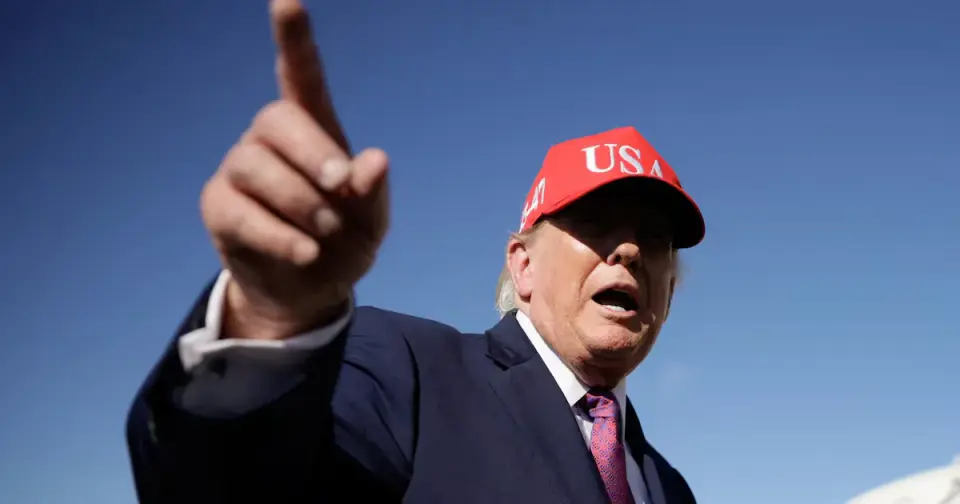
Republicans are engaged in an internal blame game as Democrats lead by eight points on the generic ballot ahead of the November 3 midterms. The party is fractured over the economic impact of tariffs and the Iran conflict, with candidates distancing themselves from President Trump’s optimistic messaging while voters cite high costs as their primary concern.
Key points
- Democrats hold an eight-point lead on the generic congressional ballot, with several House districts Trump won in 2024 now considered competitive.
- Inflation rose to 3.7% in September, up from 3.4% in August, while gas prices increased 9.1% in September, contributing to a 34.2% annual rise.
- A Pew survey found 65% of Americans believe Trump’s policies worsened the economy, and 65% blame him for high prices.
- GOP operatives are blaming each other, with House members targeting Senate colleagues and national operatives criticizing underperforming candidates.
- Vice President JD Vance is adopting a more nuanced tone than Trump, acknowledging voter pain while asking for more time to fulfill the agenda.
Background
This crisis follows months of declining approval ratings for President Trump, which began dragging down GOP hopes in September. Earlier coverage noted that candidates in states like Iowa and Michigan were already distancing themselves from the administration due to unpopular policies and rising costs. The current internal conflict represents an escalation of those tensions as the election nears.
How outlets are covering it
The Daily Beast and Politico emphasize the internal political warfare, noting that House Republicans are planning to accuse Senate colleagues, while national operatives are furious at candidates who failed to prepare for a tough year. CNN and USA Today focus on the disconnect between the administration’s messaging and voter reality; USA Today highlights that while Trump touts stock market growth, 65% of Americans blame him for high prices. CNN notes that red-state voters are angry, forcing candidates to distance themselves from the Iran war and tariffs. The outlets agree on the severity of the polling deficit but differ on whether the primary issue is internal party dysfunction or the tangible economic pain caused by specific policies.
Why it matters
The internal blame game and economic dissatisfaction threaten the GOP’s ability to retain control of both chambers of Congress. If the party cannot reconcile its messaging with voter sentiment, it risks a historic loss that could shift legislative power to Democrats, impacting future policy and the administration’s agenda.
What to watch
The party will likely continue to shift resources and blame as the November 3 election approaches. Candidates may further distance themselves from Trump’s policies to survive, while the administration may continue to announce economic relief measures to counter negative polling.
- Republicans Plunge Into Raging Blame Game Ahead of Wipeout The Daily Beast
- Republicans already know who they want to blame if they suffer big midterm losses Politico
- Republicans confront anger from their own red-state voters ahead of midterms CNN
- GOP troubles brew as Trump economic pitch clashes with voter sentiment USA Today
- Midterm Anxiety Mounts for GOP as Democrats Try to Expand Battleground WSJ
Want the full story? Read the original reporting
Read on The Daily Beast