
Clancy Defense Argues Mother’s Testimony Proves Psychosis, Not Premeditation
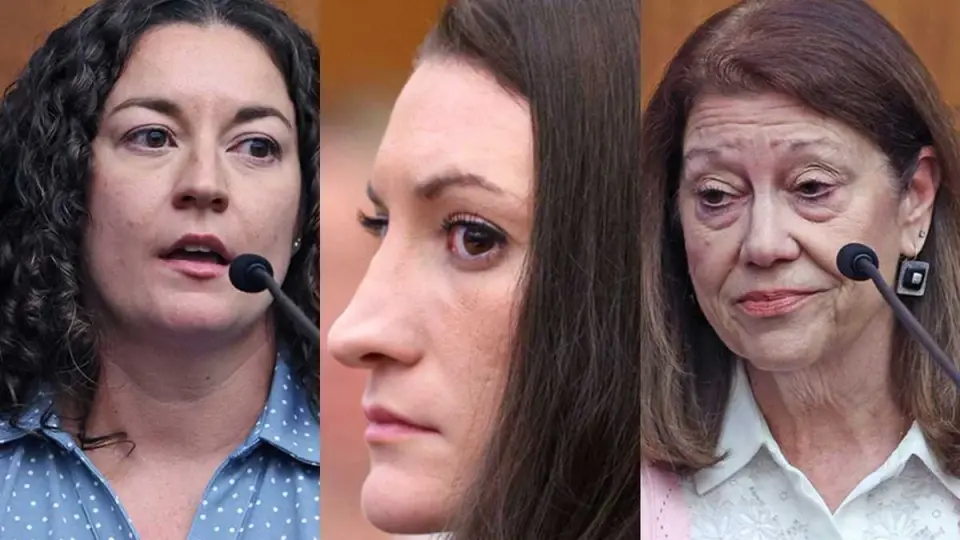
Lindsay Clancy’s defense began its case in the murder trial of the Duxbury mother who killed her three children in January 2023. Her mother, Paula Musgrove, testified that Clancy disclosed thoughts of harming the children in December 2022 but did not seek psychiatric intervention. The defense argues Clancy suffered from postpartum psychosis, while prosecutors maintain the killings were premeditated.
Key points
- Paula Musgrove testified that Lindsay Clancy told her and Patrick Clancy in December 2022 that she had thoughts of harming the children.
- Musgrove stated she did not call 911 or seek psychiatric help for Clancy at that time, believing she was present to ensure safety.
- Clancy’s sister, Allison Ozga, testified that Clancy reported worsening depression, insomnia, and daily suicidal thoughts in December 2022.
- Defense attorney Kevin Reddington called Dr. Michael Vulfovich, who confirmed Clancy’s injuries were consistent with self-injurious behavior but could not gauge intent.
- Prosecutors rested after nearly 70 witnesses, including a digital forensics expert who analyzed Clancy’s phone data.
Background
The trial began on July 20, 2026, in Plymouth County. Lindsay Clancy, 36, faces three murder charges for the strangulation deaths of her children, Cora, Dawson, and Callan. She also jumped from a second-floor window, leaving her partially paralyzed. The defense has argued that Clancy was not criminally responsible due to postpartum psychosis, while prosecutors contend the killings were meticulous and premeditated. Clancy has pleaded not guilty, and the case hinges on her mental health state at the time of the killings.
How outlets are covering it
WCVB and Boston.com both report on the defense’s strategy to highlight Clancy’s mental health struggles. WCVB emphasizes Musgrove’s testimony about Clancy’s disclosure of harmful thoughts and her description of Clancy as a loving mother. Boston.com focuses on Musgrove’s decision not to seek psychiatric help and Ozga’s testimony about Clancy’s suicidal ideation. Both outlets note the prosecution’s reliance on digital forensics and the defense’s use of medical experts to support the psychosis argument. The sources agree that the case is emotionally charged and complex, with evidence that supports both sides.
Why it matters
The trial highlights the legal and medical complexities of postpartum psychosis and its impact on criminal responsibility. The outcome could set precedents for how mental health conditions are evaluated in murder cases. The case also raises questions about the adequacy of psychiatric care and the role of family members in recognizing and responding to mental health crises.
What to watch
The defense will continue its presentation on Tuesday, with mental health experts expected to testify about psychosis. The jury will deliberate after all evidence is presented, and the verdict could result in a life sentence or commitment to a mental health facility if Clancy is found not guilty by reason of insanity.
- Lindsay Clancy 'had thoughts of harming the children,' her mother testifies in murder trial WCVB
- Lindsay Clancy’s mother and sister testify as defense begins its case Boston.com
- Lindsay Clancy’s Mom Takes Stand, as Co-Worker Recalls the Striking Thing Lindsay Once Said About Andrea Yates People.com
- Family says Massachusetts mother who killed children struggled with mental illness Reuters
- Lindsay Clancy's trial highlights gaps in understanding, treating postpartum psychosis NPR
Want the full story? Read the original reporting
Read on WCVB