
Autopsy confirms pulmonary edema in death of autistic 5-year-old Saylor Hayes
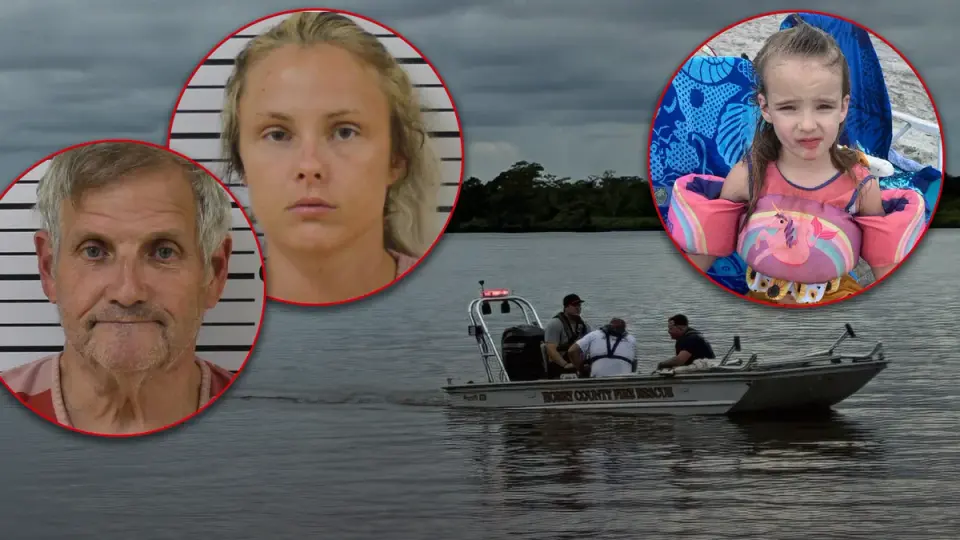
The Georgetown County Coroner’s Office has released preliminary findings for 5-year-old Saylor Hayes, an autistic girl found dead in the Waccamaw River on August 31. The autopsy, conducted at the Medical University of South Carolina, identified pulmonary edema as a key finding, though the official cause and manner of death remain pending further testing. While no external trauma was observed, investigators noted a child’s wrist tether strap on her ankle. Her parents, John and Geordyn Hayes, face charges of placing a child at risk and willfully abandoning a child, with prior abuse history noted by some outlets.
Key points
- Coroner Chase Ridgeway confirmed that Saylor Hayes’ body was found in the Waccamaw River at approximately 9:54 a.m. on August 31.
- The autopsy revealed pulmonary edema, a condition involving fluid buildup in the lungs that restricts airflow, but the final cause of death is not yet determined.
- No external signs of trauma were found during the initial examination, though a child’s wrist tether strap was discovered attached to her ankle.
- The full autopsy report is expected to be released in eight to ten weeks after additional testing is completed.
- Saylor Hayes was reported missing on August 30 from a rented home on Pawleys Island, where she was staying with her family.
Background
Saylor Hayes was a nonverbal, autistic child enrolled in the Project Lifesaver program, which uses radio-frequency transmitters to locate individuals with cognitive conditions who may wander. Her family was staying in a rental home on Pawleys Island, South Carolina, when she went missing. Previous coverage noted that her parents, John Herb Hayes III and Geordyn Nichole Hayes, were arrested in Tennessee and extradited to South Carolina to face charges related to her death. Earlier reports highlighted that the couple had prior child-abuse charges in Virginia, which were resolved, and that investigators alleged they diverted search efforts away from the waterway where Saylor was found.
How outlets are covering it
WYFF focuses on the medical findings from the autopsy, emphasizing the presence of pulmonary edema and the lack of external trauma, while noting the discovery of a tether strap. NBC News highlights the legal and historical context, pointing out that the parents had a history of child abuse charges and drug use prior to the incident. While WYFF reports on the coroner’s timeline for the final report, NBC News underscores the scrutiny on the parents’ background and the charges they face, including placing a child at risk and willfully abandoning a child. Both outlets agree on the basic facts of the discovery and the pending nature of the final cause of death, but they emphasize different aspects of the case: medical evidence versus legal history.
Why it matters
The release of the autopsy report provides critical medical evidence in a case involving the death of a child with special needs. The findings of pulmonary edema and the absence of external trauma may influence the legal proceedings against the parents, who are charged with child endangerment and abandonment. The case also raises questions about the effectiveness of safety measures like the Project Lifesaver program and the responsibilities of caregivers in preventing wandering incidents. The outcome of the final autopsy report could have significant implications for the criminal case and for public understanding of the circumstances surrounding Saylor Hayes’ death.
What to watch
The Georgetown County Coroner’s Office expects to release the full autopsy report in eight to ten weeks after additional testing is completed. The legal proceedings against John and Geordyn Hayes will continue as they face charges in South Carolina. Further investigation may focus on the circumstances surrounding the removal of Saylor’s Project Lifesaver device and the actions of the parents during the search. The final determination of the cause and manner of death will be crucial in resolving the case.
- Autopsy report released for 5-year-old Saylor Hayes after being found dead on Pawleys Island WYFF
- Coroner releases autopsy results from 5-year-old Saylor Hayes, parents extradited to Georgetown County WCBD News 2
- Saylor Hayes honored by South Carolina community 1 week after death NewsNation
- Missing 5-Year-Old Girl Found Dead After Wandering from Rental Home Only Wearing Bathing Suit People.com
- Before 5-year-old’s death, parents had a history of child abuse charges and drugs NBC News
Want the full story? Read the original reporting
Read on WYFF