
Florida officials threaten TV stations with criminal charges over Hope Florida ads
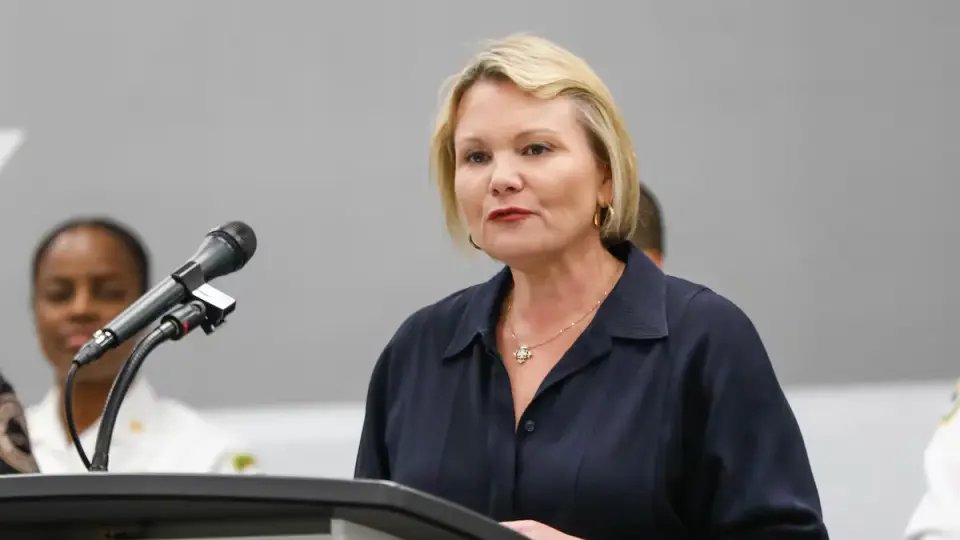
Florida state attorneys warned television stations that airing Democratic campaign ads about the Hope Florida grand jury investigation could result in criminal charges. This action coincided with a Republican Party lawsuit seeking to block the ads. The dispute centers on whether broadcasters can discuss findings from a report that was recently expunged by an appeals court. While Republicans argue the material is confidential, Democrats and press freedom advocates contend the information is already public and protected by the First Amendment.
Key points
- Thirteenth Judicial Circuit State Attorney Suzy Lopez sent letters to stations like WTVT and Spectrum Bay News 9, warning that airing the ads violates grand jury secrecy laws and could lead to criminal contempt.
- The Republican Party of Florida filed a lawsuit on October 19 seeking to block the ads, naming Democratic candidates including gubernatorial nominee David Jolly and attorney general candidate Jose Javier Rodriguez.
- The ads reference a grand jury report that alleged the DeSantis administration misappropriated $10 million from a Medicaid settlement to fund political activities opposing a marijuana legalization ballot initiative.
- A Florida appeals court expunged the grand jury report on October 7, ruling that the panel exceeded its authority by accusing individuals of wrongdoing without sufficient evidence for indictment.
- A judge declined to issue an immediate injunction against the ads on Tuesday, allowing them to continue airing while a hearing is scheduled.
- State Attorney Jack Campbell faces a separate court inquiry regarding his handling of the report, with judges questioning whether he improperly disclosed the document before it was leaked to CBS Miami.
Background
The Hope Florida controversy involves allegations that funds from a Centene Medicaid settlement were routed through a foundation affiliated with First Lady Casey DeSantis to support political committees. A grand jury investigated these claims in late 2025 but found insufficient evidence for criminal charges. The report was leaked to media in August 2026, leading to legal battles over its confidentiality. Recent polling indicates that concerns about government corruption are significant for voters ahead of the November 3 midterm elections.
How outlets are covering it
The Tampa Bay Times and Tallahassee Democrat detail the procedural steps, including the state attorneys' warnings and the court's rejection of an emergency motion to block the ads. MS NOW frames the situation as a 'Trumpian tactic' of threatening prosecution to suppress First Amendment rights, comparing it to other Republican efforts to silence journalists. The Freedom of the Press Foundation argues that the lawsuit is an unconstitutional attempt to censor the press, noting that expungement does not erase the public's right to know information already disclosed. Conversely, the Republican Party and state attorneys maintain that broadcasting the expunged report violates Florida law protecting grand jury proceedings, regardless of prior leaks.
Why it matters
This conflict highlights the tension between political campaign speech and legal confidentiality in high-stakes midterm elections. It tests the limits of First Amendment protections when government officials seek to suppress information they deem damaging. The outcome could set precedents for how political ads can reference sealed or expunged documents and how state authorities can enforce grand jury secrecy laws against media outlets.
What to watch
A hearing is scheduled to determine whether the ads should be permanently blocked. The court will also decide on the show-cause order regarding State Attorney Jack Campbell's handling of the grand jury report. The November 3 election will test whether the Hope Florida scandal and the subsequent legal battles influence voter sentiment regarding corruption and media freedom.
- State attorneys warn TV stations of criminal charges over Hope Florida ads Tampa Bay Times
- Opinion | Florida Republicans want to kill this campaign ad, so they’re threatening to prosecute TV stations MS NOW
- Florida GOP lawsuit to censor TV stations fails Sunshine State — and First Amendment Freedom of the Press Foundation
- Judges confront State Attorney Jack Campbell on Hope Florida leak Tallahassee Democrat
- GOP sues to ban ads tying Uthmeier to Hope Florida scandal, threatens TV stations Orlando Sentinel
Want the full story? Read the original reporting
Read on Tampa Bay Times