
Cincinnati doctor gets 15 years for lying after DNA solves 1989 rape
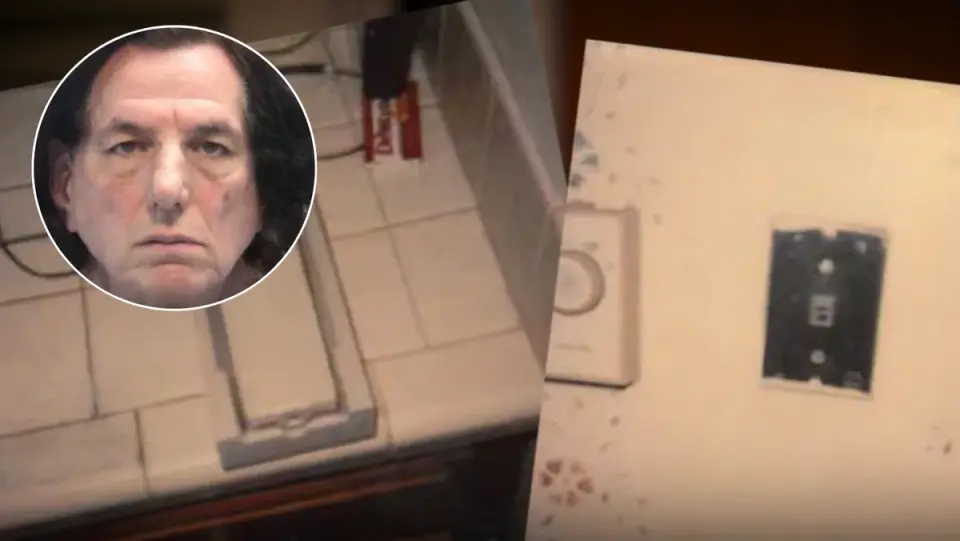
Frederick Tanzer, a former Cincinnati physician, was sentenced to 15 years in prison for lying to federal agents after DNA evidence identified him as the perpetrator of a 1989 rape. Although investigators confirmed his guilt through a discarded coffee cup, prosecutors could not charge him for the assault due to expired state statutes of limitations. The case highlights the legal barriers survivors face when time limits bar prosecution, even when modern forensic technology solves decades-old crimes. Tanzer pleaded guilty to false statements after being tricked into denying the attack, while the victim, Dana Beatty, continues to advocate for eliminating such time limits.
Key points
- Dana Beatty was raped in August 1989 in her Cincinnati condominium by a masked man who held her for five hours.
- In 2023, Beatty's daughter contacted authorities after hearing a podcast about DNA technology, leading to a cold-case review.
- Investigators identified Tanzer as a suspect based on genetic ancestry but needed a direct DNA sample to confirm.
- On April 9, 2024, FBI surveillance specialists retrieved a Starbucks cup marked 'FRED' that Tanzer discarded, confirming his DNA matched the 1989 evidence.
- Ohio's statute of limitations barred prosecution for the rape, so investigators used a ruse to get Tanzer to lie about the crime.
- Tanzer was arrested on December 11, 2024, for making false statements to federal agents and pleaded guilty.
Background
This case follows earlier coverage of Tanzer's sentencing and highlights the broader issue of statutes of limitations in sexual assault cases. It also connects to other recent cases where legal barriers or time limits affected justice, such as the seaside rape case mentioned in the archive. The case underscores the impact of DNA technology on solving cold cases and the ongoing debate about legal time limits for sexual violence.
How outlets are covering it
WLWT focuses on the personal story of Dana Beatty and the specific details of how the case was solved, including the role of her daughter and the discarded coffee cup. NBC News emphasizes the legal and systemic issues, particularly the statute of limitations and the variations across states, while also highlighting the efforts of legal experts and advocates to change the law. Both sources agree on the facts of the case but differ in their emphasis: WLWT on the human impact and NBC News on the legal and policy implications.
Why it matters
This case illustrates the challenges survivors face when statutes of limitations prevent prosecution, even when DNA evidence solves the crime. It highlights the need for legal reforms to ensure justice for sexual assault victims and the importance of modern forensic technology in solving cold cases. The case also underscores the role of community and family in bringing attention to unsolved crimes.
What to watch
Beatty is expected to continue advocating for the elimination of statutes of limitations for sexual assault. The case may also influence legal discussions and policy changes in Ohio and other states regarding time limits for sexual violence. Additionally, the case may lead to further investigations into other potential crimes committed by Tanzer, although no other charges have been filed.
- Daughter’s call, discarded coffee cup help identify man in 35-year-old Cincinnati rape case WLWT
- Police knew who her rapist was. The law kept them from prosecuting him for the attack. NBC News
- Frederick Louis Tanzer: Where is the Convict Now? IMDb
- Tonight’s ‘Dateline’ episode involves former Kansas doctor sentenced in 1989 rape KSN.com
- ‘Dateline - justice for Dana Beatty’: Where to watch (for free) in case you missed it nj.com
Want the full story? Read the original reporting
Read on WLWT