
Parents of San Diego mosque shooter allege mental health facility ignored FBI warning
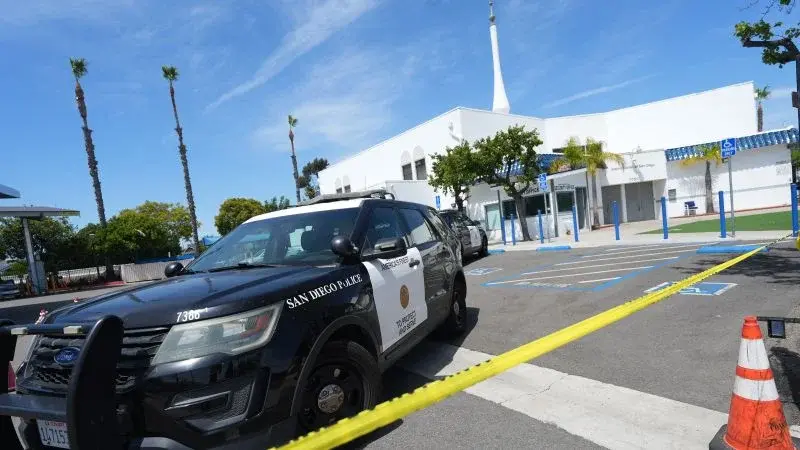
The parents of the individual who carried out the May 2026 attack on the Islamic Center of San Diego have filed a civil lawsuit alleging that a mental health facility failed to act on a specific warning from the FBI. The suit claims that despite receiving a notification regarding the suspect’s potential for violence, the facility did not take adequate steps to ensure public safety or coordinate with law enforcement. This legal action seeks to hold the institution accountable for negligence that allegedly allowed the shooter to remain in the community. The case adds to ongoing scrutiny of how federal and local authorities handle intelligence regarding individuals with mental health issues who pose a threat. It highlights a critical gap in the communication chain between mental health providers and federal agencies. The lawsuit does not seek criminal charges but aims to establish liability for the failure to prevent the tragedy. This development underscores the complex intersection of mental health care and national security. It raises questions about the protocols in place for managing high-risk patients. The parents argue that the facility’s inaction directly contributed to the deaths of the three victims. The case is expected to draw attention to the need for clearer guidelines in such situations. It may also influence future policies regarding the sharing of sensitive information between healthcare and law enforcement. The legal battle will likely involve detailed examinations of the facility’s records and the FBI’s communication logs. This is a significant step in the aftermath of the attack, focusing on prevention rather than just punishment.
Key points
- The parents of the San Diego mosque shooter have filed a civil lawsuit against a mental health facility.
- The lawsuit alleges that the facility ignored a specific warning from the FBI regarding the shooter’s potential for violence.
- The suit claims the facility failed to take adequate steps to ensure public safety or coordinate with law enforcement.
- The case seeks to hold the institution accountable for negligence that allegedly allowed the shooter to remain in the community.
- The lawsuit highlights a critical gap in the communication chain between mental health providers and federal agencies.
- The case is expected to draw attention to the need for clearer guidelines in such situations.
Background
This legal action follows the May 2026 attack on the Islamic Center of San Diego, which resulted in the deaths of three individuals: Amin Abdullah, Mansour Kaziha, and Nadir Awad. The case is part of a broader pattern of scrutiny regarding the handling of threats by federal and local authorities. Previous civil suits have alleged that officials failed to act on early indicators, including prior hospitalizations and gun seizures. The case also connects to the indictment of Sarah Lindsay Santiago, a 17-year-old from North Carolina, who was charged with aiding the shooters. The current lawsuit focuses on the role of mental health facilities in the chain of communication, adding another layer to the ongoing investigation into the failure to prevent the attack.
Why it matters
This case is significant because it highlights the complex intersection of mental health care and national security. It raises questions about the protocols in place for managing high-risk patients and the sharing of sensitive information between healthcare and law enforcement. The lawsuit may influence future policies regarding the handling of threats by federal and local authorities. It also underscores the need for clearer guidelines in such situations, potentially leading to changes in how mental health facilities and law enforcement agencies collaborate. The case is expected to draw attention to the need for improved communication and coordination between these entities, which could have a lasting impact on public safety and the prevention of future attacks.
What to watch
The lawsuit is expected to involve detailed examinations of the facility’s records and the FBI’s communication logs. The case may lead to changes in policies regarding the sharing of sensitive information between healthcare and law enforcement. It could also result in new guidelines for mental health facilities to follow when dealing with high-risk patients. The outcome of the case may have a lasting impact on public safety and the prevention of future attacks. The legal battle will likely be closely watched by the public and policymakers alike, as it has the potential to shape the future of how threats are handled by federal and local authorities.
Want the full story? Read the original reporting
Read on CNN